
Peppermint Shrimp for Sale: Do They Really Eat Aiptasia?

Peppermint Shrimp for Sale: Do They Really Eat Aiptasia?
If you have spent any time in the reef hobby, you have heard the name Aiptasia spoken with something between frustration and dread. These pest anemones are aggressive, fast-spreading, and remarkably resistant to most removal methods. And you have probably also heard that the Peppermint Shrimp is the natural answer. But does it really work? Are Peppermint Shrimp actually reliable Aiptasia eaters or is that reputation more myth than reality? This guide gives you the honest, complete answer along with everything you need to know about keeping these attractive and useful shrimp successfully.
What Is a Peppermint Shrimp?
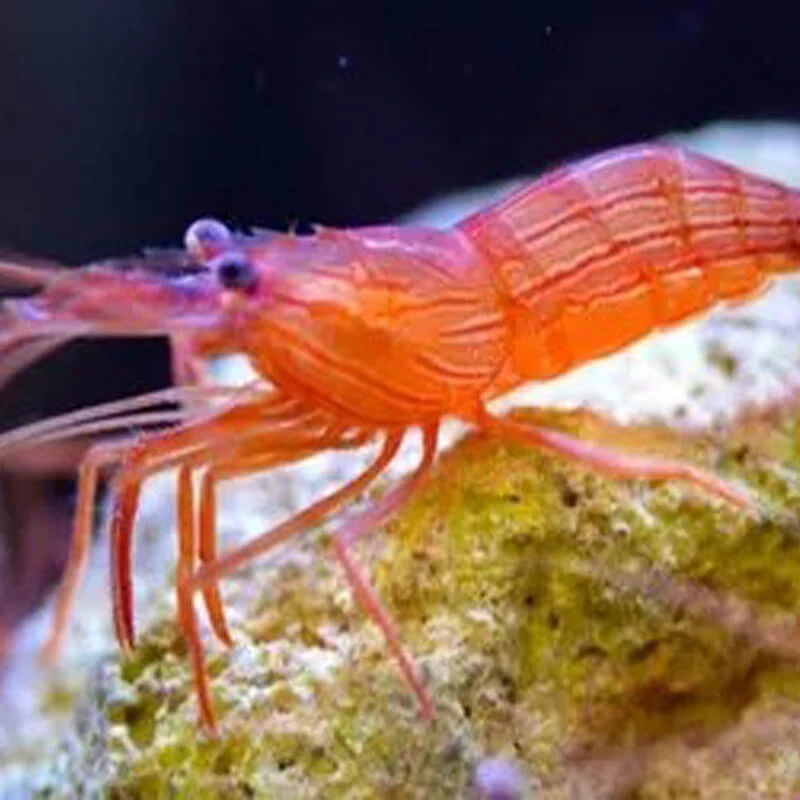
The Peppermint Shrimp, known scientifically as Lysmata wurdemanni, is a small, attractive crustacean native to the Western Atlantic Ocean and Caribbean Sea. It reaches about 2 inches in length and features a translucent to light pink body covered in vivid red stripes that give it the candy cane or peppermint appearance that earned its common name. It is one of the most recognizable shrimp in the marine hobby and has been kept by reef hobbyists for decades.
Do Peppermint Shrimp Really Eat Aiptasia?
The honest answer is yes, with important qualifications.
The Evidence
Peppermint Shrimp are documented Aiptasia predators. They have been observed actively hunting and consuming Aiptasia polyps in both home aquaria and controlled research settings. Many reef hobbyists have used them successfully to significantly reduce or eliminate Aiptasia infestations without chemical treatment or manual removal.
Why Results Vary Between Hobbyists
Individual Peppermint Shrimp vary in their enthusiasm for Aiptasia hunting. Some individuals attack Aiptasia aggressively from the moment they are introduced. Others ignore the pest completely and focus on scavenging detritus instead. This individual variation is the main reason some hobbyists report great success while others see no Aiptasia reduction at all.
What Influences Aiptasia Eating Behavior
Hunger level plays a significant role. A well-fed Peppermint Shrimp has less motivation to hunt Aiptasia. Keeping the shrimp slightly hungry by reducing supplemental feeding encourages more active pest hunting. Tank size matters too. In smaller, more contained spaces the shrimp encounters Aiptasia more regularly and hunts more reliably.
Species Identification Warning
This is critical. Lysmata wurdemanni is the Aiptasia-eating species. Several similar-looking shrimp species, including Lysmata boggessi and some imported look-alikes, are commonly mislabeled as Peppermint Shrimp but do not eat Aiptasia at all. Buying from a reputable seller who accurately identifies their livestock is essential for getting the right species.
Peppermint Shrimp Pricing at Dr. Reef’s
At Dr. Reef’s Quarantined Fish, Peppermint Shrimp are rated 5 stars by verified buyers and priced at $16.99 Dr.Reef’s Quarantined fish. That 5-star rating from real hobbyists reflects both the quality of the specimens and the effectiveness of Dr. Reef’s quarantine process. Every Peppermint Shrimp from Dr. Reef’s is correctly identified, professionally quarantined, and health-screened before shipping. That accuracy and quality control is exactly what separates a successful Aiptasia treatment from a disappointing one.
Other Benefits of Peppermint Shrimp Beyond Aiptasia Control
Active Scavengers
Peppermint Shrimp are excellent scavengers that clean up uneaten food, detritus, and organic waste from the sand bed and rock surfaces. They contribute meaningfully to overall tank cleanliness beyond their pest-control role.
Peaceful Community Members
Peppermint Shrimp are non-aggressive toward fish and other invertebrates. They are compatible with the vast majority of community reef fish and other cleaning crew members.
Interesting Behavior
These shrimp are more active than many other reef shrimp species. They move around the tank confidently, often emerging during the day to scavenge, which makes them more visible and entertaining than shy species that hide constantly.
They Are Protandric Hermaphrodites
Like many Lysmata shrimp species, Peppermint Shrimp function as simultaneous hermaphrodites. Every individual can produce eggs, and mating pairs breed readily in reef tanks. Finding egg-laden females in your tank is a common and exciting sign that your Peppermint Shrimp are thriving.
Tank Requirements
Tank Size
Peppermint Shrimp adapts to tanks as small as 10 gallons. They are small, low-bioload animals that fit comfortably in nano reef systems as well as large display tanks.
Water Parameters
Standard reef parameters apply. Temperature between 72 and 78 degrees Fahrenheit. Salinity at 1.023 to 1.025. Stable water chemistry without sudden salinity or temperature swings keeps these shrimp healthy and active.
Shrimp are more sensitive to salinity and temperature swings during acclimation than most fish. Use a slow drip acclimation over 45 to 60 minutes when introducing Peppermint Shrimp to your tank.
Provide rockwork with crevices and overhangs where the shrimp can shelter during molting, which is when they are most vulnerable. A Peppermint Shrimp that has just molted is soft and defenseless until its new exoskeleton hardens.
Are Peppermint Shrimp Reef Safe?
Generally yes. They do not bother corals and are considered reef safe by most experienced hobbyists. Occasional reports of individual shrimp nipping at open-polyp corals like hammer or torch exist, but these are the exception rather than the rule. Monitor newly introduced shrimp around your most valued corals for the first few days after introduction.
How Many Peppermint Shrimp Do You Need for Aiptasia Control?
For light Aiptasia outbreaks, two to three shrimp in a standard reef tank often solve the problem within a few weeks. For heavier infestations, five or more shrimp working together produces faster and more consistent results. At $16.99 each from Dr. Reef’s, stocking enough shrimp to make a real impact is genuinely affordable.
Quick Q and A
Q: Why did my Peppermint Shrimp not eat any Aiptasia?
A: Individual variation is the most common reason. Try reducing supplemental feeding to increase hunting motivation. Adding more shrimp also improves collective Aiptasia control significantly.
Q: How long does it take for Peppermint Shrimp to eliminate Aiptasia?
A: Results vary by infestation size and shrimp motivation. Many hobbyists see significant reduction within two to four weeks with three or more active specimens.
Q: Can I keep Peppermint Shrimp with a Wrasse?
A: Many wrasse species will eat small shrimp. Research your specific wrasse species before adding Peppermint Shrimp. Six Line Wrasse and similar species are known shrimp predators.
Q: How do I know I am getting real Lysmata wurdemanni and not a look-alike?
A: Buy from a reputable seller like Dr. Reef’s Quarantined Fish where livestock is accurately identified and professionally quarantined. Their 5-star verified buyer rating reflects that accuracy.
Q: How much does Peppermint Shrimp cost at Dr. Reef’s?
A: Peppermint Shrimp are priced at $16.99 each at Dr.Reef’s Quarantined fish with a 5-star verified buyer rating and full professional quarantine included.
Q: Will Peppermint Shrimp breed in my reef tank?
A: Yes. They breed readily in established reef tanks with stable parameters. Egg-carrying females are common and the larvae, while difficult to raise, demonstrate that your shrimp are thriving.
Key Takeaways on Peppermint Shrimp
The Peppermint Shrimp is not a guaranteed Aiptasia solution but it is one of the most reliable, natural, and affordable biological tools available for controlling this frustrating pest. At $16.99 each and rated 5 stars from Dr. Reef’s Quarantined Fish, you are getting correctly identified, professionally quarantined specimens from a seller whose customers consistently report excellent results. Add three or more to your tank, reduce their supplemental feeding slightly, and watch them go to work. Visit Dr. Reef’s Quarantined Fish today and fight back against Aiptasia the natural way.