
Yellow Tang for Sale Near Me: Availability, Pricing and Tank Setup

Yellow Tang for Sale Near Me: Availability, Pricing and Tank Setup
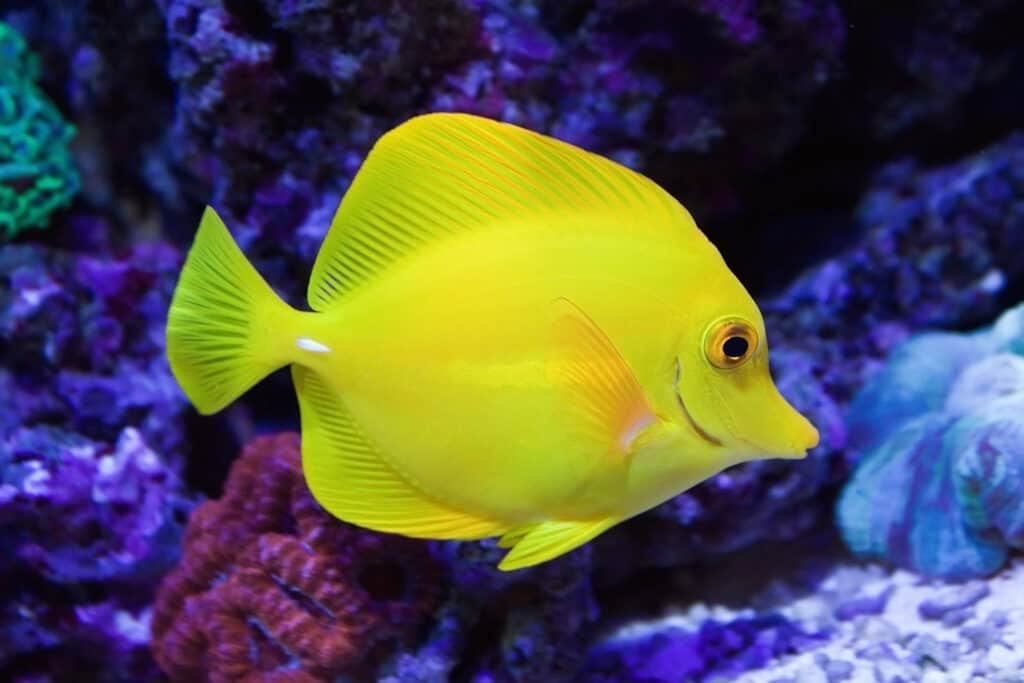
If there is one fish that defined the saltwater hobby for an entire generation of reef keepers, it is the Yellow Tang. Vivid solid yellow from nose to tail, constantly active, reef safe, and one of the best natural algae controllers available in any tank. For years it was also one of the most affordable and widely available marine fish anywhere. Things have changed. Finding a quality Yellow Tang near you in 2026 is harder than it used to be, and the prices reflect that. This guide covers availability, current pricing, tank setup, and where to actually find one today.
What Is the Yellow Tang?
The Yellow Tang, scientifically known as Zebrasoma flavescens, is a surgeonfish native to the Pacific Ocean, most famously associated with the shallow reefs surrounding the Hawaiian Islands. It grows to about 7 to 8 inches as an adult and is instantly recognizable by its brilliant solid yellow coloring. It has a white spine near the tail base, as all surgeonfish do, and uses it defensively when threatened.
Why Is the Yellow Tang So Popular?
It Is Genuinely Reef Safe
The Yellow Tang ignores corals completely. It grazes on algae growing on rocks and glass without ever nipping at coral tissue. This makes it one of the safest and most practical additions to an active reef system.
It Controls Nuisance Algae Naturally
Yellow Tangs graze constantly throughout the day. Hair algae, film algae, and various nuisance algae growth get eaten steadily by an active Yellow Tang. Many reef keepers add one specifically to manage algae in areas that are hard to manually clean.
It Is Hardy for a Marine Fish
Yellow Tangs handle the normal fluctuations of a well-maintained reef tank better than many marine fish. They are not bulletproof, but they are forgiving enough for intermediate hobbyists to keep successfully without perfect water parameters every single day.
It Has a Big Personality
Yellow Tangs are active, curious, and visible. They cruise every part of the tank throughout the day, which keeps the display looking alive and dynamic at all times.
Why Is the Yellow Tang Harder to Find Now?
For decades, the Yellow Tang trade relied almost entirely on wild collection from Hawaiian reefs. In 2020 and the years following, commercial aquarium collection from Hawaii was banned, dramatically cutting off the primary supply source for the hobby. That supply disruption created the price and availability situation hobbyists face today.
Captive Bred Yellow Tangs Are Now Available
The good news is that captive breeding programs for Yellow Tangs have made enormous progress. Captive bred specimens are now available through select specialized sellers, including Dr. Reef’s Quarantined Fish.
Yellow Tang Pricing at Dr. Reef’s
Rated 5 stars by verified buyers and priced at $199.99 to $298.99. This is the future of Yellow Tang keeping in the hobby. Captive bred specimens are already adapted to aquarium life, accept prepared foods confidently, and carry a dramatically lower disease risk than wild-caught alternatives. The price reflects the significant investment required to breed this species in captivity and the premium quality of the animal you receive.
Currently listed at $499.99, though noted as sold out at time of writing. The Hawaiian Yellow Tang represents the original wild-caught specimen from its native reef habitat. When available, it is priced to reflect its rarity and the limited legal supply channels that remain. Check Dr. Reef’s regularly for restocks.
Rated 5 stars and priced at $149.99 to $172.99. If you love tangs and want a slightly more budget-friendly option with outstanding algae-grazing ability and beautiful spotted patterning, the Kole Tang is a fantastic alternative worth serious consideration.
Tank Setup for Yellow Tangs
Minimum Tank Size
A minimum of 75 gallons for a single Yellow Tang. These are active open-water swimmers that need room to cruise. Smaller tanks cause stress, which suppresses immunity and leads to disease outbreaks.
Recommended Tank Size
100 gallons or more is ideal. In larger systems the Yellow Tang expresses its full range of natural behavior and remains healthier long-term.
Water Flow
Strong, random water flow mimics the surge of their natural reef environment. Multiple powerheads creating turbulent, non-linear flow keeps Yellow Tangs active and healthy.
Aquascape
Open swimming lanes are essential. Provide substantial rockwork for shelter and grazing surfaces but leave plenty of open water for the tang to patrol. Tangs spend most of their time in open water, not hiding in rockwork.
Diet and Feeding
Primary Foods
Nori seaweed clipped to the glass or a feeding clip is the most important food you can offer. Provide it daily and allow constant access. Yellow Tangs graze throughout the day and need consistent access to plant-based foods to stay healthy.
Spirulina-enriched flake or pellet foods, frozen mysis shrimp as an occasional protein supplement, and natural algae growth in the tank round out a complete diet. A Yellow Tang that grazes on nori all day and gets frozen mysis a few times per week will maintain outstanding color and health.
Vitamin Supplementation
Many experienced hobbyists soak nori or frozen foods in a liquid vitamin supplement before feeding. This practice helps prevent HLLE, a condition where Yellow Tangs develop pitting and discoloration around the face and lateral line from nutritional deficiency.
Compatible Tankmates
Yellow Tangs are peaceful toward most reef fish but territorial toward other Zebrasoma tang species. Introduce Yellow Tangs at the same time as other tangs when possible, or rearrange the rockwork before adding a new tang to break up existing territories. They get along beautifully with clownfish, gobies, blennies, basslets, and most other community reef species.
Quick Q and A
Q: Why is the captive bred Yellow Tang more expensive than the wild-caught price used to be?
A: Breeding Yellow Tangs in captivity is technically complex and resource-intensive. The $199.99 to $298.99 price reflects that investment and the superior health and adaptability of the resulting fish.
Q: Is the captive bred Yellow Tang as good as a wild-caught Hawaiian Tang?
A: In most practical ways it is better. Captive bred fish are already adapted to tank foods, carry lower disease risk, and have never experienced the stress of collection and shipping from the wild.
Q: Can I keep a Yellow Tang with a Blue Tang?
A: Yes, in tanks of 100 gallons or more. Different body shapes and territory patterns mean Blue and Yellow Tangs usually coexist well with proper introduction.
Q: What is HLLE and how do I prevent it?
A: Head and Lateral Line Erosion is a nutritional deficiency condition that causes pitting and discoloration on Yellow Tangs. Prevent it with a varied plant-rich diet, vitamin supplementation, and activated carbon removal from the water column.
Q: Why is the Hawaiian Yellow Tang listed as sold out at Dr. Reef’s?
A: Hawaiian wild collection supply is extremely limited. Stock sells out quickly when it becomes available. Check Dr. Reef’s Quarantined Fish regularly and act fast when it restocks.
Q: Is the Yellow Eye Kole Tang a good substitute for a Yellow Tang?
A: Absolutely. The Kole Tang at $149.99 to $172.99 from Dr. Reef’s is a 5-star rated algae grazer with beautiful spotted patterning that performs many of the same reef functions as a Yellow Tang at a more accessible price.
A Quick Guide to Better Fish Care
The Yellow Tang remains one of the most beloved fish in the saltwater hobby for every good reason. In 2026 it costs more and requires more planning to find than it used to, but the captive bred option at Dr. Reef’s Quarantined Fish makes the experience better than ever before. A 5-star rated, professionally quarantined, captive bred Yellow Tang at $199.99 to $298.99 from Dr. Reef’s is the smartest Yellow Tang purchase available in the hobby today. Visit Dr. Reef’s Quarantined Fish and check current availability before stock sells out again.