
Juvenile Emperor Angelfish

Juvenile Emperor Angelfish: Growth, Diet, and Care Tips
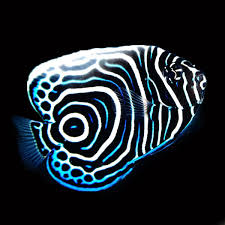
There are few fish in the saltwater hobby that generate as much excitement and admiration as the Juvenile Emperor Angelfish (Pomacanthus imperator). Dressed in tightly packed concentric rings of electric blue and crisp white against a deep navy background, juveniles are among the most visually striking fish available at any price point in the marine hobby. As they grow and mature, they transform into the equally spectacular adult pattern of vivid horizontal yellow and blue stripes, making this species a genuinely breathtaking long-term investment for dedicated hobbyists.
What Is the Emperor Angelfish?
The Emperor Angelfish is found throughout the Indo-Pacific, ranging from the Red Sea and East Africa across to Hawaii and the Tuamotu Archipelago. In the wild it inhabits reef slopes, lagoons, and outer reef faces at depths ranging from 1 to over 100 meters, where it grazes extensively on sponges, tunicates, and algae. Wild individuals can reach 15 inches in length. In captivity a well-cared-for specimen regularly achieves 12 to 15 inches and can live well over a decade under optimal conditions, making this one of the most rewarding long-term additions available in the hobby.
Understanding the Color Transformation
The transformation from juvenile to adult coloration is one of the most fascinating and visually documented processes in the marine hobby. The vivid juvenile pattern of white and blue concentric rings is thought to serve as a signal to adult territory holders that the juvenile is not yet a reproductive competitor, which allows juveniles to occupy the same reef areas as adults without conflict.
The transformation typically begins when the fish reaches 3 to 4 inches in length, producing a striking intermediate pattern where elements of both the juvenile and adult coloration blend together simultaneously. Full adult coloration is usually established by the time the fish reaches approximately 6 inches, which generally takes 12 to 18 months under excellent nutrition and stable water conditions. The rate and quality of the transformation are directly influenced by diet, water quality, and stress levels.
Tank Requirements
A minimum of 180 gallons is required for a single adult Emperor Angelfish, and larger tanks of 220 gallons or more are strongly preferred. Juveniles can be housed temporarily in systems of 75 gallons or more, but planning for their adult size from the very beginning prevents the need for disruptive tank upgrades later. The tank should include generous quantities of live rock for grazing, shelter, and territory establishment, combined with strong, consistent water circulation and reliable, high-capacity filtration.
Emperor Angelfish are not reef safe. They are well-documented nippers of soft corals, large-polyp stony corals, zoanthids, and clam mantles. They are best suited to fish-only with live rock setups where their bold personality, striking coloration, and impressive size can be fully appreciated without the risk of coral damage. Attempting to keep an Emperor Angelfish in a mixed reef often results in expensive coral losses.
Diet and Feeding
Nutrition is the single most important variable determining the long-term health, coloration, and successful completion of the color transformation in this species. Offer a genuinely varied diet that includes frozen angelfish formula foods containing sponge material, frozen mysis shrimp, Nori seaweed sheets, spirulina-enriched frozen foods, and high-quality marine pellets formulated for large angelfish.
As Dr. Reef emphasizes, sponge-based foods are particularly critical for this species because sponges make up a substantial portion of the Emperor Angelfish’s natural diet in the wild. Consistently providing sponge-enriched nutrition helps maintain the brilliant coloration of the adult pattern and supports robust immune function over the long term.
Always quarantine new Emperor Angelfish for a minimum of four weeks before introducing them to a display tank. At Dr. Reef’s Quarantined Fish, every fish goes through a comprehensive quarantine process to ensure you are starting with the healthiest and best-conditioned specimen possible.