
Clown Triggerfish

Common Mistakes When Keeping Clown Triggerfish and How to Avoid Them
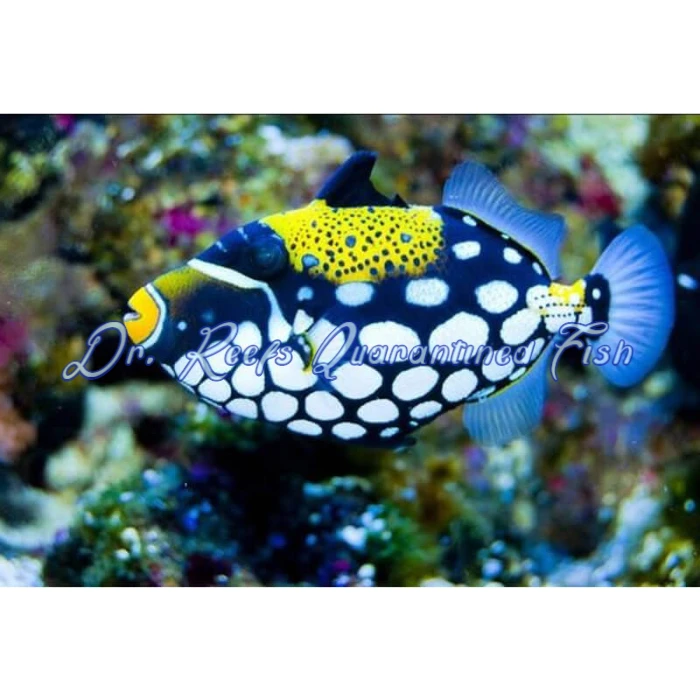
The Clown Triggerfish (Balistoides conspicillum) is one of the most visually dramatic fish available in the entire saltwater hobby. Bold white spots arranged on a jet-black lower body, a vivid yellow mask across the face, and a bright orange mouth edged in white make it instantly recognizable and deeply coveted. However, this fish also comes with a formidable reputation, and the number of hobbyists who have encountered serious problems with it far outnumbers those who prepared properly before purchase. Understanding the most common mistakes made with this species is the first step toward keeping one successfully.
Mistake 1: Choosing a Tank That Is Too Small
This is the single most frequent error made with Clown Triggerfish, and it sets off a cascade of problems. Juveniles look entirely manageable at 2 to 3 inches, but this species can reach 12 to 15 inches in captivity and grows steadily under good conditions. A minimum of 180 gallons is required for a single adult, and many experienced keepers recommend 250 gallons or more. A cramped Clown Triggerfish becomes chronically stressed, significantly more aggressive, and far more destructive to equipment and tankmates alike. Plan for the adult size from day one and do not let the small juvenile price point lure you into an undersized setup.
Mistake 2: Choosing the Wrong Tankmates
The Clown Triggerfish is a predatory, territorial species that views most smaller tank residents as either a threat or a meal. Small, peaceful fish are not appropriate companions. Reliable tankmates include large groupers, sizable marine angelfish, porcupine puffers, and other large, robust species with assertive personalities of their own. Avoid housing with small gobies, dartfish, dragonets, wrasses under 5 inches, or any crustaceans including shrimp and crabs, which will simply be eaten. Even seemingly compatible species can become targets as the triggerfish matures and becomes more confident in its territory.
Mistake 3: Underestimating Their Biting Behavior
Clown Triggerfish have powerful fused teeth built for crushing hard-shelled prey including sea urchins and mollusks. These same teeth will be applied to heater cables, silicone seams, powerhead intakes, and any equipment or decoration the fish finds interesting or annoying. Many keepers return home to find damaged wiring, destroyed ornaments, and equipment that needs replacing. Use thick protective covers on all heaters, secure powerheads firmly and out of easy reach, and go into this hobby knowing that the fish will redecorate your tank according to its own preferences.
Mistake 4: Feeding a Limited or Insufficient Diet
Nutritional deficiencies develop surprisingly quickly when Clown Triggerfish are fed only one or two food types repeatedly. A varied, protein-rich, meaty diet is essential for long-term health and behavioral stability. Rotate between frozen krill, squid, clam meat, large shrimp, and high-quality marine pellets. Offering whole shellfish such as clams on the half shell or market-fresh shrimp with the shell on gives the fish a natural feeding challenge and helps keep the teeth properly worn down, which is important for preventing dental overgrowth over time.
Mistake 5: Skipping Quarantine
Despite their reputation for hardiness, Clown Triggerfish are fully capable of introducing marine ich, velvet, and bacterial infections to a display tank if they are not quarantined properly. Skipping quarantine is a gamble that often results in treating an entire established system rather than a single fish in an isolated tank. Always quarantine new arrivals for a minimum of four weeks and observe carefully for any signs of disease or parasites before introduction to your main tank.
Mistake 6: Ignoring Signs of Stress
A Clown Triggerfish that is pacing the glass repeatedly, hiding unusually, or showing faded coloration is communicating that something in its environment is wrong. Common stressors include inadequate tank size, poor water quality, insufficient feeding, or incompatible tankmates. Addressing these signs early prevents them from developing into full health crises.
At Dr. Reef’s Quarantined Fish, every fish goes through a comprehensive quarantine and conditioning process before it ever reaches your system, giving you the healthiest and most stable possible start with this demanding and spectacular species.