
Captive Bred Flame Angelfish

Captive Bred Flame Angelfish: Benefits and Care Tips
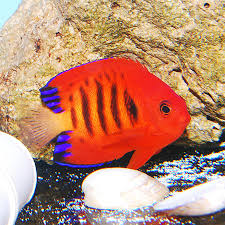
The Flame Angelfish (Centropyge loricula) is one of the most popular dwarf angelfish in the saltwater hobby and for good reason. Its intense fiery red-orange body marked with bold vertical black bars is instantly eye-catching, and its manageable size and relatively hardy nature make it accessible to intermediate marine aquarists. When you have the option to choose a captive bred Flame Angelfish over a wild-caught specimen, there are compelling reasons to do so. Here is a complete look at those benefits and how to care for this stunning species.
What Makes Captive Bred Flame Angelfish Different?
Captive bred Flame Angelfish are raised in controlled aquaculture facilities from the egg stage through to juvenile and adult life. Successful captive breeding of Centropyge loricula is a significant achievement. Atoll Farm Aquaculture in Thailand has been among the pioneers in producing captive bred specimens of this species for the hobby.
The key advantages of a captive bred specimen include:
Disease resistance and hardiness. Fish raised in aquaculture facilities from birth have never been exposed to the stress of wild collection, shipping from remote reefs or holding at multiple facilities before reaching you. This dramatically reduces the likelihood of parasite loads and stress-related health crashes that can occur with wild-caught individuals.
Acceptance of prepared foods. Captive bred Flame Angelfish are conditioned to eat aquarium foods from the start of their lives. Wild-caught specimens sometimes take time to transition from their natural diet of reef algae, small invertebrates and zooplankton to pellets, frozen foods and flakes. A captive bred fish requires no such transition period.
Sustainability. Choosing captive bred livestock reduces pressure on wild reef populations. While the Flame Angelfish is not currently considered endangered, supporting aquaculture practices is beneficial for the long-term health of reef ecosystems and the hobby as a whole.
Acclimation. Captive bred fish have spent their entire lives in aquarium conditions, so they adapt to a new display tank with significantly less stress than their wild-caught counterparts.
Tank Setup and Care Tips
The Flame Angelfish reaches approximately 4 inches in adult length and requires a minimum tank of 50 to 70 gallons with plenty of live rock. Live rock is essential as it provides natural grazing surfaces, hiding spots and the microorganism growth that these fish feed on throughout the day. They prefer the lower to mid areas of the tank and appreciate caves and crevices to retreat into when they feel threatened.
Water parameters should be stable at 72 to 78°F, pH 8.1 to 8.4, and specific gravity 1.020 to 1.025. Moderate water movement suits them well. A secure lid is recommended as with most active reef fish.
Diet
Flame Angelfish are omnivores that graze continuously throughout the day. Offer marine algae sheets or nori, spirulina-based foods, mysis shrimp, vitamin-enriched brine shrimp, high-quality marine pellets and angelfish formulas that include sponge material. The sponge content is particularly beneficial for long-term health and color maintenance. Feed multiple small portions daily rather than one large feeding.
Compatibility and Reef Safety
Flame Angelfish are semi-aggressive primarily toward other dwarf angelfish species. Keep only one per system unless you are maintaining a confirmed male-female pair in a larger tank of 90 gallons or more. They are generally peaceful with tangs, clownfish, wrasses and gobies.
Reef safety is described as reef safe with caution. Many individuals never touch coral at all, while others may develop a habit of nipping at LPS polyps, zoanthids or clam mantles particularly if underfed. Keeping them well fed and ensuring abundant natural algae growth in the tank greatly reduces this risk.
When sourcing a Flame Angelfish, Dr. Reef’s Quarantined Fish carries this species and ensures every specimen completes an extended quarantine of four to six weeks, eliminating common parasites and confirming the fish is eating a variety of prepared foods before it reaches your display tank.