
Buy Mantis Shrimp: Things to Consider Before Purchasing

Buy Mantis Shrimp: Things to Consider Before Purchasing
The mantis shrimp is one of the most fascinating marine invertebrates available in the saltwater hobby. Intelligent, colorful and equipped with one of the most powerful strikes in the animal kingdom, these creatures are captivating to observe and rewarding to keep for the right hobbyist. But buying a mantis shrimp is not a casual decision. Here are the key things every prospective owner should know before making a purchase.
Understand What a Mantis Shrimp Actually Is
Mantis shrimp are not true shrimp at all. They belong to the order Stomatopoda and are a distinct group of crustaceans that have existed for over 340 million years. There are approximately 450 known species. In the aquarium hobby they are generally divided into two categories: smashers and spearers.
Smashers have club-like raptorial appendages that they use to pulverize hard-shelled prey like crabs and snails. Spearers have barbed appendages used to stab soft-bodied prey like fish. For most beginners smasher species are considered the more manageable and observable choice as they tend to leave their burrows to hunt and can often be trained to accept frozen food.
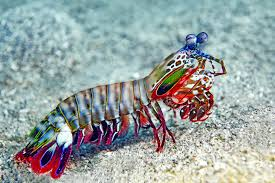
The most commonly kept species is the Peacock Mantis Shrimp (Odontodactylus scyllarus) known for its vivid coloration in blues, greens, oranges and reds. It reaches 4 to 7 inches and requires a tank of at least 30 to 50 gallons.
A Dedicated Species-Only Tank Is Required
This is not negotiable. Mantis shrimp are predators and will attack and consume virtually any tankmate including fish, shrimp, crabs and snails. They should always be kept in a species-only system. Attempting to house them in a community or reef tank will result in losses.
The tank should include a fine sand or gravel substrate at least 2 to 3 inches deep for burrowing. Live rock and PVC pipe sections make excellent burrow structures. Peacock mantis shrimp in particular construct U-shaped burrows and seal the entrances during molting which is a critical life stage. A tightly fitting lid is important as mantis shrimp can escape. All currently available mantis shrimp in the hobby are wild-caught so proper acclimation and stable water parameters from day one are essential.
The Glass Tank Question
A common concern for new buyers is whether a mantis shrimp will break aquarium glass. The risk is real but is often overstated. Smaller species and spearers pose minimal risk. Large smasher species in thin-walled glass tanks could potentially chip the glass at the seams during feeding. Using acrylic or thick-glass tanks for larger species is a sensible precaution. A tank of at least 30 gallons with quality construction is recommended.
Diet and Feeding
Mantis shrimp are carnivores that accept a range of frozen and live foods. Smashers enjoy clams in the shell, mussels, prawns, crab and frozen shrimp. Spearers prefer soft foods like fish and squid. Feed every other day or two to three times per week. Watching a mantis shrimp hunt and process food is genuinely one of the most entertaining experiences in the hobby.
Handling and Safety
Never handle a mantis shrimp directly. Their strike is powerful enough to cause a serious laceration or even a fracture. Always use tongs or gloves during tank maintenance and never place bare hands near the animal. Their strike velocity is among the fastest movements of any living creature and they will defend their territory aggressively.
Intelligence and Longevity
Mantis shrimp are remarkably intelligent invertebrates. They recognize their owners, learn feeding routines and actively problem-solve when building and defending their burrows. With proper care peacock mantis shrimp can live up to 10 years in captivity. They are hardy and not particularly sensitive to water fluctuations compared to some other invertebrates but maintaining consistent salinity around 1.025 and stable parameters will support long-term health.
If you are committed to giving a mantis shrimp the dedicated setup it needs, Dr. Reef’s Quarantined Fish is a trusted source for healthy aquarium livestock with a commitment to proper quarantine practices that give every animal the best possible start.