
Vlamingii Tang Growth and Care: What You Need to Know

Vlamingii Tang Growth and Care: What You Need to Know
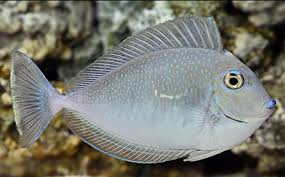
The Vlamingii Tang (Naso vlamingii) is one of the most impressive tangs available in the saltwater aquarium hobby. Known by several names including Bignose Unicornfish, Scribbled Unicornfish and Vlaming’s Unicornfish, this species commands attention in any large reef system. But before purchasing one it is important to understand just how large this fish gets and what it truly requires to thrive.
Natural Habitat and Appearance
The Vlamingii Tang is native to the Indo-Pacific region including the Red Sea, East Africa, Indonesia and beyond. In the wild it inhabits coral-rich reef slopes and lagoons where it grazes on algae and swims actively throughout the day. It is a continuous feeder by nature, which means access to a steady supply of plant-based foods is essential in captivity.
As juveniles Vlamingii Tangs are a silver-gray with scattered blue speckles across the body. As they mature the coloration transforms dramatically. Adults develop a dark gray to blue-gray body with vivid electric blue edging on the fins, striking blue and orange markings around the face and eyes and in males a pair of elongated tail streamers. The forehead also develops a characteristic rounded bump in adults giving the fish its distinctive unicornfish profile. The transformation from a juvenile to a fully colored adult is one of the most dramatic in the tang family.
Growth Rate and Size
This is the single most important factor potential owners must understand. The Vlamingii Tang is a very fast growing species that reaches its adult size within roughly the first five years of its life. Juveniles start at around 4 to 6 inches and grow at approximately 4 to 5 inches per year under good conditions. Adult specimens in the wild can reach up to 24 inches and aquarium-kept adults typically reach 15 to 18 inches.
This growth rate means you cannot simply plan to upgrade the tank later. The fish needs the right sized system from the start or very soon after purchase. Many experienced aquarists recommend starting with a tank that can house the adult fish from day one rather than moving the fish repeatedly as it outgrows successive setups.
Tank Requirements
A minimum of 360 gallons with a tank length of at least 6 feet is required to house an adult Vlamingii Tang properly. The aquarium should include open swimming space above the rockwork since this species spends most of its time in the upper water column. Some rock formations and crevices should be present for occasional shelter but excessive aquascaping that reduces swimming space will cause stress. Strong water flow and high oxygen levels are important as this fish comes from surge-prone reef environments. Standard reef water parameters apply: temperature 74 to 80°F, pH 8.1 to 8.4, salinity 1.023 to 1.025.
Diet and Health
The Vlamingii Tang is primarily herbivorous. A diet rich in marine algae and seaweed is essential for maintaining vibrant coloration, strong immunity and a calm temperament. Offer nori sheets on a clip at least three times per week alongside spirulina-based pellets, herbivore frozen foods and marine flakes. This species will also consume meaty foods offered to other tank residents but plant matter should form the majority of its diet. A deficiency in vegetable-based nutrition is one of the leading causes of head and lateral line erosion (HLLE) in tangs so a consistent algae supply is non-negotiable.
Compatibility
Vlamingii Tangs are generally peaceful toward fish of other species but can be territorial toward other tangs particularly in smaller systems. In very large aquariums they can often coexist with other Naso tangs when introduced simultaneously. Add the Vlamingii Tang before more aggressive tang species to reduce conflict. It is reef safe and will not harm corals or sessile invertebrates.
If you are looking to source a healthy quarantined Vlamingii Tang, Dr. Reef’s Quarantined Fish carries this species and ensures each fish is parasite-free and already conditioned to prepared foods before it reaches your tank. A quarantined specimen settles significantly faster and is far more likely to begin eating immediately upon introduction to the display tank.