
Cat Shark for Sale

Cat Shark for Sale – A Fascinating Bottom-Dwelling Predator for Large Dedicated Marine Tanks
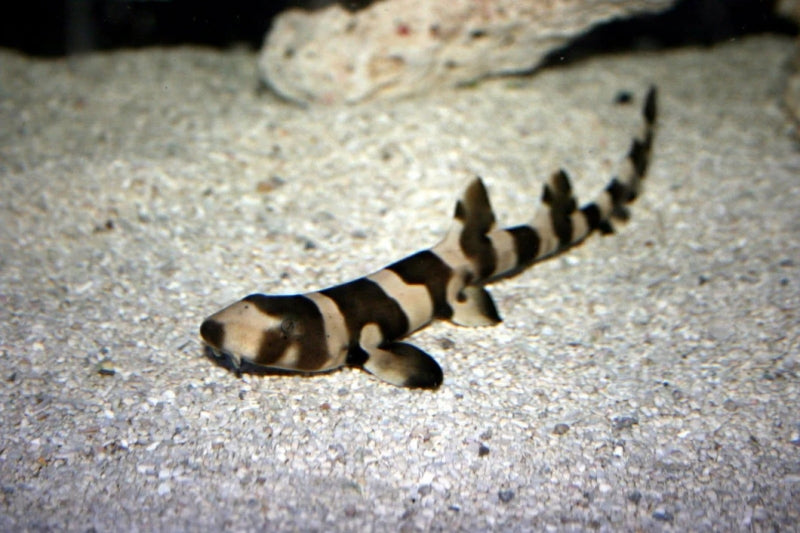
The Cat Shark is one of the most unique and exciting fish you can keep in a home marine aquarium. With its elongated body, distinctive patterning, and slow deliberate movements along the tank floor, it brings a completely different energy to a large marine setup. It is not a community reef fish. It is a dedicated predator that demands serious commitment, proper planning, and a tank built specifically around its needs.
If you have been searching for a Cat Shark for sale, this guide covers everything you need to know before bringing one home.
What Is a Cat Shark?
Cat Sharks belong to the family Scyliorhinidae, one of the largest shark families in the world. The species most commonly kept in home aquariums include the Coral Cat Shark (Atelomycterus marmoratus), the Banded Cat Shark (Chiloscyllium punctatum), and the California Horn Shark (Heterodontus francisci).
These are bottom dwellers that spend their time crawling and swimming close to the substrate, hunting crustaceans, small fish, and other prey. Their cat-like eyes, which reflect light and appear to glow in low lighting, are what give them their common name. Combined with their beautifully patterned skin and unhurried movements, they are genuinely captivating animals to observe in a large marine tank.
Why Cat Sharks Appeal to Dedicated Marine Hobbyists
Cat Sharks attract a specific type of marine hobbyist. Keeping one successfully requires a level of dedication that goes beyond typical reef keeping, and for those who put in the work, the reward is an extraordinary aquarium experience.
They are unlike any other aquarium fish. Watching a Cat Shark navigate its tank, rest motionless on the substrate, or actively hunt at feeding time is completely different from keeping traditional reef fish. Most species kept in the hobby reach between 24 and 40 inches in adulthood, making them far more practical for a dedicated home aquarium than larger shark species. With proper care, they can live 10 to 15 years or more, making them a genuinely long-term companion.
Understanding the Commitment Before You Buy
This is the most important part of this guide. A Cat Shark is not an impulse purchase. Before you look for a Cat Shark for sale, be completely honest with yourself about whether you are prepared for what keeping one actually involves.
These sharks produce a lot of waste, requiring far more powerful filtration than a typical marine setup. They will eat any tank mate small enough to fit in their mouth, so planning compatible inhabitants requires serious thought. Most importantly, purchasing a Cat Shark means committing to its care for well over a decade, and the tank must be planned around the shark’s adult size from day one, not its juvenile size at purchase.
Tank Requirements
Getting the tank right is everything with this species.
Tank size of at least 180 gallons is recommended for most Cat Shark species. The tank needs a long, wide footprint rather than height, as these animals move horizontally along the bottom. Rounded corners are strongly preferred to prevent snout injuries.
A soft sand substrate of 2 to 3 inches deep is ideal. Cat Sharks rest directly on the substrate for long periods, and coarse or abrasive material causes skin irritation and sores over time.
Powerful filtration is non-negotiable. A large sump with mechanical, biological, and chemical filtration combined with a high-capacity protein skimmer is the minimum standard. Many Cat Shark keepers run systems heavily over-filtered relative to the tank volume.
Stable water parameters are essential. Maintain temperature between 72 and 78 degrees Fahrenheit, salinity at 1.023 to 1.025, and pH between 8.1 and 8.3. Strong surface agitation helps maintain the oxygen levels this species needs.
Feeding Your Cat Shark
Feeding is one of the most enjoyable parts of keeping this species. Squid, shrimp, silversides, and chopped marine fish form the core of a healthy diet. Use feeding tongs to present food directly near the shark’s nose, which reduces waste and ensures the animal gets its full meal.
Feed adult specimens 2 to 3 times per week rather than daily. Overfeeding is a common mistake that leads to poor water quality and health problems. Avoid feeder fish as a regular food source, as they carry disease risk and offer poor nutritional value compared to quality frozen marine foods.
Suitable Tank Mates
The general rule is straightforward. If it fits in the shark’s mouth, it is at risk. Large, robust fish that are too big to be eaten are the safest companions. Avoid small fish entirely, as damsels, clownfish, gobies, and similarly sized species will eventually become a meal. A species-only setup is often the most practical approach, particularly for first-time Cat Shark keepers.
Why Quarantine Matters When Buying a Cat Shark
Sharks are sensitive animals and the stress of collection and transport takes a real toll on them. A Cat Shark that has not been properly quarantined before sale is a significant risk to itself and to any existing inhabitants in your system.
At Dr. Reef’s Quarantined Fish, every Cat Shark is held in quarantine for a full observation and conditioning period before being offered for sale. Each animal is monitored for stress, disease, or injury, and any issues are addressed before the fish becomes available. Quarantine also allows the shark to begin eating reliably on prepared foods in a controlled environment, which makes the transition into your display tank far smoother.
Cat Sharks are not inexpensive animals. The cost of losing one to a preventable disease or feeding failure is much higher than the cost of purchasing a properly quarantined specimen from the start.
What to Look for When Buying a Cat Shark
Good body condition is the first thing to assess. The shark should appear well-fed with a rounded body profile. A visibly thin shark has likely not been eating adequately.
Clean, intact skin with no sores, abrasions, or unusual markings. Skin damage is common in poorly housed sharks and leads to serious infection if left untreated.
Confirmed feeding on prepared foods. Always ask whether the shark is eating frozen or fresh marine foods before committing to a purchase.
Clear, bright eyes with no cloudiness or unusual appearance are a good indicator of overall health.
Pricing
Prices typically range from $80 to $300 or more depending on species, size, and the level of care invested before sale. The upfront cost of a properly quarantined specimen is small compared to the ongoing investment of running a large dedicated shark system. Choosing a cheaper, untreated animal to save money at the point of purchase rarely ends well.
The Dr. Reef’s Quarantined Fish Advantage
Buying a Cat Shark from Dr. Reef’s Quarantined Fish means starting your shark keeping journey with the best possible foundation. Every specimen is individually quarantined, assessed for health, conditioned to accept prepared foods, and carefully prepared for shipping before it reaches you.
You are not receiving a freshly collected, stressed animal. You are receiving a shark that has already been stabilized, fed, and evaluated by specialists who understand these animals deeply. For a species that requires as much investment and commitment as a Cat Shark, that starting point makes an enormous difference.
Final Thoughts
The Cat Shark is one of the most rewarding animals in the marine aquarium hobby. It demands a lot from its keeper, but it gives back something very few other aquarium fish can match. A well-set-up Cat Shark tank is a showpiece and a window into the behavior of a real predator living naturally in a carefully crafted environment.
If you have the space, the filtration, and the commitment to do things properly, this is a fish that will captivate you for years. When you are ready to find a Cat Shark for sale, trust Dr. Reef’s Quarantined Fish to provide a healthy, conditioned specimen that gives you the best possible start.
Looking for more information on large predatory marine fish or specialist quarantined livestock? Explore our full range of expert care guides and available specimens.