
What Makes the Swissguard Basslet a Sought

What Makes the Swissguard Basslet a Sought-After Species for Smaller Reef Aquariums?
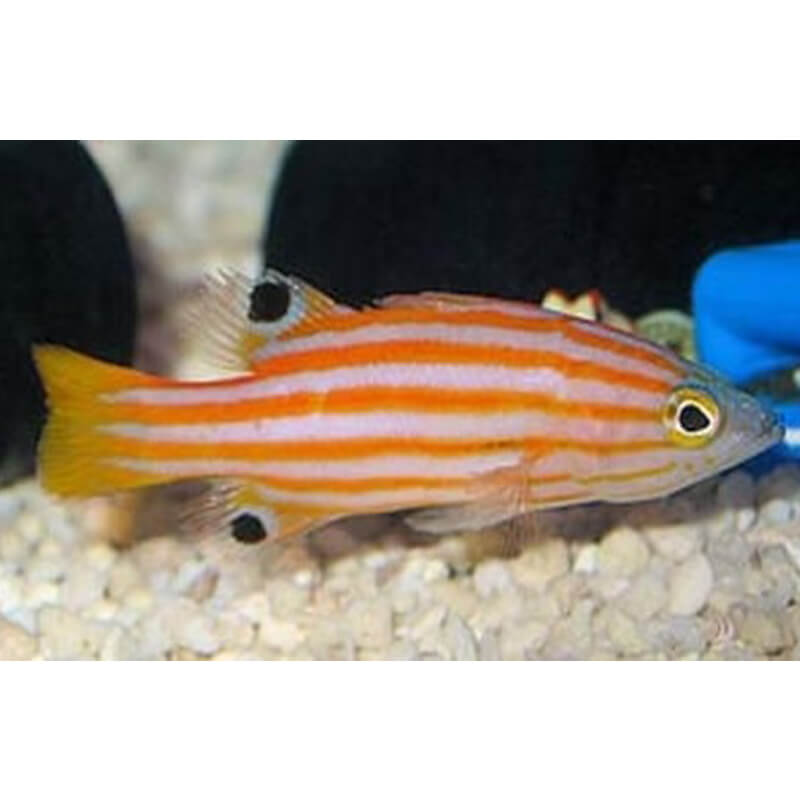
The Swissguard Basslet (Liopropoma rubre) is one of those fish that reef keepers talk about with genuine excitement. It is small, strikingly colored, peaceful, and perfectly suited to smaller reef aquariums. For hobbyists who do not have the space for a large display tank but still want a fish with real visual impact and personality, the Swissguard Basslet consistently comes up as one of the best choices available.
But what exactly makes this little fish so desirable? And why do experienced reef keepers actively seek it out? This guide breaks it all down.
A Look at the Swissguard Basslet
The Swissguard Basslet is a member of the Liopropoma genus, a group of small, secretive basslets found across the Caribbean and western Atlantic. In the wild, it lives in deep reef crevices and cave systems, often at depths between 10 and 45 meters. It tends to stay close to shelter, darting out to catch small prey before retreating back to safety.
Its coloring is what gets most people’s attention. The body is striped with bold horizontal bands of red, orange, and yellow, broken up by contrasting lighter stripes that run cleanly from nose to tail. The pattern is vivid and well-defined, giving the fish a jewel-like quality that stands out beautifully against live rock and coral.
It typically grows to around 3 inches in length, making it one of the more compact reef fish available and an ideal candidate for smaller systems.
The Right Size for Smaller Reef Aquariums
One of the biggest reasons the Swissguard Basslet is so sought after is simply its size. Many of the most colorful and interesting reef fish require large tanks of 100 gallons or more to thrive. The Swissguard Basslet changes that equation completely.
A tank as small as 30 gallons can comfortably house one of these fish, provided the setup includes plenty of live rock with caves and crevices for the fish to explore and retreat into. This opens up the world of truly stunning reef fish to hobbyists who are working with nano and mid-sized systems, where options can feel limited.
For reef keepers with tanks in the 30 to 75 gallon range, the Swissguard Basslet fills the role of a bold, colorful centerpiece fish without the space demands of larger species.
Its Peaceful Nature Makes It Easy to Keep With Others
Beyond its size, the Swissguard Basslet has a temperament that works well in a community reef setup. It is not aggressive toward other fish and does not compete heavily for territory the way some basslet and dottyback species do.
It coexists peacefully with most reef-safe fish including clownfish, gobies, dartfish, small wrasses, and other similarly sized peaceful species. This makes it much easier to plan a balanced and harmonious community tank around.
The one thing to keep in mind is that the Swissguard Basslet may eat very small shrimp or tiny ornamental crustaceans, as it is a natural predator of small invertebrates. It is generally safe with larger ornamental shrimp such as cleaner shrimp and fire shrimp, but very small species should be kept with caution.
Stunning Colors That Rival Much Larger Fish
In the reef hobby, color is everything. The Swissguard Basslet competes with fish twice or three times its size when it comes to visual impact. The bold red and orange striping catches light beautifully in a well-lit reef tank, and the contrast of its pattern against a backdrop of coral and rock makes it a fish that draws attention the moment it appears from its hiding spot.
Many hobbyists describe the first time they see a Swissguard Basslet emerge from a cave in a reef tank as a genuinely exciting moment. Because the fish tends to be somewhat secretive, every appearance feels like a reward.
Its Secretive Behavior Adds Character to a Reef Tank
The Swissguard Basslet is not a fish that constantly patrols open water. It spends much of its time close to the rock work, weaving between caves and overhangs, occasionally darting out to snatch a piece of food before retreating again. This behavior, while sometimes frustrating for hobbyists who want a fish that is always on display, actually adds a layer of natural authenticity to a reef tank.
Watching the Swissguard Basslet peek out from a cave, assess its surroundings, and then dart out for food mirrors exactly how it behaves on a wild reef. For hobbyists who appreciate natural behavior as much as color, this is a big part of the fish’s appeal.
A well-aquascaped tank with plenty of caves, overhangs, and open rock work will encourage the fish to be more active and visible over time as it grows comfortable in its environment.
Hardy and Adaptable Once Settled
The Swissguard Basslet has a reputation for being a reasonably hardy fish once it has settled into a stable aquarium. It adapts well to captive feeding and is not as demanding as some of the more sensitive reef fish species. It accepts a variety of meaty frozen foods including mysis shrimp, enriched brine shrimp, and small pieces of chopped seafood.
The key phrase here is once settled. Like many reef fish, the Swissguard Basslet can be vulnerable during the transition period immediately after arriving in a new tank. This is why the source and condition of the fish at the time of purchase matters enormously.
A fish that has been properly quarantined, conditioned, and trained to eat prepared foods before sale will settle into your display tank far more easily than one that has been rushed through the supply chain without proper care.
Why Quarantine Is Essential When Buying a Swissguard Basslet
The Swissguard Basslet is not an easy fish to find, and when you do find one for sale, it is tempting to buy quickly without asking too many questions. However, taking a moment to confirm that the fish has been properly quarantined before purchase can be the difference between a fish that thrives for years and one that declines within weeks.
At Dr. Reef’s Quarantined Fish, every Swissguard Basslet is held in quarantine for several weeks before being offered to customers. During this time the fish is monitored for disease, treated for any parasites found, and carefully transitioned onto prepared frozen foods. By the time it is available for sale, it is stable, healthy, and eating reliably.
This matters especially for a species that lives naturally at depth and can be sensitive to the stress of collection and transport. A quarantined fish has already worked through that stress in a controlled environment, making your job as a hobbyist significantly easier from day one.
What to Look for When Buying a Swissguard Basslet
When you find a Swissguard Basslet for sale, here are the key things to check before committing to a purchase.
Rich, well-defined coloring. The red and orange stripes should look vivid and sharp. Faded or washed-out color is often a sign of stress or poor health.
Responsive behavior. Even though this fish is naturally somewhat shy, it should react to movement and stimuli outside the tank. A fish that appears completely unresponsive or lethargic is a concern.
Clear eyes and intact fins. Look for clean fins without tears or fraying and eyes that are bright and clear. Any signs of white spots or unusual markings on the body should be treated as a red flag.
Confirmed feeding on prepared foods. Ask your supplier directly whether the fish is eating frozen mysis or similar foods. This confirmation is one of the most important pieces of information you can get.
Good body condition. The fish should look well-fed with a rounded body. A hollow or pinched appearance suggests the fish has not been eating adequately.
Setting Up the Right Tank for a Swissguard Basslet
Getting the tank environment right before your fish arrives sets the foundation for long-term success.
Tank size of 30 gallons minimum is workable, though 40 to 55 gallons gives the fish more room to explore and makes water quality easier to maintain.
Plenty of live rock with caves, overhangs, and sheltered spots is essential. This fish needs places to retreat and feel secure. Without adequate shelter it will remain stressed and hidden far more than necessary.
Stable water parameters with salinity at 1.025 to 1.026, temperature between 74 and 79 degrees Fahrenheit, and pH between 8.1 and 8.3 give the fish the best conditions to thrive.
Peaceful community of similarly sized, non-aggressive fish makes the tank a comfortable environment. Avoid boisterous or aggressive species that will stress the basslet or compete aggressively for food.
A secure lid is recommended as with most reef fish to prevent jumping, particularly during the first weeks of acclimation.
Final Thoughts
The Swissguard Basslet earns its reputation as one of the most sought-after fish for smaller reef aquariums through a combination of brilliant color, manageable size, peaceful temperament, and fascinating natural behavior. It brings the kind of visual impact that many hobbyists associate with much larger fish, all in a compact package that works beautifully in tanks that other standout species simply cannot fit into.
If you have a smaller reef system and want a fish with genuine character and color, the Swissguard Basslet deserves a serious place on your shortlist. Source it from a trusted supplier like Dr. Reef’s Quarantined Fish, make sure your rock work provides plenty of shelter, and this remarkable little fish will reward you with years of enjoyment.