
Cleaner Shrimp in Reef Tanks

Cleaner Shrimp in Reef Tanks: The Complete Guide to Their Role in Your Reef Tank
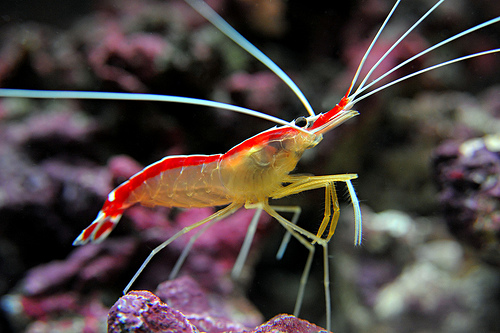
Cleaner shrimp are one of the most useful invertebrates you can add to a reef aquarium. They aren’t just decorative, and they aren’t just part of the cleanup crew; they actively promote the health and well-being of every live fish that shares their tank.
Their role is straightforward: cleaner shrimp set up stations on live rock where fish voluntarily approach to have parasites, dead skin, bacteria, and wound debris removed from their bodies. Both animals benefit. The fish get healthier. The shrimp get fed. It’s a relationship that evolved over millions of years on wild reefs, and it works just as well inside your home aquarium.
This guide covers exactly how cleaner shrimp affect live fish, what species Dr. Reef’s carries, what the science says about their effectiveness, and how to get the most out of one in your tank.
What “Cleaner Shrimp” Actually Means
The term “cleaner shrimp” refers to a handful of species known for their mutualistic cleaning relationships with fish, not just one single species. Cleaner shrimp is a common name for a number of swimming decapod crustaceans that clean other organisms of parasites. Most are found in the families Hippolytidae and Palaemonidae, though the families Alpheidae, Stenopodidae, and others each contain at least one cleaner species.
In the reef aquarium hobby, the most commonly kept cleaner shrimp species include:
- Skunk Cleaner Shrimp (Lysmata amboinensis) – the gold standard of reef tank cleaners, bold and active
- Fire Shrimp / Blood Red Fire Shrimp (Lysmata debelius) – stunning red with white spots, more reclusive
- Pederson Cleaner Shrimp (Ancylomenes pedersoni) – tiny Caribbean species often associated with anemones
- Banded Coral Shrimp (Stenopus hispidus) – striking red and white banded body with long white antennae
The Cleaning Station: A Natural Service Nobody Paid to Set Up
One of the most remarkable things about cleaner shrimp is that they run what amounts to a full-service grooming station right inside your aquarium without any training or encouragement from you.
These shrimp set up stations for fish to get cleaned, often at the top or side of the rockwork. They’ll usually use these rocks as areas to sleep and to hide while molting as well. There, they will scavenge for food in and around the rocks and accommodate any fish that want to be cleaned.
Exactly How Cleaner Shrimp Affect Live Fish
1. Direct Parasite Removal
The most obvious benefit is the removal of ectoparasites, external parasites that live on fish skin, gills, and fins. The fish benefit by having parasites removed from them, and the shrimp gain the nutritional value of the parasites. The shrimp also eat the mucus and parasites around the wounds of injured fish, which reduces infections and helps healing.
2. Nighttime Parasite Control
Here’s something most aquarists don’t know: cleaner shrimp don’t clock out when the lights go off. In fact, they may be doing some of their most valuable work at night.
Cleaner shrimp appear to actively reduce parasites nocturnally, and may therefore be an important source of parasite control on a reef at night when diurnal fish cleaners, like Labroides dimidiatus, are inactive.
3. Wound Care and Infection Prevention
It’s thought that the feeding habits of cleaner shrimp can help to heal wounds on larger fish, which may go some way towards explaining their symbiotic relationships with other species.
When a fish gets nipped by a tankmate, scrapes itself on rockwork, or develops a skin ulceration, cleaner shrimp respond to the wound. They consume the bacteria and dead tissue that accumulate around injury sites, creating cleaner conditions for healing. In a reef tank without a cleaner shrimp, minor wounds can become entry points for bacterial infection that spreads. With one, those same wounds often heal cleanly.
4. Stress Reduction in Client Fish
This one surprises people. The presence of cleaner fish and shrimp can significantly reduce the stress levels in their clients, leading to healthier fish populations.
A fish carrying parasites is a stressed fish. Every time something bites or irritates it, there’s a physiological stress response, elevated cortisol, suppressed immune function, and reduced appetite. Regular cleaning sessions interrupt this cycle. Fish that visit cleaning stations frequently are, on a biological level, less stressed than fish that don’t. Lower chronic stress means better immune response, better appetite, better color, and longer life.
This is one of the hardest cleaner shrimp benefits to quantify, but arguably the most impactful across the lifespan of your fish.
Dr. Reef’s Cleaner Shrimp: What You’re Actually Getting
At Dr. Reef’s Quarantined Fish, cleaner shrimp are sold only as quarantined invertebrates, every single one completing their standard quarantine protocol before shipping.
Final Thoughts: Small Shrimp, Big Impact
Ready to add a cleaner shrimp to your reef? Dr. Reef’s Quarantined Fish carries the Skunk Cleaner Shrimp, Fire Shrimp, and Pederson Cleaner Shrimp, all completing a quarantine before shipping. Every specimen arrives healthy, acclimated, and ready to get to work. Visit Dr. Reef’s Quarantined Fish to browse our full selection of quarantined shrimp.