
What Do Coral Beauty Angelfish Eat?

What Do Coral Beauty Angelfish Eat? Your Complete Feeding Guide
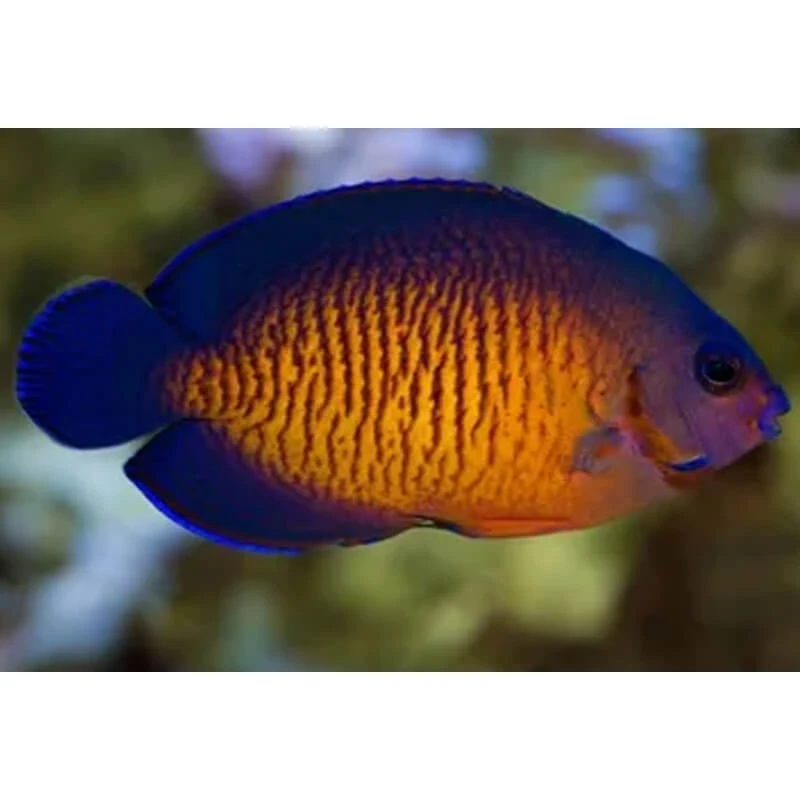
The coral beauty angelfish (Centropyge bispinosa) is pure magic in motion. These compact jewels shimmer with brilliant purples, oranges, and golds, darting gracefully through rockwork like living gemstones. Their manageable size and stunning colors make them dream fish for reef enthusiasts, but here’s the question every prospective owner needs answered: what exactly do these beauties eat?
Let’s explore the surprising dietary needs of coral beauty angelfish and how proper nutrition keeps those vibrant colors glowing.
Wild at Heart: Their Natural Diet
Here’s where coral beauties get interesting. Unlike purely herbivorous tangs or strictly carnivorous dottybacks, coral beauty angelfish are true omnivores with eclectic tastes. In their natural reef environment, they spend their days browsing across live rock, sampling a diverse menu that includes:
- Various species of marine algae
- Sponges (a particular favorite)
- Small crustaceans and zooplankton
- Detritus and organic matter
- Occasionally coral polyps (though they’re generally reef-safe)
This varied wild diet is key to understanding their captive nutritional needs. Coral beauties aren’t picky eaters, but they do require diversity to maintain health and vibrant coloration.
Feeding Success in Your Aquarium
The good news? Coral beauty angelfish adapt beautifully to aquarium foods. The better news? Creating a balanced diet for them is straightforward once you understand their omnivorous nature.
The Algae Component
Start with the plant matter. Offer high-quality marine algae sheets (nori) attached to a veggie clip 3-4 times weekly. Coral beauties will eagerly graze on these throughout the day, mimicking their natural browsing behavior. Spirulina-based flakes and herbivore pellets should also feature regularly in their diet.
If your aquarium has natural algae growth on live rock, you’ll notice your coral beauty constantly picking at it. This natural foraging behavior provides both nutrition and mental stimulation.
The Protein Side
Balance the greens with quality protein sources. Frozen mysis shrimp, brine shrimp, and finely chopped seafood like krill should be offered several times weekly. Many coral beauties also enjoy frozen angelfish preparations that contain sponge material, closely mimicking their natural diet.
Prepared Foods Made Easy
High-quality angelfish-specific pellets and flakes designed for omnivores are convenient staples. Look for formulations containing both algae and protein, ideally with added sponge matter and color-enhancing ingredients like astaxanthin. These keep those stunning purples and oranges brilliantly saturated.
Feeding Frequency
Feed your coral beauty 2-3 times daily in small portions they can consume within a few minutes. Their small size and active metabolism mean they do better with multiple small meals rather than one large feeding.
The Color Connection
Here’s something crucial: a coral beauty’s spectacular coloration is directly linked to nutrition. Poor diet leads to faded colors, reduced vitality, and increased susceptibility to disease. High-quality, varied foods rich in natural color enhancers keep your angelfish looking like the showstopper it should be.
Start Right: Why Quarantine Makes All the Difference
Even with perfect nutrition planned, your success story begins with the fish you choose. A stressed, parasite-laden coral beauty struggling to adapt won’t thrive no matter how well you feed it.
The Quarantine Advantage
Professionally quarantined coral beauty angelfish have already conquered the toughest challenge: transitioning from wild-caught to captive feeding. They’ve been observed by experts, treated preventatively for parasites, and proven they can thrive on aquarium foods. Most importantly, they’re already eating enthusiastically and displaying vibrant, healthy coloration.
Why Dr. Reef’s Gets It Right
Dr. Reef’s Quarantined Fish understands that coral beauties require special attention during acclimation. Their quarantine protocols ensure every coral beauty angelfish receives varied, nutritious foods during the critical adjustment period. By the time these fish are ready for your aquarium, they’re eagerly accepting multiple food types and showing off their full color potential.
When you choose a quarantined coral beauty from Dr. Reef’s, you’re not hoping your new fish will eventually eat. You’re welcoming a robust, proven specimen ready to dazzle in your reef display from day one. You also protect your existing tank community from potential disease introduction, a priceless insurance policy for your established aquarium.
Setting the Stage for Success
Coral beauties appreciate aquariums with ample live rock providing grazing opportunities and hiding spots. Maintain excellent water quality, as these fish are sensitive to deteriorating conditions. A well-established tank with natural food sources supplements their diet and enriches their environment.
Your Colorful Future Awaits
Coral beauty angelfish are rewarding, manageable, and breathtakingly beautiful when properly cared for. Their omnivorous diet requires variety but isn’t complicated: quality algae, protein-rich foods, and specialized preparations keep them healthy and vibrant.
Start with a healthy, quarantined specimen already thriving on varied foods, and you’ll skip the anxiety of acclimation entirely. Combine that solid foundation with consistent, diverse nutrition, and your coral beauty will be turning heads and stealing shows for years to come.
For comprehensive information about their quarantine process and available coral beauty angelfish, visit https://drreefsquarantinedfish.com/.