
Where to Buy Peacock Mantis Shrimp

Where to Buy Peacock Mantis Shrimp: A Complete Guide for Marine Aquarium Enthusiasts
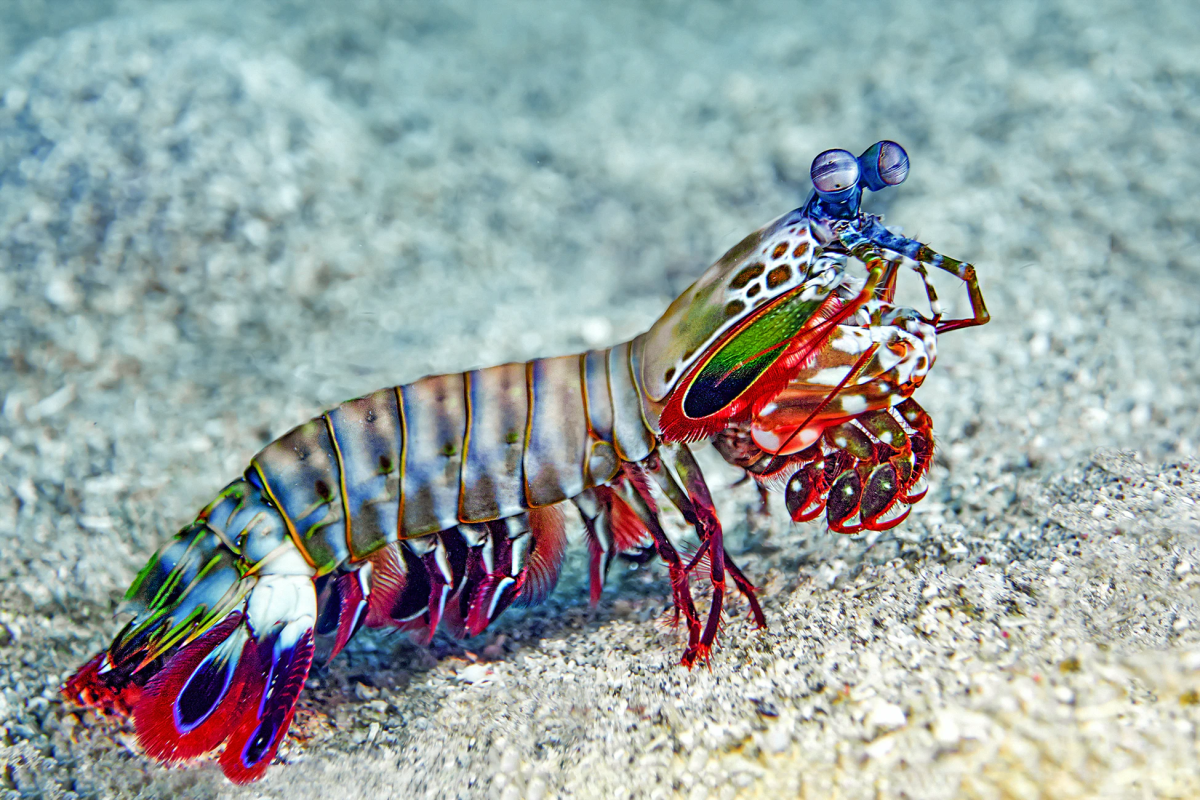
The peacock mantis shrimp (Odontodactylus scyllarus) stands as one of the most captivating and controversial additions to marine aquariums. With their stunning rainbow coloration, incredibly powerful raptorial appendages, and fascinating predatory behavior, these stomatopods attract both admiration and apprehension from aquarists. If you’re considering adding one of these remarkable creatures to your collection, understanding where and how to purchase them responsibly is essential.
The Importance of Quarantined Specimens
When purchasing a peacock mantis shrimp, the single most critical factor is to ensure that you’re acquiring a healthy, properly quarantined specimen. At Dr. Reef’s Quarantined Fish, all peacock mantis shrimp undergo rigorous quarantine protocols before being made available to customers. This process typically spans a few weeks, during which each specimen is carefully observed for signs of disease, parasites, or stress-related conditions.
Quarantine procedures are particularly vital for mantis shrimp because these animals, while generally hardy, can harbor parasites or bacterial infections that may not be immediately visible. During quarantine, specimens are monitored for proper feeding behavior, activity levels, and molting cycles. This ensures that when you receive your peacock mantis shrimp, it’s already acclimated to captive conditions and feeding on prepared foods like frozen shrimp, squid, and krill.
What Sets Quality Suppliers Apart
The difference between purchasing from a specialized quarantine facility and other sources cannot be overstated. Peacock mantis shrimp are sensitive to shipping stress and water parameter changes. Reputable suppliers who specialize in quarantined livestock implement specific handling protocols that minimize stress during collection, holding, and shipping phases.
Quality suppliers provide detailed information about each specimen, including its current size (typically ranging from 2 to 5 inches), feeding history, and behavioral observations. They should be transparent about the animal’s origin, whether it was sustainably collected, and how long it has been in their care. This transparency allows you to make informed decisions and sets you up for long-term success.
Size and Specimen Selection
Peacock mantis shrimp are typically available in various sizes, and your choice should depend on your experience level and tank setup. Smaller specimens around 2-3 inches are often easier to acclimate and may adapt more readily to new environments, though they require appropriately sized prey items. Larger adults, measuring 4-5 inches or more, display the most spectacular coloration with vibrant peacock-blue, green, and orange hues that give the species its name.
When selecting a specimen through Dr. Reef’s Quarantined Fish, you can expect detailed descriptions of each individual’s characteristics. Some peacock mantis shrimp may be more bold and active, while others might be more reclusive. Understanding these individual personalities helps ensure compatibility with your intended tank setup and viewing preferences.
Health Indicators and Quality Assurance
A healthy peacock mantis shrimp exhibits several key characteristics. The eyes should be clear, bright, and tracking movement outside the tank. The coloration should be vibrant and well-defined, with the characteristic iridescent blues and greens clearly visible. The animal should be alert, reactive to stimuli, and demonstrate strong striking behavior when presented with food.
At a professional quarantine facility, each specimen is evaluated for these health markers before being offered for sale. The mantis shrimp should be feeding reliably on prepared foods, eliminating the challenge many aquarists face when trying to transition wild-caught specimens from live prey. This feeding establishment is one of the most valuable aspects of purchasing quarantined livestock.
Pricing Considerations
Peacock mantis shrimp typically range to $150 or more, depending on size, coloration intensity, and the level of care invested in quarantine and acclimation. While quarantined specimens may carry a higher initial cost compared to non-quarantined alternatives, the investment provides significant value. You’re not only getting a healthier animal but also avoiding the potential costs associated with treating diseases, replacing deceased specimens, or dealing with parasites that could affect other tank inhabitants.
Shipping and Acclimation Support
Professional suppliers understand that shipping live marine invertebrates requires expertise. Peacock mantis shrimp need carefully controlled temperatures, adequate oxygen, and minimal transit time. Specialized packaging with insulation and heat or cool packs ensures specimens arrive in optimal condition.
Beyond shipping logistics, reputable suppliers provide comprehensive acclimation instructions specific to mantis shrimp. These guidelines help you safely introduce the animal to your system, accounting for differences in temperature, salinity, and pH between shipping water and your aquarium.
Tank Requirements Before Purchase
Before acquiring a peacock mantis shrimp, ensure you have appropriate housing prepared. These powerful animals require specialized tanks with reinforced acrylic or extra-thick glass (minimum half-inch thickness), as their raptorial appendages can shatter standard aquarium glass. A minimum tank size of 30 gallons is recommended, with plenty of live rock providing hiding spots and hunting grounds.
Peacock mantis shrimp are best housed alone or only with robust fish species they cannot easily catch. They’re territorial and highly predatory, requiring careful consideration of tank mates.
The Dr. Reef’s Advantage
Purchasing from Dr. Reef’s Quarantined Fish means you’re working with specialists who understand the unique needs of peacock mantis shrimp. The comprehensive quarantine process, expert handling, and ongoing customer support ensure you’re starting your mantis shrimp keeping journey with the highest probability of success. Every specimen is treated as an individual, with attention paid to its specific needs and behaviors.
By choosing quarantined livestock, you’re also protecting your existing aquarium inhabitants from potential disease introduction and supporting sustainable, responsible marine aquarium practices that prioritize animal health and welfare above all else.