

Blog
What is a Horn Shark?

What is a Horn Shark? Meet One of the Ocean’s Most Fascinating Bottom-Dwellers
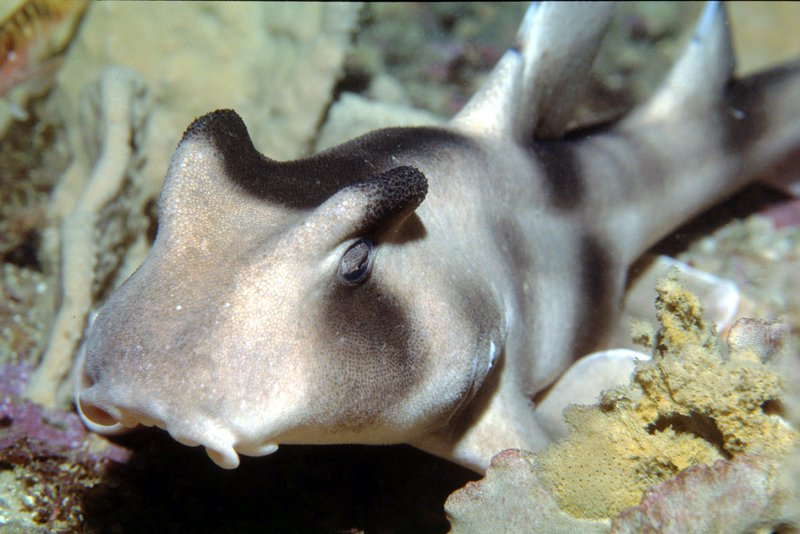
Have you ever heard of a shark with horns? It sounds like something from a fantasy novel, but the Horn Shark is very real, and it’s one of the most intriguing species you can keep in a home aquarium. If you’re captivated by the idea of having a shark but intimidated by the aggressive reputation these fish sometimes carry, the Horn Shark might just change your mind completely.
Let’s dive into the world of this remarkable bottom-dwelling predator and discover what makes it such a special addition to the right cold-water marine system.
What exactly is a Horn Shark?
The Horn Shark (Heterodontus francisci), also known as the California Horn Shark, is a small to medium-sized shark species native to the Pacific coast of North America. These fascinating fish inhabit the coastal waters from California down to Mexico, where they patrol rocky reefs and sandy bottoms in search of their favorite prey, hard-shelled invertebrates.
When you bring home a Horn Shark, you’re potentially making a commitment that could last as long as raising a child. This longevity is wonderful for aquarists who want a long-term companion, but it requires serious consideration of your ability to maintain a cold-water system for decades.
Horn Shark’s Unique Appearance
The Signature “Horns”
- Prominent bony ridges are located above each eye.
- They give the shark a prehistoric, permanently furrowed look.
Head Structure
- The head is broad and blunt, almost pig-like.
- It creates a unique silhouette compared to other sharks.
- The small mouth is on the underside.
- A face-on view gives them a grumpy, bulldog-like expression.
Body Build
- The front end is thick and muscular, noticeably stocky.
- It tapers down gradually toward the tail.
- This shark is less sleek than typical sharks; it is built more like a tank.
- Overall, it has a rugged, armored appearance.
Coloration and Pattern
- The base color ranges from tan to grayish-brown.
- Dark brown or blackish spots are scattered randomly across the body.
- The mottled pattern looks like paint splatters.
- This provides excellent camouflage in kelp forests and rocky reefs.
Fin Features
- There are two high, ridged dorsal fins on the back.
- The front dorsal fin is particularly prominent.
- This adds to the tough, prehistoric look.
Overall Impression
Stocky, grumpy-looking bottom dweller with serious character.
Less like a sleek predator, more like the bulldog of the ocean floor.