
Blog
What Does the Peacock Mantis Shrimp Eat?

What Does the Peacock Mantis Shrimp Eat? A Complete Feeding Guide
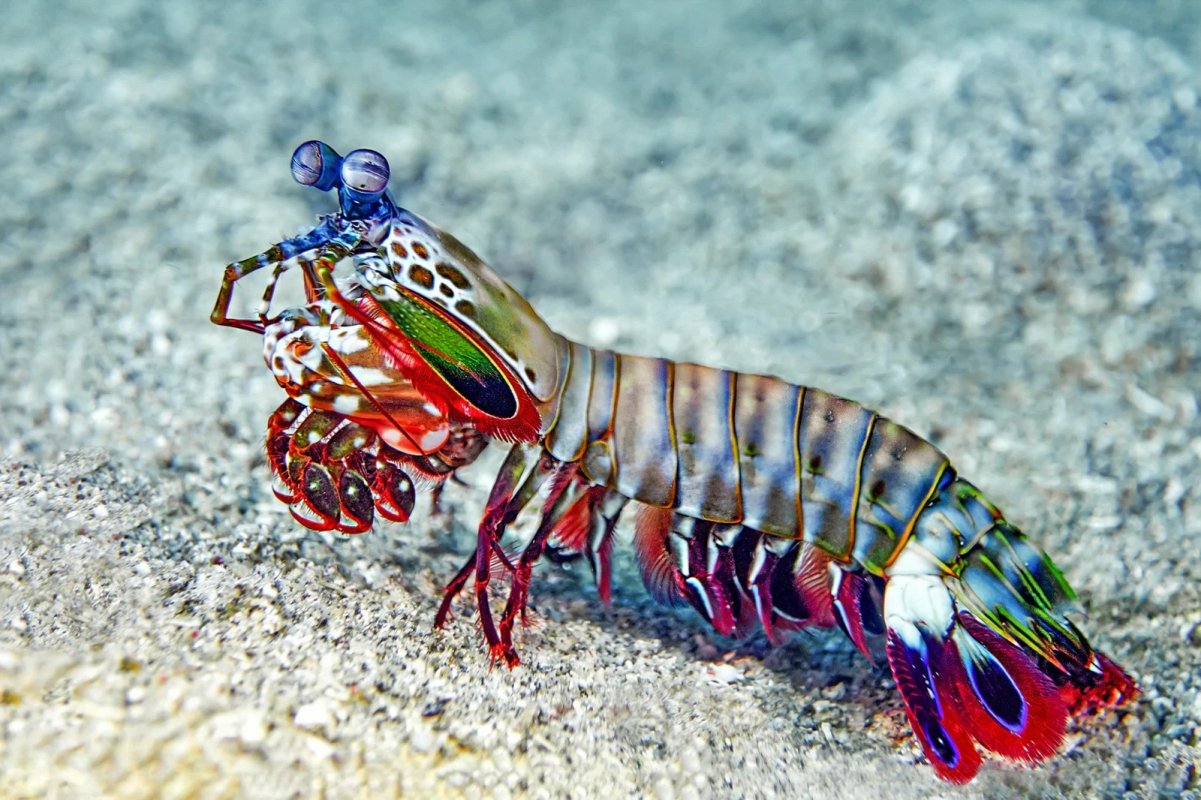
The peacock mantis shrimp (Odontodactylus scyllarus) is one of the most stunning and fascinating creatures you can add to your marine aquarium. With its brilliant rainbow coloration and incredible hunting abilities, this crustacean is a showstopper that captivates hobbyists worldwide. At Dr.Reef, we’re proud to offer healthy, quarantined peacock mantis shrimp that arrive ready to thrive in your carefully prepared aquarium. Understanding their dietary needs is essential to keeping these magnificent predators happy and healthy.
Natural Diet in the Wild
In their natural reef habitat, peacock mantis shrimp are apex predators with a diverse menu. These remarkable creatures are equipped with one of the most powerful strikes in the animal kingdom, capable of breaking through shells and even aquarium glass if they’re large enough. Their diet primarily consists of hard-shelled prey including crabs, snails, clams, and other crustaceans. They also consume small fish, shrimp, and various mollusks they encounter while hunting along the reef substrate.
The peacock mantis shrimp’s club-like appendages allow them to smash open the toughest shells, giving them access to food sources other predators can’t reach. This specialized hunting method means they’ve evolved to prefer meaty, protein-rich foods that provide the energy needed to support their active lifestyle.
Feeding Your Peacock Mantis Shrimp in Captivity
When you bring home a quarantined peacock mantis shrimp from Dr.Reef, you’re getting a specimen that’s been carefully acclimated and observed for health. These amazing animals adapt well to captive feeding, making them rewarding pets for experienced aquarists.
The foundation of a captive peacock mantis shrimp’s diet should include:
Fresh or Frozen Seafood: Offer high-quality frozen foods like mysis shrimp, krill, scallops, clams, and chunks of fish or squid. These provide essential proteins and nutrients that mirror their natural prey. Many hobbyists find success with a rotation of different foods to ensure balanced nutrition.
Live Feeder Crabs and Shrimp: While not necessary for every feeding, occasional live prey stimulates natural hunting behaviors and provides excellent enrichment. Your peacock mantis shrimp will demonstrate its incredible striking ability, which is truly spectacular to witness.
Snails and Shellfish: Hard-shelled prey like snails and small clams allow your mantis shrimp to exercise its powerful clubs, which is important for their physical and mental well-being.
Feeding Frequency and Best Practices
Adult peacock mantis shrimp should be fed every 2-3 days, though juveniles may require more frequent feedings. They have hearty appetites but won’t overeat, making them relatively easy to maintain once you establish a routine.
Because Dr.Reef’s quarantined specimens arrive healthy and parasite-free, they typically show strong feeding responses right away. This quarantine process ensures your new mantis shrimp is ready to eat and thrive from day one, reducing the stress and uncertainty that can come with wild-caught specimens.
Use feeding tongs to place food near your mantis shrimp’s burrow entrance. They’re intelligent creatures that quickly learn feeding schedules and will often emerge enthusiastically when they see you approaching with food.
Why Choose Dr.Reef’s Quarantined Peacock Mantis Shrimp
At Dr.Reef’s Quarantine Fish, every peacock mantis shrimp undergoes rigorous quarantine protocols before reaching your aquarium. This means you’re receiving a specimen that’s been carefully observed, properly fed, and verified to be in excellent health. Our quarantine process eliminates parasites and diseases, giving you confidence that your new addition will flourish.
The peacock mantis shrimp is an extraordinary addition to species-specific aquariums, and with proper feeding and care, these incredible animals can live for several years, providing endless fascination. Trust Dr.Reef’s commitment to quality and quarantine excellence for your next marine invertebrate addition.