
Blog
What Do Turbo Snails Eat?

What Do Turbo Snails Eat? Your Complete Feeding Guide
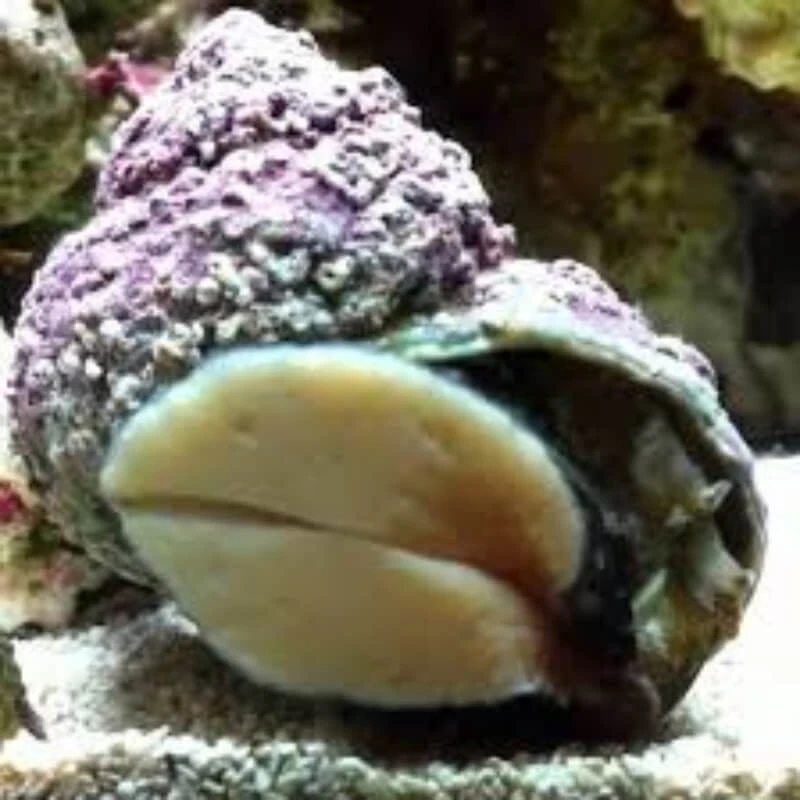
Turbo snails are among the most effective cleanup crew members in marine aquariums, and understanding their dietary needs is key to maintaining both healthy snails and a pristine tank. These hardworking invertebrates are natural algae-eating machines that can transform problem algae into a thriving, balanced ecosystem. However, their success depends entirely on receiving healthy, robust specimens from the start.
Primary Diet: Algae
Turbo snails (primarily Turbo fluctuosa and Turbo brunneus species) are herbivorous grazers with an insatiable appetite for various types of algae. Their primary food sources include:
Hair algae is one of their favorite targets. These snails can consume impressive amounts of this problematic algae that many aquarists struggle to control. A single healthy turbo snail can clear visible patches within days. The key word here is “healthy,” and that starts with how the snail is sourced and handled before reaching your tank.
Film algae and diatoms coating your glass, rocks, and decorations are constantly grazed by these tireless workers. You’ll often see the characteristic clean trails they leave behind as they methodically work across surfaces.
Green algae in various forms provides essential nutrition. Turbo snails will climb rocks, glass, and even powerheads to reach algae growth, making them three-dimensional cleaners that access areas other species miss.
Cyanobacteria (red slime algae) is sometimes consumed by turbo snails, though they prefer other algae types. They can help manage minor outbreaks as part of a comprehensive approach.
How Much Do They Eat?
Turbo snails are remarkable consumers relative to their size. A healthy specimen continuously grazes for 12 to 16 hours daily, only pausing briefly to rest. This makes them incredibly efficient at controlling algae in established aquariums. However, this appetite also means you need adequate algae growth to sustain them long-term.
The general stocking guideline is one turbo snail per 10 to 20 gallons of aquarium volume, depending on available algae. Overstocking cleanup crews in pristine tanks can lead to starvation. This is exactly why Dr. Reef’s quarantined invertebrates arrive already feeding and acclimated. You know these snails are actively eating before they ever enter your system, eliminating the guesswork and risk of receiving weak or starving specimens.
Supplemental Feeding
In ultra-clean aquariums or mature reef systems with minimal algae, supplemental feeding becomes necessary. Options include:
Nori sheets (dried seaweed) can be attached to clips or rubber-banded to rocks. High-quality nori provides excellent nutrition when natural algae is limited.
Algae wafers designed for herbivorous fish work well for turbo snails. Place them in areas where snails frequent during evening hours.
Blanched vegetables like zucchini, cucumber, or spinach offer variety, though marine algae-based foods are nutritionally superior.
Professional observation during quarantine ensures snails will accept these supplemental foods when needed, giving you confidence they won’t starve in cleaner systems.
Signs of a Well-Fed Turbo Snail
Healthy turbo snails display several key characteristics. They move actively across surfaces, show strong attachment to glass and rocks, and maintain intact, undamaged shells without erosion or thinning. Well-nourished snails also demonstrate their muscular foot fully extended while grazing.
The difference between a thriving snail and one that arrives stressed from shipping is dramatic. Stressed invertebrates often refuse to eat, remain retracted in their shells, and may never recover. This is the critical advantage of quarantined livestock from Dr. Reef’s Quarantined Fish. Every snail is observed feeding, assessed for health issues, and acclimated properly before shipping. You receive animals proven to thrive, not gambles.
The Dr. Reef Difference
Turbo snails are long-lived invertebrates that can serve your aquarium for years when provided appropriate conditions. At Dr. Reef’s Quarantined Fish, our turbo snails undergo the same rigorous observation and care as our fish. They arrive feeding actively, displaying robust behavior, and ready to immediately tackle algae in your display tank.
Why risk receiving shipping-shocked invertebrates that may never adapt? Dr. Reef’s quarantine process ensures every turbo snail is a proven performer. When you invest in quality cleanup crew members from Dr. Reef’s Quarantined Fish, you’re investing in the long-term success and clarity of your reef system. Start right with livestock you can trust.