
Blog
What Do Royal Gramma Eat?

What Do Royal Gramma Eat? A Complete Feeding Guide for the Fairy Basslet
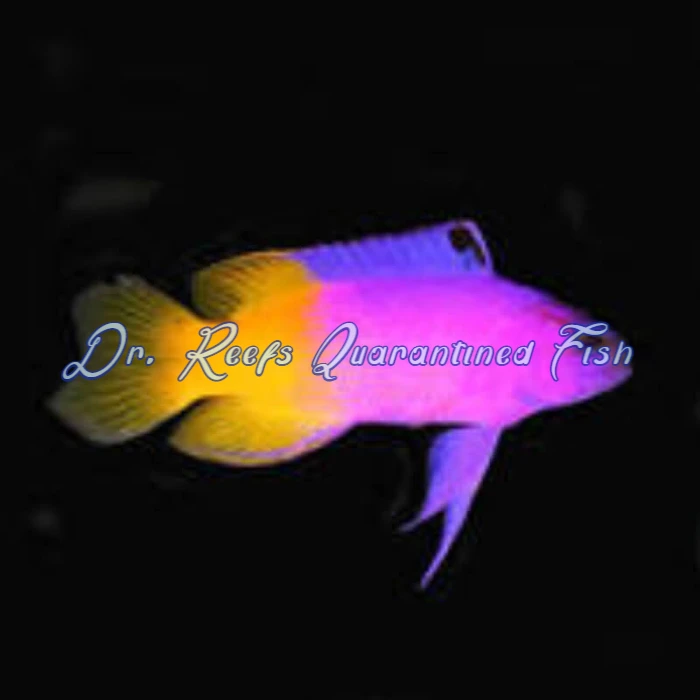
If you are searching for a fish that delivers jaw-dropping color, a gentle personality, and straightforward care all in one small package, the Royal Gramma (Gramma loreto) belongs at the very top of your list. With its electric violet-purple front half blending seamlessly into a rich golden yellow tail, this Caribbean gem is one of the most visually stunning fish in the entire saltwater hobby. And here is the best part: when it comes to feeding, the Royal Gramma is one of the easiest marine fish you will ever keep. To understand why, it helps to start with what this remarkable little fish eats in the wild.
What Royal Gramma Eat in the Wild
In their native Caribbean habitat, Royal Grammas are planktivores and carnivorous micro-predators. They inhabit deep reef walls and ledges, typically between 1 and 20 meters below the surface, hovering in the shade of overhangs and darting out to intercept prey that drifts past in the current. Their natural diet consists primarily of zooplankton and small crustaceans, along with phytoplankton, copepods, and fish eggs that pass through the water column.
One of the most fascinating aspects of Royal Gramma behavior in the wild is their role as cleaner fish. They actively remove ectoparasites from the skin of larger reef fish, providing a valuable service to the reef community while supplementing their own diet at the same time. This natural cleaning behavior means the Royal Gramma has evolved to be an opportunistic, versatile feeder rather than a specialist, and that quality translates beautifully into life in the home aquarium.
Interestingly, Royal Grammas often hover in their caves and crevices upside down, with their bellies oriented toward the water surface. This position allows them to stay concealed from predators while still maintaining a clear view of the open water column for passing prey. It is a behavior that many hobbyists observe in their home tanks and one of the many endearing quirks that makes this fish such a joy to watch.
Feeding the Royal Gramma in Captivity
In a home aquarium, Royal Grammas are famously unfussy eaters. They prefer to pick food from the middle of the water column, darting out from their favorite hiding spots to intercept anything edible that drifts within range. This feeding style makes them wonderfully practical in a community reef setting.
A well-rounded diet for a captive Royal Gramma includes:
Mysis shrimp is the cornerstone food for Royal Grammas in captivity. Nutritionally dense and closely matching the small crustaceans they consume in the wild, frozen mysis is eagerly accepted by virtually every healthy specimen and should form the foundation of their daily diet.
Brine shrimp is another firm favorite. Vitamin-enriched frozen brine shrimp provides excellent nutrition and variety. Live brine shrimp is particularly useful for encouraging newly arrived fish to begin feeding with confidence, as the movement in the water column closely mimics their natural prey.
Zooplankton and plankton-based foods mirror the Royal Gramma’s wild diet most directly. Liquid reef foods, copepods, and frozen plankton preparations are excellent additions that support vibrant coloring and long-term health.
High-quality pellets and flake foods are also accepted, particularly by well-conditioned specimens. These make a practical and nutritious supplement to a primarily frozen food diet. Rotating food types regularly prevents the Royal Gramma from becoming selective and ensures it receives the full spectrum of nutrients it needs.
Feed small amounts two to three times daily to suit the Royal Gramma’s natural grazing style. They are not aggressive feeders and will comfortably share a feeding schedule with peaceful tank mates such as clownfish, gobies, firefish, cardinalfish, and small wrasses.
The Cleaner Fish Bonus
Because Royal Grammas naturally remove ectoparasites from other reef fish, a healthy and confident specimen in a community tank provides a subtle but genuine benefit to its neighbors. This cleaning behavior is more commonly observed in wild populations but can occasionally be seen in well-established home aquariums where the Royal Gramma feels secure and settled. It is a wonderful reminder that this small fish plays a far bigger role in the reef ecosystem than its 3-inch size might suggest.
Why a Quarantined Royal Gramma Makes All the Difference
For all their hardiness, Royal Grammas that arrive from unquarantined sources can be prone to stress-related hiding and reluctance to feed. A fish that has been moved through multiple holding systems without proper care may retreat into the rockwork and refuse food entirely in the early weeks, which is a far more stressful experience for the keeper than it needs to be.
At Dr. Reef’s Quarantined Fish, every Royal Gramma goes through a comprehensive quarantine and feeding observation program before it ships. That means each fish is confirmed to be actively eating, behaving normally, and free of common pathogens before it ever arrives at your door. When your Royal Gramma settles in, it will not need weeks of coaxing to start feeding. It will be ready to dart confidently from the rockwork, intercept mysis mid-column, and show you exactly what makes this fish one of the most beloved species in the entire reef hobby.
Browse the current Royal Gramma availability at Dr. Reef’s Quarantined Fish and bring home a fish that is already thriving, already eating, and ready to become the jewel of your reef.