
Blog
What Do Foxface Rabbitfish Eat in the Wild?

What Do Foxface Rabbitfish Eat in the Wild? Understanding Nature’s Algae Control Expert
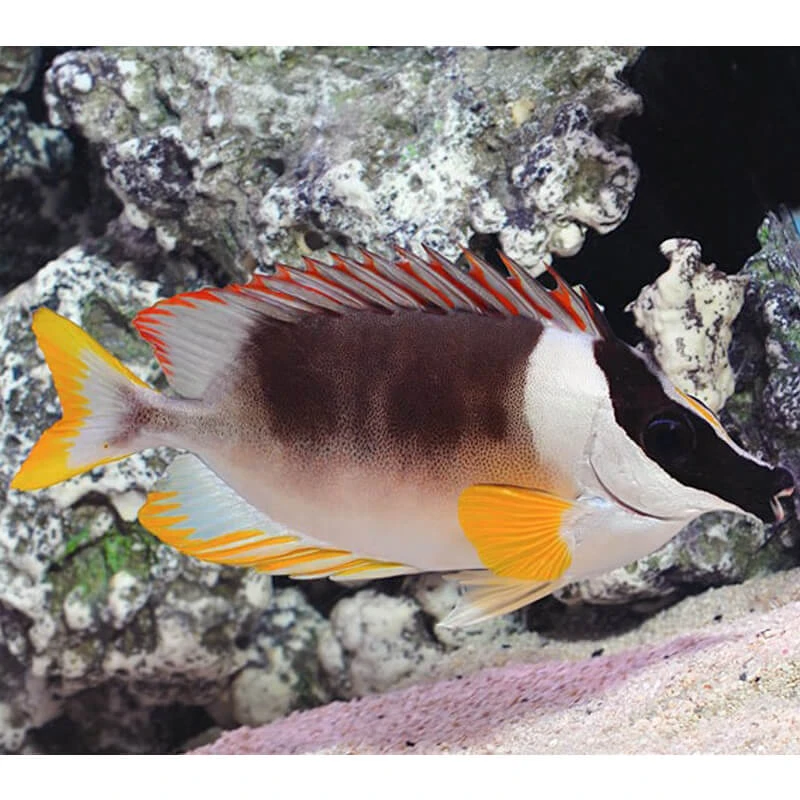
If you’ve ever watched a foxface rabbitfish glide gracefully through a reef aquarium, you might wonder what fuels these striking fish in their natural habitat. Understanding the wild diet of Siganus vulpinus isn’t just fascinating marine biology; it’s essential knowledge for any aquarist who wants to keep these remarkable fish thriving in captivity.
The Herbivorous Lifestyle of Foxface Rabbitfish
In the coral reefs of the Indo-Pacific, foxface rabbitfish are primarily herbivores with an insatiable appetite for algae. These fish spend much of their day methodically grazing across reef surfaces, using their small, specialized mouths to scrape and nibble at various types of algae. Their role as natural lawnmowers makes them invaluable members of the reef ecosystem, preventing algae from smothering coral colonies and maintaining the delicate balance that allows reefs to flourish.
The foxface’s diet consists predominantly of filamentous algae, turf algae, and macroalgae species. They’re particularly fond of the troublesome hair algae that plagues many reef systems, both natural and artificial. This preference makes them heroes in the aquarium trade, but in the wild, it serves an even more critical purpose: keeping fast-growing algae species in check so slower-growing corals can compete for space and light.
Beyond the Greens: A Varied Natural Menu
While algae forms the foundation of their diet, foxface rabbitfish are not strictly limited to plant matter. In their natural environment, these adaptable fish also consume small invertebrates that they encounter during their grazing sessions. Tiny crustaceans, zooplankton, and other microscopic organisms living among the algae provide supplemental protein and nutrients. This occasional protein intake is incidental rather than intentional, but it plays a role in their overall nutritional balance.
During certain times of the year, foxface rabbitfish may also feed on detritus and biofilm that accumulates on reef surfaces. This behavior demonstrates their resourcefulness and ability to extract nutrition from multiple sources, a trait that has contributed to their success across diverse reef environments.
Feeding Behavior and Social Dynamics
Foxface rabbitfish typically feed during daylight hours, often in pairs or small groups. Their feeding strategy involves systematically working across reef areas, taking small bites as they move. Unlike aggressive feeders that gulp large mouthfuls, foxfaces are deliberate and methodical, which allows them to extract maximum nutrition while minimizing waste.
Their peaceful grazing behavior rarely disrupts other reef inhabitants, and they generally coexist harmoniously with a wide variety of fish species. This gentle temperament, combined with their algae-eating prowess, makes them model citizens of the reef community.
What This Means for Aquarium Keeping
Understanding the natural diet of foxface rabbitfish provides crucial insights for aquarists. These fish have evolved to process large quantities of low-nutrient plant matter, which means they need frequent access to algae or suitable substitutes. Their digestive systems are designed for constant grazing rather than large, infrequent meals.
At Dr. Reef’s Quarantined Fish, we ensure our foxfaces receive nutrition that mirrors their wild diet as closely as possible. High-quality marine algae, supplemented with vitamin-enriched foods, keeps these fish healthy and vibrant during their quarantine period. This preparation ensures they transition smoothly to your aquarium, where they’ll continue their natural role as peaceful, efficient algae controllers.
Nature’s Perfect Reef Gardener
The foxface rabbitfish represents millions of years of evolution perfecting the art of herbivory in coral reef ecosystems. Their specialized diet and feeding behavior make them indispensable to reef health in the wild and invaluable assets in marine aquariums. By understanding and respecting their natural dietary needs, we can ensure these beautiful fish continue to thrive, bringing a piece of the wild reef’s balance and beauty into our homes.