
Blog
What Do Engineer Gobies Eat?

What Do Engineer Gobies Eat? A Complete Feeding Guide
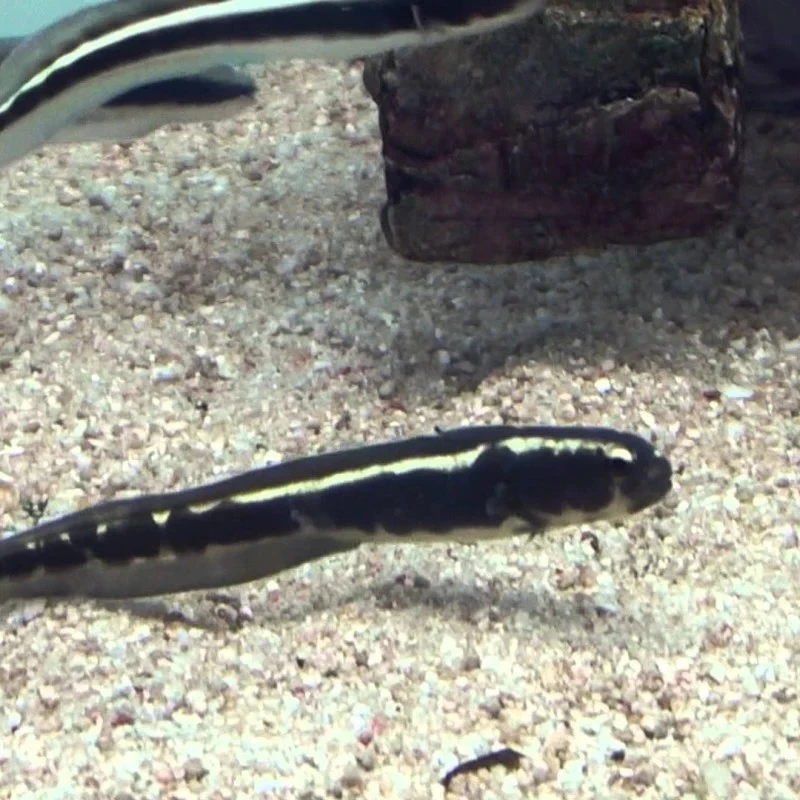
Engineer gobies (Pholidichthys leucotaenia) are fascinating additions to marine aquariums, known for their eel-like appearance and intriguing burrowing behavior. If you’re considering adding these captivating fish to your tank, understanding their dietary needs is essential for keeping them healthy and thriving.
Natural Diet in the Wild
In their natural habitat, engineer gobies are opportunistic feeders with a carnivorous appetite. They spend much of their time in sandy burrows, emerging to hunt for small invertebrates, zooplankton, and various meaty foods drifting through the water column. Their diet primarily consists of tiny crustaceans, marine worms, and other protein-rich organisms found along the ocean floor.
Feeding Your Engineer Goby in Captivity
The good news for aquarium enthusiasts is that engineer gobies adapt remarkably well to captive feeding. These hardy fish readily accept a wide variety of prepared foods, making them relatively easy to care for once properly acclimated.
Protein-Based Foods
Engineer gobies thrive on high-quality protein sources. Offer them frozen foods such as mysis shrimp, brine shrimp, and finely chopped krill. These meaty options closely mimic their natural diet and provide essential nutrients. Many hobbyists find success with frozen bloodworms as well, though these should be offered as part of a varied diet rather than a staple.
Prepared and Pellet Foods
Once settled into your aquarium, engineer gobies typically accept sinking pellets and quality marine flakes. Look for carnivore-specific formulations with high protein content. It’s best to soak pellets briefly before feeding to ensure they sink quickly, as engineer gobies are bottom-dwelling fish that prefer to feed near the substrate.
Feeding Frequency and Portions
Feed your engineer goby once or twice daily, offering only what they can consume within a few minutes. These fish have healthy appetites but shouldn’t be overfed, as this can compromise water quality in your aquarium.
The Importance of Proper Quarantine
While engineer gobies are generally hardy, introducing any new fish to your established aquarium carries risks. This is where choosing properly quarantined specimens makes all the difference in your success as an aquarist.
Quality quarantine practices ensure your new engineer goby arrives healthy, parasite-free, and already acclimated to aquarium foods. Fish that have been professionally quarantined have undergone observation periods, preventative treatments, and nutritional conditioning. This means they’re already eating well and ready to thrive in your home aquarium from day one.
Why Quarantined Fish Matter
Purchasing quarantined engineer gobies eliminates the guesswork and stress of the acclimation process. These fish have been carefully monitored, treated for common parasites, and trained to accept various prepared foods. You’ll skip the anxious waiting period wondering if your new fish will eat, and you’ll protect your existing tank inhabitants from potential disease introduction.
Dr. Reef’s Quarantined Fish specializes in providing marine fish that have completed rigorous quarantine protocols. Their engineer gobies arrive robust, feeding enthusiastically, and ready to become long-term members of your aquatic community. For more information about their quarantine process and available species, visit https://drreefsquarantinedfish.com/.
Creating the Ideal Feeding Environment
Engineer gobies appreciate having hiding spots and burrows where they feel secure. They’re more likely to feed confidently when they have established territories. Provide PVC pipes or rockwork with caves, and maintain a sandy substrate that allows for their natural burrowing behavior.
Conclusion
Engineer gobies are rewarding aquarium inhabitants with straightforward dietary requirements. By offering varied protein-rich foods and ensuring your fish comes from a reliable source that prioritizes health and proper acclimation, you’ll enjoy watching these unique creatures thrive for years to come. Investing in properly quarantined specimens sets the foundation for a successful, stress-free addition to your marine aquarium.