
Blog
What Do Cleaner Wrasse Eat?

What Do Cleaner Wrasse Eat? The Complete Feeding Guide
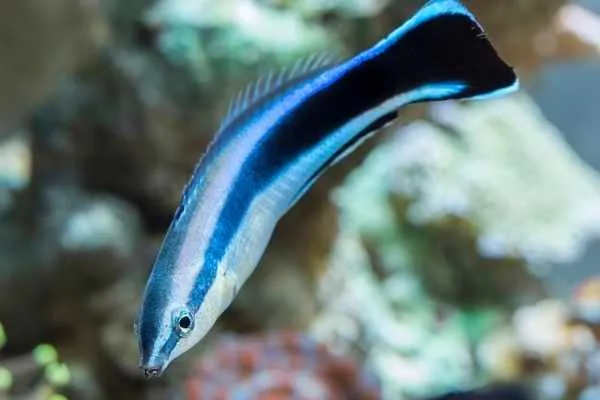
Cleaner wrasses are absolutely fascinating to watch. But here’s the million-dollar question that every potential owner needs to answer: What do cleaner wrasse actually eat, and can you keep them alive in captivity?
Feeding cleaner wrasse is the biggest challenge. Get it right, and you’ll have a thriving fish performing one of nature’s coolest behaviors in your tank. Get it wrong, and you’ll sadly watch a beautiful fish slowly starve in a tank full of food.
Dr. Reef’s Quarantined Fish has important insights on this topic, and we’re going to dive deep into what these specialized feeders need to survive.
What Cleaner Wrasse Eat
Natural Diet (In the Wild):
- Parasites removed from other fish
- Dead tissue from fish
- Fish slime and mucus
- External parasites like copepods and isopods
Aquarium Diet (What You Need to Provide):
Frozen Foods:
- Vitamin-enriched mysis shrimp
- Vitamin-enriched brine shrimp
- Finely chopped seafood
- Cyclops
- Rotifers
Prepared Foods (Must Be Trained):
- High-quality marine pellets
- Marine flake food
Live Foods:
- Copepods from established systems
- Amphipods
- Other micro-crustaceans
Feeding Frequency: “Multiple small feedings throughout the day (3-4 times minimum)” because “this species naturally feeds continuously throughout the day.”
Why Feeding Cleaner Wrasse Is So Challenging
Here’s the brutal truth: many wild-caught cleaner wrasse fail to adapt to prepared foods and slowly starve in captivity.
Dr. Reef doesn’t sugarcoat this. Our care sheet clearly states this species has “specialized dietary needs that make them challenging to maintain” and that “success depends heavily on training to accept prepared foods.”
The Problem with Their Natural Diet
In the wild, cleaner wrasse spend their entire day doing one thing: cleaning other fish. They establish “cleaning stations” on the reef where other fish come to them for parasite removal. It’s like running a 24-hour car wash, except for fish.
This creates three major problems in captivity:
Problem 1: Continuous Feeding Wild cleaner wrasse eat small amounts constantly, hundreds of tiny bites per day. This is radically different from most aquarium fish that eat a few large meals.
Problem 2: Specialized Food Source Parasites and dead tissue aren’t exactly available at your local fish store. You can’t buy “frozen parasites” to feed them. This means you must train them to eat alternative foods.
Problem 3: Behavioral Adaptation Many cleaner wrasse are so hardwired to clean other fish that they refuse to recognize anything else as food. It’s like trying to convince a specialist doctor to suddenly become a generalist. Some can adapt, many can’t.
The Critical Importance of Training
This is where buying from Dr. Reef’s Quarantined Fish becomes essential. Dr. Reef’s website states: “Purchasing a quarantined specimen from us means you’re starting with a fish that has been successfully trained to accept prepared foods, the single most critical factor for long-term survival of this species.”
What Happens During Quarantine Training
According to Dr. Reef, all their cleaner wrasse are:
- “Carefully observed”
- “Treated as needed”
- “Conditioned to eagerly accept multiple types of frozen and prepared foods before sale.”
- Kept until they’re “feeding well and properly acclimated.”
Most cleaner wrasse sold in the hobby are wild-caught fish that were netted on a reef one week and in a retail tank the next. They’ve never seen frozen mysis shrimp. They don’t recognize pellets as food. They’re looking for fish to clean, and when there aren’t enough parasite-laden tankmates, they slowly waste away.
The Starvation Problem
“Many wild-caught specimens fail to adapt to prepared foods and slowly starve.”
Even in a tank full of food, an untrained cleaner wrasse might refuse to eat anything that isn’t a parasite on another fish. By the time the owner realizes the fish isn’t eating, it’s often too late.
When you buy from Dr. Reef’s Quarantined Fish, you’re getting a fish that’s already crossed that critical hurdle. It knows pellets are food. It recognizes frozen mysis as edible. It’s been doing this for weeks already.
Final Thoughts
Cleaner wrasses are absolutely fascinating fish. Watching them perform their cleaning dance, establish stations, and interact with tankmates is one of the coolest behaviors in the marine aquarium hobby.
But they’re not easy fish. The feeding requirements are demanding, specific, and non-negotiable.
Dr. Reef’s Quarantined Fish does the hardest part for you: training the fish to eat prepared foods. Their quarantine process “ensures you receive a vibrant, hardy fish that’s ready to perform its spectacular displays in your reef aquarium from day one,” but only if you continue the proper feeding regimen.
The choice is yours, just go in with your eyes wide open about what these specialized feeders truly need.