
Blog
What Do Anthias Eat?

What Do Anthias Eat? The Complete Feeding Guide
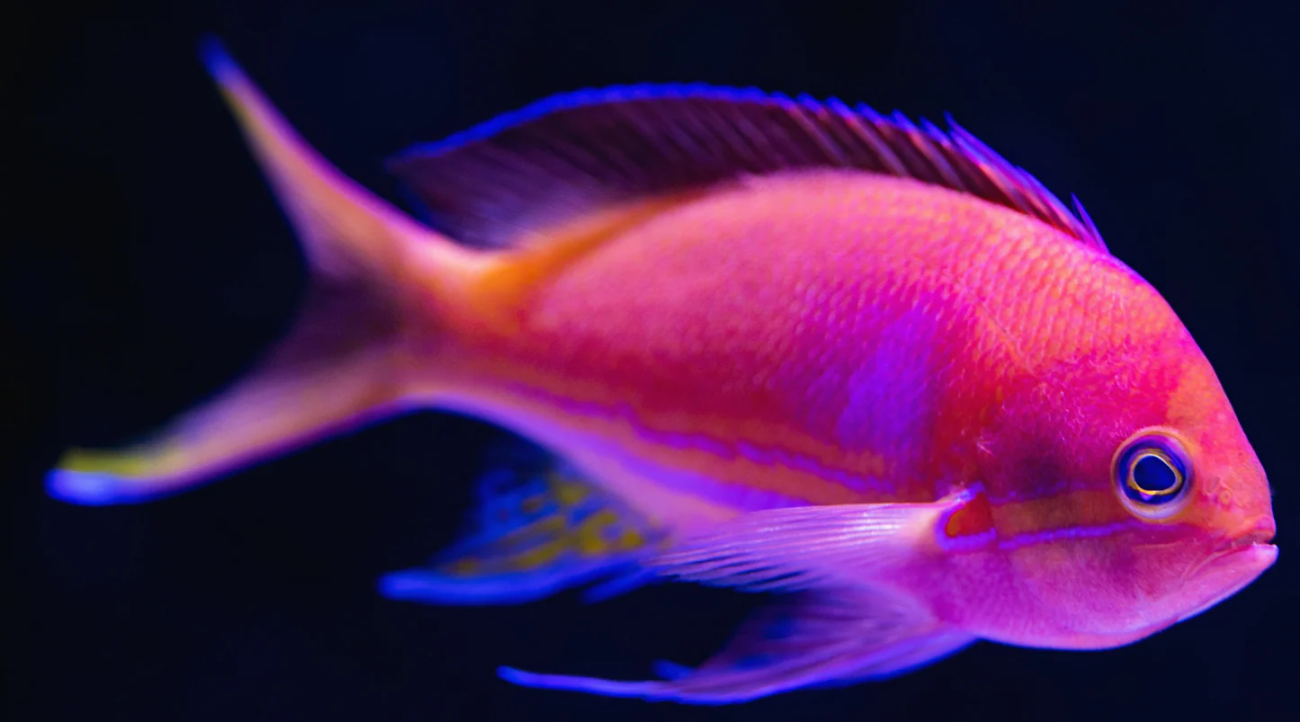
If you have an eye on those gorgeous Anthias at Dr. Reef’s Quarantined Fish, or maybe you already have some swimming in your tank. Either way, you’re probably wondering: what exactly do these beautiful fish eat? And more importantly, how do you keep them well-fed and healthy?
You must exactly know what to feed your Anthias, how often, and why. Getting them from Dr. Reef’s Quarantined Fish gives you a huge head start.
To understand what to feed your Anthias in a tank, let’s first look at what they eat in the ocean. This is important because we want to mimic their natural diet as closely as possible.
What Anthias Eat in the Wild
In their natural reef habitat, Anthias are planktivores. That’s a fancy word that means they eat zooplankton – tiny animals floating in the water.
Their natural diet includes:
- Copepods (tiny crustaceans – these are their favorite)
- Baby crustaceans and shrimp
- Fish eggs and roe
- Amphipods
- Rotifers
- Other tiny floating organisms
The Best Foods for Anthias in Your Aquarium
1. Live Foods
Live foods are the closest thing to what Anthias eat in nature, and they go absolutely crazy for them.
Live copepods: These are like candy for Anthias. They’ll swim around your tank, and your Anthias will hunt them down.
Live brine shrimp: Baby brine shrimp (newly hatched) are perfect size for most Anthias.
Live black worms: They’re nutritious and most Anthias will devour them. You can keep them in your fridge for a week or so.
Live rotifers: Smaller than copepods, these are great for smaller Anthias species.
Pro tip: Live foods trigger the Anthias’ natural hunting instincts, which keeps them active and engaged.
2. Frozen Foods
Frozen foods are the workhorse of Anthias feeding. They’re nutritious, easy to store, and most Anthias adapt to them really well.
Frozen mysis shrimp: High protein, good size, and they love it.
Frozen brine shrimp: Enriched brine shrimp (enhanced with vitamins) is better than regular. Great variety of food.
Frozen fish eggs/roe: Packed with nutrition and mimics part of their natural diet.
Frozen reef blends: It contains a mixture of ingredients perfect for Anthias.
Red plankton: A frozen food specifically designed for planktivores. Excellent choice for Anthias.
How to use frozen food:
Thaw a small portion in a cup of tank water, then pour it into your tank or use a turkey baster to target-feed your Anthias.
3. Pellets
Many Anthias can be trained to eat high-quality pellets.
Best pellets for Anthias:
- Spectrum pellets
- New Life Spectrum small fish pellets
- Hikari micro pellets
- Neptune Crossover Diet pellets
The trick with pellets:
Start by mixing them with their favorite frozen food. Over time, they’ll associate the pellets with food and start eating them on their own. Some Anthias pick it up in days, others take weeks. Be patient!
4. Flake Food
Some Anthias will accept high-quality flake food, especially Lyretails and other hardier species.
Flakes work well when mixed with other foods. They’re not a complete diet on their own, but they’re a great supplement and super easy to use in automatic feeders.
Species-Specific Feeding Notes:
Lyretail Anthias: They adapt well to pellets and frozen foods. Great starter species.
Bartlett’s Anthias: Very food-motivated. Will eat almost anything once acclimated.
Squareback Anthias: Hardy and adaptable.
The feeding might seem intensive, but it quickly becomes routine. Set up your auto-feeder, keep frozen food stocked, and before you know it, feeding your Anthias will be second nature.
And when you see those gorgeous fish swimming together, colors blazing, totally healthy and happy? You’ll know every bit of effort was worth it.
Good luck with your Anthias! They’re incredible fish that will bring your reef tank to life. And with DR.Reef’s quarantined, pre-trained fish, you’re starting with the best possible chance of success.