
Queen Angelfish

Queen Angelfish for Sale: Stunning Caribbean Marine Angel
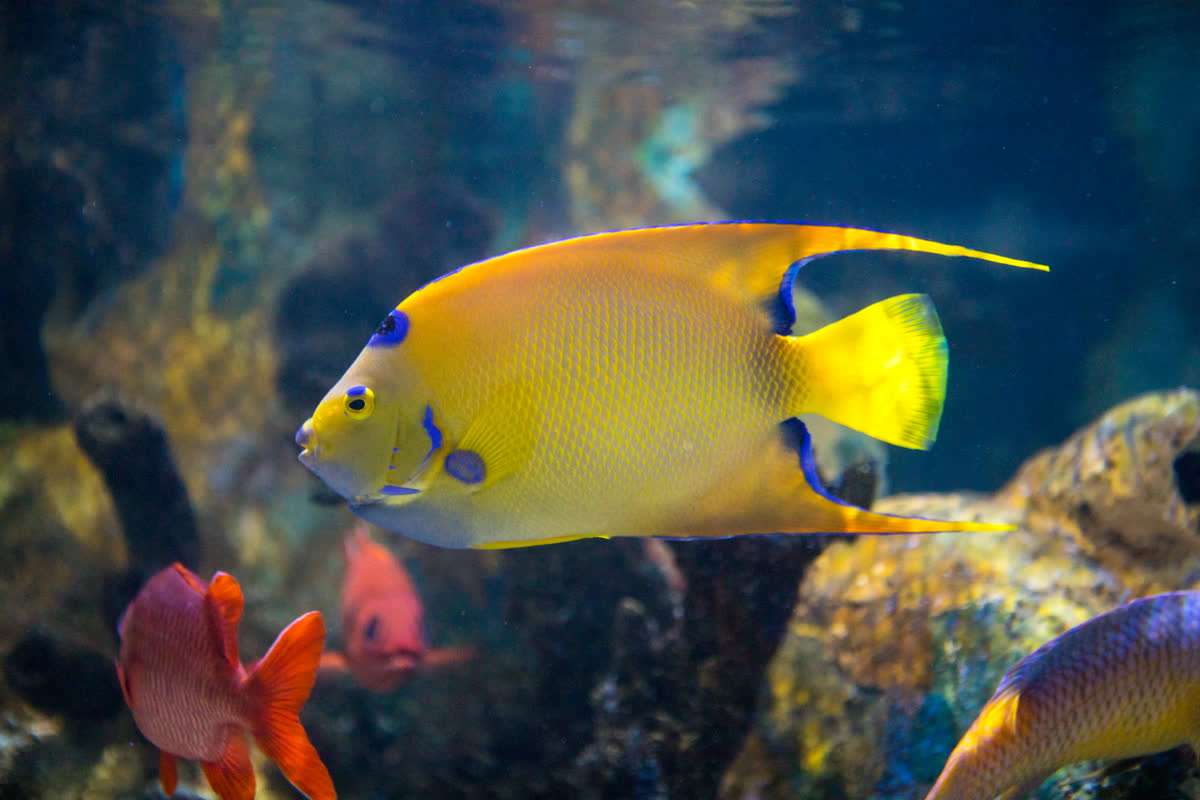
Among the large Angelfish species available in the marine hobby, the Queen Angelfish reigns supreme as one of the most breathtakingly beautiful fish in the entire ocean. Its electric blue and yellow coloration, regal bearing, and impressive size make it a true centerpiece fish that transforms any large aquarium into something extraordinary. At Dr. Reef’s Quarantined Fish, our Queen Angelfish are sourced from the Caribbean, fully quarantined, and conditioned to ensure they arrive healthy, eating, and ready to become the crown jewel of your display tank.
The Undeniable Beauty of the Queen Angelfish
The Queen Angelfish, known scientifically as Holacanthus ciliaris, earns its royal name through sheer visual magnificence. Its body is covered in scales that shimmer in a complex blend of electric blue, vivid yellow, and orange tones that shift and change depending on the angle of light striking them. A distinctive blue-ringed black spot on the forehead, called the crown, is the feature that gives this species its regal common name. No two Queen Angelfish display exactly the same intensity or arrangement of coloration, making each individual genuinely unique.
Juvenile Queen Angelfish look dramatically different from adults, displaying dark blue bodies adorned with curved yellow and white stripes that provide camouflage among the reef structure. Watching a juvenile Queen Angelfish gradually transition through its color phases to develop the full adult coloration is one of the most rewarding long-term experiences in the marine hobby.
Adult Queen Angelfish can reach 18 inches in length in the wild, though aquarium specimens typically reach 12 to 14 inches under ideal conditions. Their impressive size and bold, curious personality make them a fish that commands attention and respect in any system large enough to house them properly.
Caribbean Origin and Natural Behavior
Queen Angelfish are native to the warm, clear waters of the Western Atlantic and Caribbean Sea, ranging from Florida and the Bahamas down through the Gulf of Mexico and along the coasts of Central and South America. They inhabit coral reefs at depths ranging from just a few feet to over 200 feet, though they are most commonly encountered in the 10 to 60 foot range where coral growth is most abundant.
In the wild, Queen Angelfish feed primarily on sponges, which make up the vast majority of their natural diet. Supplementing their diet with sponge-containing angelfish preparations in captivity is important for their long-term health and coloration. They are bold, curious fish that often approach divers and snorkelers in their natural habitat, and this same confident, interactive personality translates beautifully into the home aquarium.
Why Quarantine Is Critical for Large Angelfish
Large Angelfish species like the Queen are among the most impressive fish in the hobby but also among the most expensive and difficult to replace if lost to disease. A Queen Angelfish that arrives sick or is introduced into a display tank without proper quarantine can crash in a matter of days from ich, velvet, or bacterial infection, representing a significant financial and emotional loss.
Dr. Reef’s Quarantined Fish removes this risk entirely. Every Queen Angelfish goes through a full 30-day quarantine period with daily health monitoring, proactive disease treatment, and careful food training. Each fish is confirmed eating a varied diet of frozen foods and prepared angelfish formulations before it ever ships to a customer. The difference in survival rates and long-term health between a properly quarantined Queen Angelfish and one purchased without quarantine is dramatic and well documented among experienced hobbyists.
Tank Requirements and Care
Queen Angelfish needs large aquariums. A minimum tank size of 180 gallons is recommended for a single adult specimen, with 250 gallons or more being strongly preferred for a fish that reaches over a foot in length and swims actively throughout the day. The tank should have both open swimming areas and extensive live rock with caves and overhangs where the fish can retreat and feel secure.
They are not reef safe and should be kept in fish-only with live rock systems. Queen Angelfish will eat soft corals, large polyp stony corals, clam mantles, and other sessile invertebrates without hesitation. They are best paired with other large, hardy fish of similar temperament such as large Tangs, Triggers, Groupers, and other Angelfish in systems large enough to reduce territorial conflict.
Feed a varied diet that includes frozen mysis shrimp, clam, mussel, high-quality angelfish preparations containing sponge, and dried seaweed for grazing. Feed twice daily and supplement with a refugium producing natural algae and invertebrates if possible. A well-fed Queen Angelfish will display the most intense and saturated coloration possible and reward you with years of spectacular beauty and interactive personality.