
Pistol Shrimp

Pistol Shrimp for Sale: Symbiotic Reef Tank Partners
Few things in the marine hobby are as captivating as watching a Pistol Shrimp and Goby pair share a burrow together. This remarkable symbiotic relationship between two completely different animals is one of nature’s most beautiful examples of teamwork, and it translates perfectly into the home aquarium. At Dr. Reef’s Quarantined Fish, we offer healthy, quarantined Pistol Shrimp that are ready to form one of the most entertaining partnerships your reef tank has ever seen.
What Is a Pistol Shrimp?
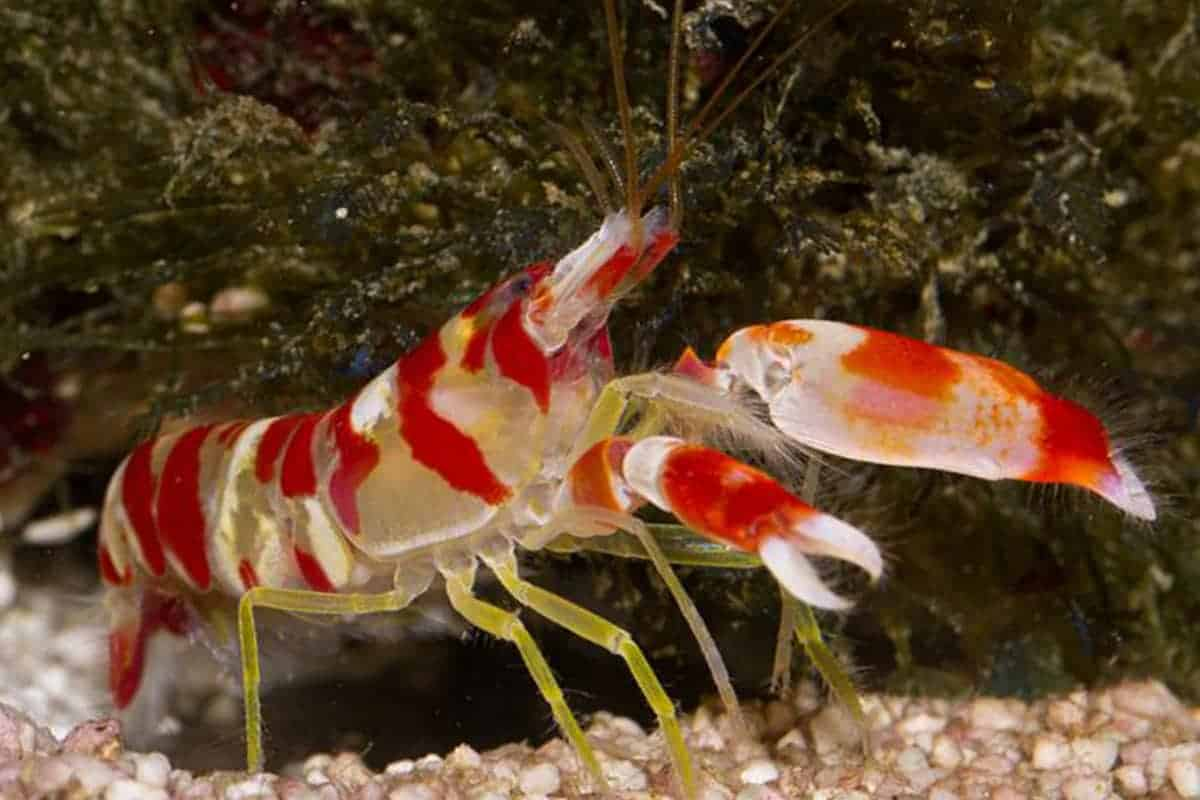
Pistol Shrimp, belonging to the family Alpheidae, are small crustaceans that possess one oversized snapping claw capable of producing a sound loud enough to stun or kill small prey. The snap is created not by the claw itself closing, but by a cavitation bubble that collapses with tremendous force and a distinctive popping or clicking sound. This mechanism is so powerful that it briefly generates a flash of light and a pressure wave strong enough to stun small fish and invertebrates.
Do not let that description alarm you. In the home aquarium, Pistol Shrimp are peaceful, industrious, and completely fascinating to observe. They spend most of their time excavating and maintaining burrows in the sand bed, and when paired with a watchful Goby partner, they create a dynamic and interactive display that reef keepers absolutely love.
Popular species available in the hobby include the Tiger Pistol Shrimp, the Randall’s Pistol Shrimp, and the Red Banded Pistol Shrimp. Each species has its own coloration and personality, but all make excellent symbiotic partners for compatible Goby species.
The Pistol Shrimp and Goby Relationship
The partnership between a Pistol Shrimp and a watchdog Goby is one of the most studied and celebrated examples of mutualistic symbiosis in the ocean. The Pistol Shrimp, which has very poor eyesight, does all the excavation work, constantly digging and maintaining a shared burrow in the sand. The Goby, which has excellent vision, stands guard at the burrow entrance and watches for predators. The two animals stay in constant physical contact using their antennae and body, allowing the shrimp to sense the Goby’s movements and react instantly to any danger signals.
In return for the Goby’s protection, the Pistol Shrimp provides both animals with a safe, well-maintained home. This relationship benefits both partners equally and represents a level of cooperation that is genuinely remarkable to observe happening live in your own aquarium.
Compatible Goby species for pairing with Pistol Shrimp include the Watchman Goby, the Hi Fin Red Banded Goby, the Wheeler’s Goby, and the Yasha Goby. At Dr. Reef’s Quarantined Fish, you can often find compatible pairs already conditioned and familiar with each other, which dramatically increases the speed at which they will pair up and begin burrowing in your tank.
Why Quarantined Pistol Shrimp Matter
Invertebrates like Pistol Shrimp are often overlooked when hobbyists think about quarantine, but they can absolutely carry and introduce disease into a display tank. Beyond disease concerns, shrimp that are not properly conditioned after collection may arrive dehydrated, stressed, and unwilling to eat, which significantly reduces their survival rate in the first critical weeks after purchase.
Dr. Reef’s Quarantined Fish gives every Pistol Shrimp the same careful attention given to fish. Each animal is acclimated properly, observed for health and activity, and confirmed eating before it ships. This care during the conditioning period makes a real and measurable difference in long-term survival and behavior.
Tank Setup and Care Tips
Pistol Shrimp need a sand bed of at least three inches deep to dig and maintain their burrows effectively. A finer sand grain is preferable because it holds burrow structure better than coarse rubble. Live rock placed near the burrow site gives the pair additional security and anchor points for their excavation work.
Feed your Pistol Shrimp meaty foods like frozen mysis shrimp, brine shrimp, and small pieces of clam or mussel. They are opportunistic feeders that will also scavenge uneaten food from the sand bed, helping to keep the substrate clean. Feed once or twice daily and make sure food reaches the sand level where the shrimp spends most of its time.
Water parameters should be stable and pristine. Pistol Shrimp are sensitive to copper-based medications, so never use copper treatments in any tank housing these animals.