

Blog
Peacock Mantis Shrimp Cost

How Much Does a Peacock Mantis Shrimp Cost? A Complete Pricing Breakdown
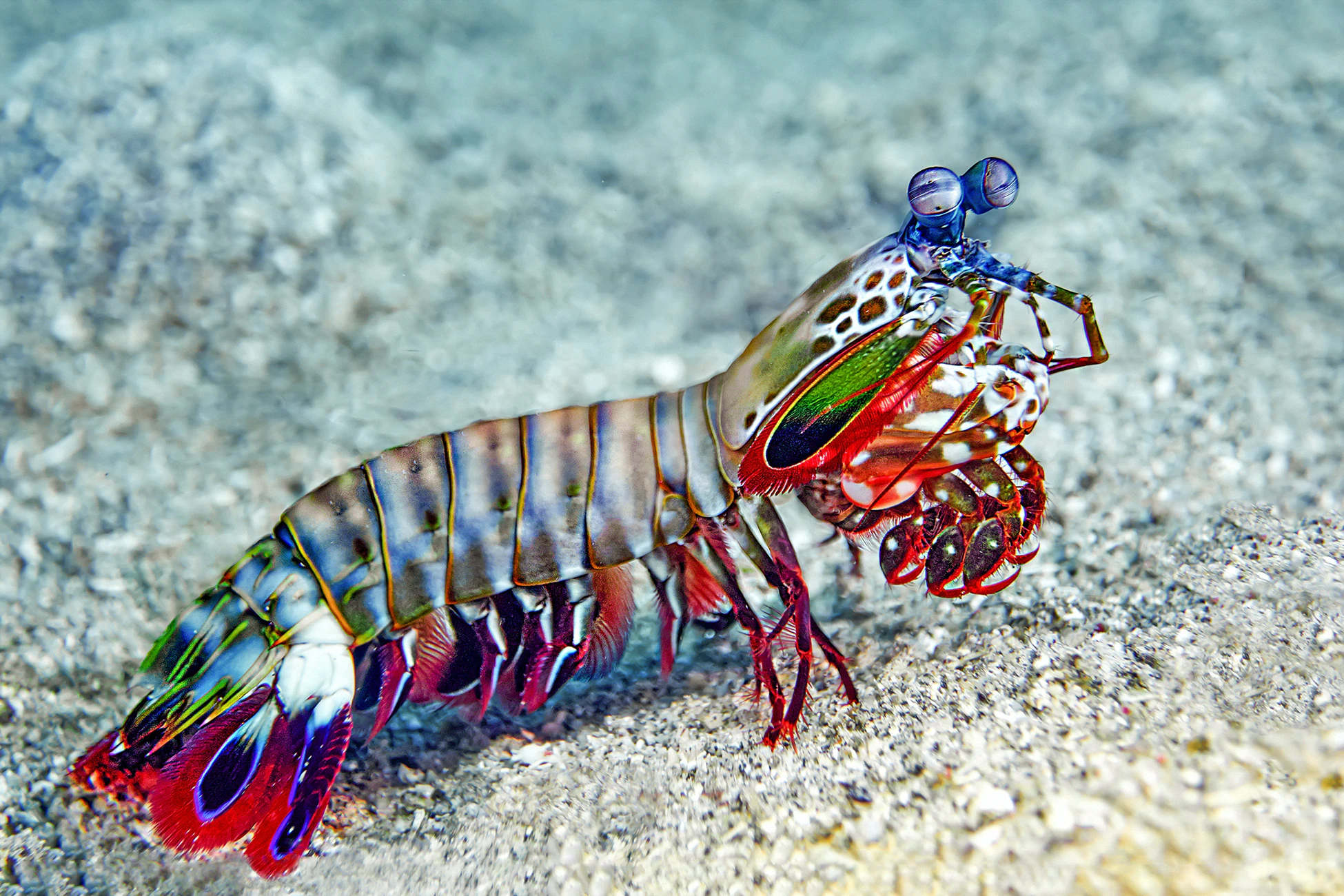
If you’ve been captivated by videos of mantis shrimp’s rainbow colors and explosive strikes, you’re probably wondering what it costs to own one of these incredible crustaceans. Understanding the full financial picture helps you prepare properly for one of the marine hobby’s most unique invertebrates.
The Base Price: What to Expect
At Dr. Reef’s Quarantined Fish, peacock mantis shrimp are priced at $149.99. This might seem higher than some marine fish, but peacock mantis shrimp aren’t ordinary aquarium inhabitants. They’re highly intelligent predators with specialized needs and behaviors that set them apart from virtually every other creature you can keep.
The pricing reflects more than just the animal itself. You’re receiving a specimen that has been carefully quarantined, observed feeding regularly on appropriate prey items, and verified free from the parasites and bacterial issues that commonly affect newly imported invertebrates. This upfront health investment saves you from the heartbreak and expense of dealing with sick or dying specimens.
Why Mantis Shrimp Pricing Varies
Color intensity dramatically affects value. Peacock mantis shrimp with brilliant greens, electric blues, and vibrant reds are more desirable than pale individuals. The most stunning specimens command premium prices because their visual impact is simply breathtaking.
Most significantly, quarantine status creates major price differences. Specimens rushed from ocean to aquarium without proper observation periods may cost less initially but carry substantial hidden costs in potential losses and disease treatment.
The Hidden Costs: Tank Setup Requirements
The sticker price represents just the beginning of your investment. These powerful predators demand specialized housing that standard fish tanks cannot provide. Their famous strike can crack or shatter regular aquarium glass, meaning you’ll need either heavy-duty glass or acrylic construction.
Plan on dedicating a 30 to 50 gallon tank exclusively to your mantis. These are species-only animals that will kill and eat virtually any tankmate you introduce. A complete setup ready for a mantis shrimp generally runs $400 to $800 depending on your choices and whether you’re starting from scratch or repurposing existing equipment.
Ongoing Feeding Expenses
Peacock mantis shrimp are obligate carnivores with hearty appetites. They need regular meals of meaty foods like frozen shrimp, pieces of fish, live feeder shrimp, snails, and small crabs. Budget approximately $25 to $50 monthly for quality frozen foods and occasional live prey items.
Calculating True Cost of Ownership
When you factor in the initial $149.99 for a quarantined peacock mantis, $500 average for proper housing setup, and approximately $35 monthly for food, your first year investment approaches $1,000. Over a five year lifespan, you’re looking at roughly $2,800 total investment. That breaks down to about $47 monthly for one of the animal kingdom’s most remarkable predators living in your home.
What Makes the Investment Worthwhile
Peacock mantis shrimp aren’t passive decorations. They’re active, intelligent animals that interact with their environment and their keepers. They’ll recognize you as their food source, often rushing to the front of the tank when you approach. Watching a mantis shrimp stalk prey, rearrange its burrow, or simply rest at the entrance surveying its domain provides endless entertainment.
The vibrant coloration of peacock mantis rivals any reef fish. Neon greens, electric blues, and brilliant oranges cover their bodies in patterns that shift and shimmer as they move.
At $149.99 from Dr. Reef’s Quarantined Fish, you’re making a calculated investment in quality and longevity. Our quarantine protocols mean your mantis arrives healthy, acclimated, and ready to establish itself in your prepared tank. For a creature as specialized and demanding as a peacock mantis shrimp, starting with a healthy specimen from a trusted source is the only approach that makes financial and ethical sense.