
Marbled Catshark for Sale: Shark Tank Requirements and Feeding Guide

Marbled Catshark for Sale: Shark Tank Requirements and Feeding Guide
There is something undeniably thrilling about keeping a shark in your home aquarium. The Marbled Catshark makes that dream accessible without requiring a commercial-sized tank or a marine biologist on staff. It is compact by shark standards, fascinating to watch, and one of the most manageable sharks available to home hobbyists. But make no mistake. This is still a shark, and it demands a setup built specifically around its needs. Here is your complete guide.
What Is the Marbled Catshark?
The Marbled Catshark, known scientifically as Atelomycterus macleayi, is a small bottom-dwelling shark native to Australian coastal waters. It belongs to the family Scyliorhinidae, the catsharks, which are some of the most commonly kept sharks in the home aquarium hobby.
What Does It Look Like?
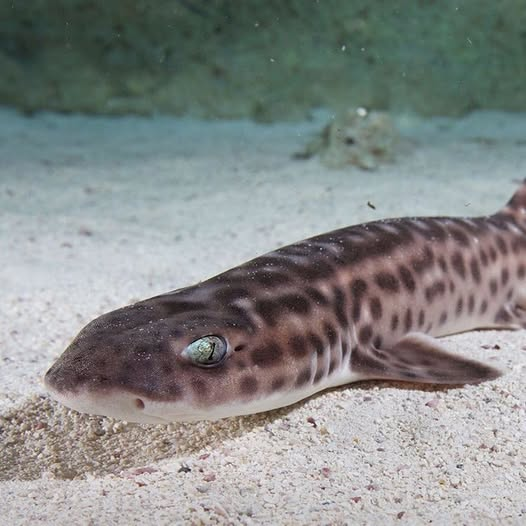
The Marbled Catshark has a slender, elongated body covered in a bold pattern of dark brown spots and marbling on a lighter tan or cream background. The pattern is striking and unique to each individual fish. Adults have a sleek, muscular build that looks exactly like what it is. A miniature shark built for hunting along the seafloor.
How Big Does the Marbled Catshark Get?
Adult Size
The Marbled Catshark reaches approximately 24 to 28 inches as an adult. This is considered small for a shark species, which is exactly what makes it one of the more realistic options for serious home hobbyists.
Growth Rate
Growth is gradual. Juveniles sold in the hobby are often 6 to 10 inches. They grow steadily over several years before reaching adult size.
Tank Requirements
Minimum Tank Size
This is the most important factor when setting up for a Marbled Catshark. A minimum of 180 gallons is required for an adult. Many experienced shark keepers recommend 200 to 300 gallons to give the animal adequate swimming and roaming space.
Tank Shape Matters
Long, wide tanks work far better than tall, narrow ones. The Marbled Catshark is a bottom dweller that needs floor space, not water column height. A tank that is 6 feet long and 2 to 3 feet wide gives this fish a proper environment to patrol and rest comfortably.
Tank Bottom and Decor
Use a fine sand substrate. Bare glass bottoms stress sharks over time and can damage their undersides. Keep decor minimal and smooth. Avoid sharp rock edges that can injure the shark as it moves along the bottom. Provide a cave or two for shelter since catsharks love to hide and rest during daylight hours.
Filtration Requirements
Sharks are heavy waste producers. Oversized filtration is essential. Run a protein skimmer rated well above your tank volume. Add a large sump with biological filtration media. Regular water changes of 20 to 25 percent weekly are strongly recommended, especially in the first year.
Water Parameters
Temperature between 68 and 74 degrees Fahrenheit. Salinity at 1.022 to 1.025. pH between 8.1 and 8.3. Oxygen levels must stay high. Strong surface agitation or a good return pump keeps oxygen saturation where it needs to be.
Feeding the Marbled Catshark
What Does It Eat in the Wild?
In the wild, Marbled Catsharks hunt along the seafloor for small fish, crustaceans, cephalopods, and invertebrates. They are ambush predators that use smell and electroreception to locate prey in low-light conditions.
What to Feed in Captivity
Offer a rotating menu of fresh or frozen silversides, squid, shrimp, and other meaty marine foods. Cut food into appropriately sized pieces that the shark can swallow easily without excessive struggling.
How Often to Feed
Feed juveniles every two to three days. Adults can be fed every three to four days. Overfeeding is a common mistake that spikes ammonia and causes digestive stress. Less frequent, appropriately sized meals are healthier than daily small offerings.
Feeding Method
Use long feeding tongs or a feeding stick to present food near the shark’s nose. Never hand-feed a shark directly. Even a small catshark has strong jaws and rough skin that can cause injury.
Will It Eat Prepared Foods?
Most Marbled Catsharks can be transitioned to frozen foods over time. Start with fresh foods and introduce thawed frozen options gradually. A well-established feeding response makes this transition easier.
Tank Mates
What Can Live With a Marbled Catshark?
The Marbled Catshark is a predator. Any fish or invertebrate small enough to fit in its mouth is a potential meal. Suitable tankmates are large, robust fish that cannot be swallowed. Think large Groupers, big Triggers on the calmer side, and large Lionfish.
What to Avoid
Avoid small fish entirely. Avoid any invertebrates you value. Avoid fish with long, flowing fins that could tempt the shark to nip. And avoid other sharks of similar size unless the tank is extremely large and introductions are carefully managed.
Marbled Catshark Pricing at Dr. Reef’s
At Dr. Reef’s Quarantined Fish, the Marbled Cat Shark is priced at $499.99. That price reflects a professionally quarantined specimen that has been health-screened and properly prepared before shipping.
For an animal this specialized and at this investment level, the quarantine process is not optional. A stressed or sick shark arriving in your tank can deteriorate rapidly, and the cost of losing a $499.99 animal to a preventable disease is devastating. Dr. Reef’s eliminates that risk with their thorough pre-ship quarantine on every specimen.
Quick Q and A
Q: Is the Marbled Catshark a good beginner shark?
A: It is one of the more manageable sharks for experienced marine hobbyists. It is not recommended for true beginners due to its tank size requirements and specialized care needs.
Q: How long does a Marbled Catshark live in captivity?
A: With proper care, Marbled Catsharks can live 10 to 15 years in captivity. This is a long-term commitment.
Q: Can a Marbled Catshark live in a reef tank?
A: No. It will eat any invertebrate it can catch and stress corals through physical contact and water quality demands. A fish-only system is the correct setup.
Q: What size tank does a Marbled Catshark need?
A: A minimum of 180 gallons for an adult. Long, wide tanks are far better than tall narrow ones for this bottom-dwelling species.
Q: How much does the Marbled Catshark cost at Dr. Reef’s?
A: Dr. Reef’s Quarantined Fish currently lists the Marbled Cat Shark at $499.99 with professional quarantine included.
Q: Can I keep two Marbled Catsharks together?
A: Possible in very large systems of 300 gallons or more. Same-sex pairs tend to do better than mixed-sex pairs in most home setups.
Your Complete Fish Care Recap
The Marbled Catshark is one of the most rewarding fish in the entire hobby for hobbyists ready to meet its needs. It is a genuine shark in a size that fits a serious home aquarium. It eats well, moves beautifully, and brings a level of drama and excitement to a tank that almost nothing else can match. At $499.99 from Dr. Reef’s Quarantined Fish, you are investing in a professionally quarantined specimen backed by a team that knows exactly how to prepare this animal for a long, healthy life in your system.