
Mandarin Dragonet for Sale: Why They Are Hard to Keep Alive

Mandarin Dragonet for Sale: Why They Are Hard to Keep Alive
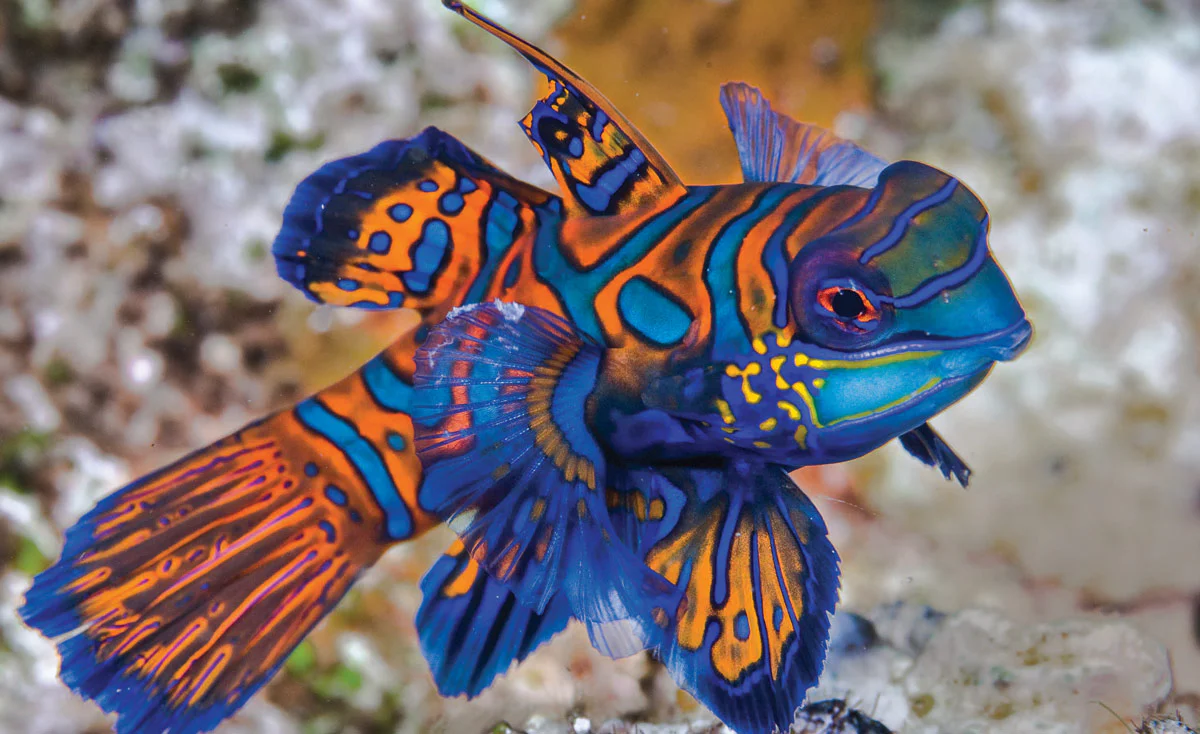
The Mandarin Dragonet might be the most beautiful fish in the entire saltwater hobby. Its swirling electric blue, orange, and green psychedelic pattern looks hand-painted by someone who had no intention of being subtle. It is also one of the most frequently killed fish in the hobby. Not out of neglect. Not out of bad intentions. Out of a simple lack of understanding about what this fish actually needs to survive. This guide tells you the truth about Mandarin Dragonets, why so many die unnecessarily, and how to be one of the hobbyists who keeps them alive and thriving for years.
What Is the Mandarin Dragonet?
The Mandarin Dragonet belongs to the family Callionymidae and is native to the Pacific Ocean from the Ryukyu Islands down through Australia. Its scientific name is Synchiropus splendidus and it earns that name completely. It is a bottom-dwelling, slow-moving fish that glides along rockwork and rubble searching for tiny live prey throughout the day.
Why Is the Mandarin Dragonet So Hard to Keep?
The Feeding Problem
This is the core issue that kills most Mandarin Dragonets. In the wild, they eat live copepods and amphipods almost exclusively. These are tiny crustaceans that live in and around live rock and reef rubble. A Mandarin needs to eat dozens of these microscopic creatures every single day to meet its caloric needs.
Why Standard Aquarium Foods Often Fail
Most prepared aquarium foods are too large, the wrong shape, or simply not recognized as food by a wild-caught Mandarin. Frozen mysis shrimp, flakes, and pellets mean nothing to a fish hardwired to hunt tiny living prey. A wild-caught Mandarin placed in a tank without a thriving live copepod population will slowly starve to death even in a tank full of frozen food.
The Copepod Population Challenge
A mature, well-established reef tank with substantial live rock develops a natural copepod population in the substrate and rock. But a single Mandarin can consume that population faster than it regenerates, especially in smaller systems. This leads to a slow starvation that is genuinely heartbreaking because the fish can look healthy right up until it does not.
Why Captive Bred Mandarins Change Everything
Here is the single most important buying decision you can make with this species. Captive bred Mandarin Dragonets raised by quality operations are conditioned to eat frozen foods before they are ever sold. That single difference transforms this fish from one of the hardest in the hobby to one of the most rewarding.
Dr. Reef’s Quarantined Fish carries an outstanding lineup of captive bred Mandarin options specifically for this reason.
Mandarin Dragonet Varieties and Pricing at Dr. Reef’s
Mandarin Blue/Green Wild Caught
Priced at $79.99 to $91.99. The classic psychedelic blue and green coloring in its wild-caught form. Best suited for experienced hobbyists with large, mature reef systems packed with live copepods and a dedicated supplemental feeding plan.
Mandarin Spotted
Priced at $49.99 to $57.99. A more affordable entry point into the dragonet hobby with its own distinct spotted patterning. Care requirements are similar to the standard Mandarin.
Priced at $69.99 to $80.99. A gorgeous warm-toned alternative to the classic blue-green Mandarin with equally stunning coloring and the same feeding challenges in wild-caught form.
Mandarin Red Wild Caught
Priced at $69.99 to $80.99. Rich red and orange tones replace the typical blue-green palette for a dramatically different look.
Mandarin Red Captive Bred
Priced at $99.99 to $114.99. The captive bred advantage applied to the stunning red color form. These fish are conditioned to accept prepared foods and give hobbyists a genuinely manageable path to keeping this species successfully.
Mandarin Blue/Green Captive Bred
Rated 5 stars by verified buyers and priced at $129.99 to $229.99. The flagship captive bred option and the strongest recommendation for most hobbyists who want a Mandarin Dragonet with the best possible chance of long-term survival. The price range reflects size and individual specimen quality.
Tank Requirements for Mandarin Dragonets
Tank Size
A minimum of 30 gallons for captive bred specimens conditioned to frozen foods. Wild-caught Mandarins need larger, more mature systems of 75 gallons or more with established copepod colonies.
Mature Live Rock
Substantial live rock with a thriving microfauna population is essential, especially for wild-caught fish. The more established the live rock, the more copepods and amphipods it supports.
Refugium
A refugium connected to the main display is highly recommended for wild-caught Mandarins. Growing chaeto algae in the refugium creates a safe space for copepods to breed and repopulate the display tank on a continuous cycle.
No Aggressive Tankmates
Mandarins are slow, passive fish. Any aggressive or fast-feeding tankmate will outcompete them for food and stress them into starvation. Keep them with equally peaceful species in a calm reef environment.
Feeding Strategy for Wild Caught Mandarins
Broadcast freeze-dried or live copepods directly into the tank daily. Use a refugium to maintain continuous copepod supply. Attempt frozen food training using a feeding wand with tiny portions of frozen copepods at the same time and place each day. Patience and consistency are the keys to a successful food transition.
Why Dr. Reef’s Quarantined Mandarins Are the Smarter Choice
Every Mandarin at Dr. Reef’s has been through professional quarantine. The captive bred options arrive already eating prepared foods. The wild-caught options arrive past the most dangerous phase of shipping stress. That combination dramatically increases survival rates compared to buying from a store that ships straight from the importer with zero quarantine time.
Quick Q and A
Q: What is the easiest Mandarin Dragonet to keep alive?
A: The captive bred Mandarin Blue/Green at $129.99 to $229.99 from Dr. Reef’s is the top recommendation. It is conditioned to frozen foods and backed by a 5-star verified buyer rating.
Q: Can I keep a Mandarin in a 20-gallon tank?
A: Not recommended. A minimum of 30 gallons for captive bred fish eating frozen foods. Wild-caught fish need much larger, well-established systems.
Q: How do I know if my Mandarin is eating enough?
A: A healthy, well-fed Mandarin has a rounded belly. A fish with a pinched or sunken abdomen is not getting enough food and needs immediate intervention.
Q: What is the difference between the wild-caught and captive bred Mandarin at Dr. Reef’s?
A: Wild-caught options start at $69.99 to $91.99 and require live copepod feeding. Captive bred options at $99.99 to $229.99 are conditioned to accept prepared foods, making long-term care dramatically more manageable.
Q: Do I need a refugium to keep a Mandarin?
A: For wild-caught fish, a refugium is strongly recommended to maintain copepod supply. For captive bred fish eating frozen foods, a refugium is helpful but not strictly required.
Q: Is the Ruby Red Dragonet easier to keep than a standard Mandarin?
A: Care requirements are similar. The $69.99 to $80.99 Ruby Red Dragonet from Dr. Reef’s has the same feeding considerations as other wild-caught dragonets.
Expert Tips for Healthy Fish
The Mandarin Dragonet is not an impossible fish. It is a misunderstood fish that dies when sold to unprepared hobbyists by sellers who skip the quarantine process and say nothing about its feeding needs. Dr. Reef’s Quarantined Fish solves both problems with professional quarantine and captive bred options that give every hobbyist a real path to success with this breathtaking species. Visit Dr. Reef’s Quarantined Fish today and find the Mandarin that fits your tank and your experience level.