
Lionfish for Sale: Care Guide, Venom Safety, Diet and Tank Setup (2026)

Lionfish for Sale: Care Guide, Venom Safety, Diet and Tank Setup (2026)
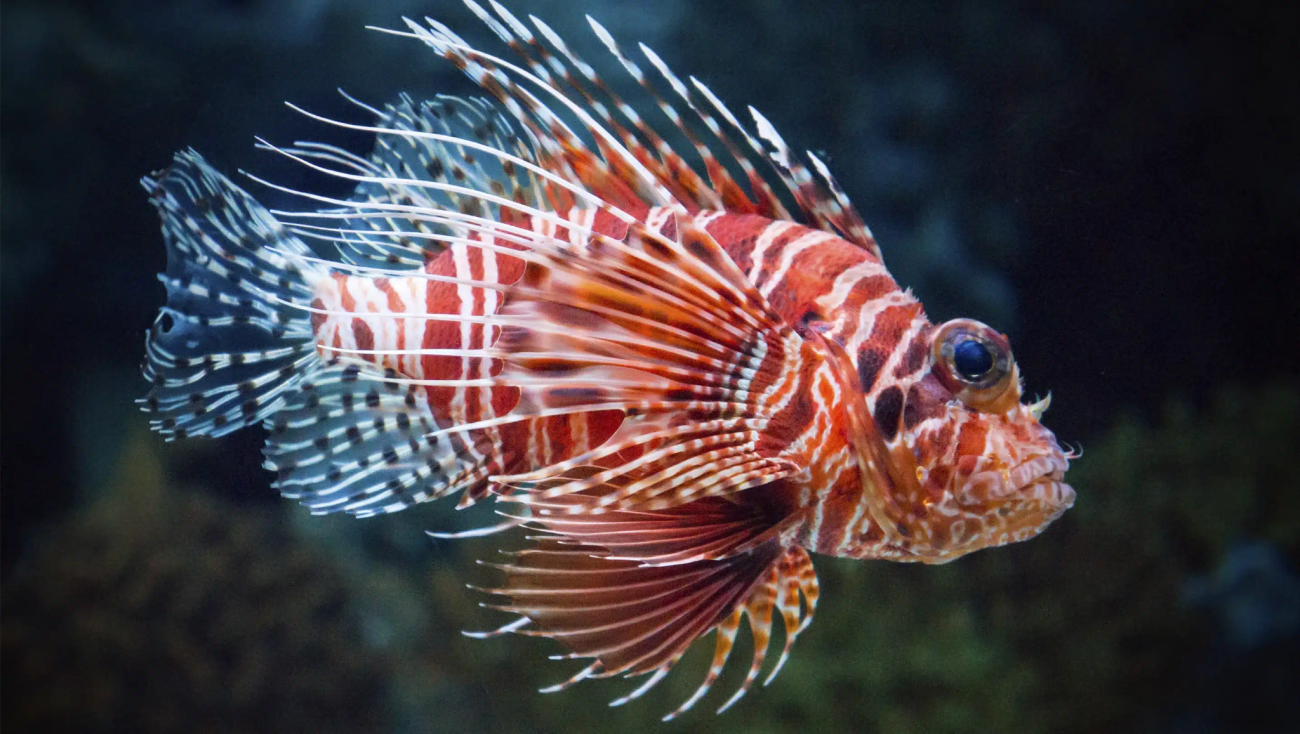
Few fish command attention the way a Lionfish does. The moment one glides into view, with its dramatic fins fanned out and its confident slow-motion swagger, every other fish in the tank becomes background. The Lionfish is one of the most visually spectacular animals in the entire saltwater hobby. It is also venomous, which makes it one of the most misunderstood. This complete 2026 care guide covers everything you need to know before bringing one home.
What Is a Lionfish?
Lionfish belong to the family Scorpaenidae and are native to the Indo-Pacific Ocean. They are ambush predators that use camouflage and patience to hunt rather than speed. Their most recognizable feature is a dramatic array of elongated dorsal spines that deliver venom when touched. They are not aggressive hunters toward humans. The venom is purely defensive.
Are Lionfish Dangerous to Keep?
The honest answer is yes, with proper respect and the right habits, they are completely manageable. Thousands of hobbyists keep Lionfish safely every single year.
How Venomous Are They?
Lionfish venom causes intense pain, swelling, and in rare cases more serious symptoms in people with sensitivities. It is not typically life-threatening for healthy adults but it demands serious respect. A sting is not something you want to experience.
How to Avoid Getting Stung
Never put bare hands in a tank with a Lionfish. Use long aquarium gloves for any maintenance. Use a clear acrylic shield or a container to guide the fish during tank work. Move slowly and deliberately around these fish. Sudden movements stress them and increase risk.
What to Do If Stung
Immerse the affected area in hot water, as hot as you can tolerate without burning, for 30 to 90 minutes. Heat breaks down the protein-based venom. Seek medical attention for severe reactions, especially if the person has allergies or sensitivities.
Lionfish Varieties Available at Dr. Reef’s
Dr. Reef’s Quarantined Fish carries three outstanding Lionfish options for hobbyists at different experience levels and with different tank setups in mind.
The Fu Manchu Lionfish is one of the most unique and visually distinct Lionfish species available. It features elaborate facial appendages that give it an almost alien appearance, along with the classic dramatic fin array. Priced at $159.99 to $183.99. It stays smaller than many Lionfish species, making it suitable for mid-sized systems.
The Fuzzy Dwarf Lionfish is one of the most popular Lionfish in the hobby for good reason. It stays compact at around 6 inches, has a wonderfully textured, fuzzy appearance, and fits comfortably in tanks as small as 30 gallons. It is considered one of the best entry-level Lionfish for hobbyists ready to step into this category. Priced at $139.99 to $160.99.
The Volitan Lionfish is the classic, iconic Lionfish that most people picture when they hear the name. It grows larger, up to 15 inches, and makes an absolutely commanding display fish. The Colored variant features particularly vivid banding and contrast. Priced at $139.99 to $160.99. This fish needs a large tank and an experienced keeper who understands its size and feeding demands.
Tank Size Requirements
Fuzzy Dwarf and Fu Manchu
Both smaller species can be kept in tanks starting at 30 to 55 gallons. They are among the most apartment-friendly predator fish in the hobby.
Volitan Lionfish
The Volitan needs a minimum of 120 gallons as an adult. Its size, waste production, and swimming needs serious space.
Tank Setup
Lionfish are ambush predators that spend most of their time hovering near rockwork waiting for prey to come within striking distance. Provide plenty of caves, overhangs, and ledges where the fish can position itself comfortably. Subdued lighting mimics their natural reef environment and often encourages more relaxed, natural behavior.
Strong filtration and a quality protein skimmer are essential. Lionfish eat heavily and produce significant waste. A large sump with biological filtration media keeps water quality stable between water changes.
Feeding Your Lionfish
What Do They Eat in the Wild?
In the wild, Lionfish eat live fish, shrimp, and crustaceans. They stalk and ambush prey using their pectoral fins to herd targets before striking with explosive speed.
Transitioning to Frozen Foods
One of the most important steps in Lionfish keeping is transitioning the fish from live prey to frozen foods. This is critical for long-term health and practical management. Use a feeding stick or tongs to dangle thawed frozen silversides or shrimp in front of the fish, mimicking movement. Most Lionfish make the transition within a few weeks of consistent training.
How Often to Feed
Feed adults two to three times per week. Overfeeding is a common mistake that causes fatty liver disease and dramatically shortens the fish’s lifespan. Less is more with Lionfish feeding.
Lionfish Compatibility
Lionfish are not reef safe. They will eat any fish or invertebrate small enough to swallow. Tankmates must be large enough that the Lionfish cannot fit them in its mouth. Good options include large Eels, large Groupers, and large Triggers. Avoid small fish entirely.
Why Buy From Dr. Reef’s Quarantined Fish?
A Lionfish that arrives sick, stressed, or refusing food is a serious problem. Dr. Reef’s Quarantined Fish quarantines every fish thoroughly before shipping. Their Lionfish arrive eating, healthy, and past the initial stress of transport. That head start makes an enormous difference with a predator fish that can be stubborn about accepting frozen foods during stressful transitions.
Quick Q and A
Q: Which Lionfish is best for beginners?
A: The Fuzzy Dwarf Lionfish at $139.99 to $160.99 from Dr. Reef’s is the most beginner-friendly option. Its smaller size, simpler care, and manageable tank requirement make it the ideal starting point.
Q: Can Lionfish live in a reef tank?
A: No. They will eat fish and invertebrates. A fish-only with live rock setup is the correct environment.
Q: How do I transition my Lionfish to frozen food?
A: Use a feeding stick to mimic movement with thawed silversides or shrimp. Consistency and patience over two to four weeks converts most Lionfish successfully.
Q: What is the difference between the Fu Manchu and the Fuzzy Dwarf?
A: The Fu Manchu at $159.99 to $183.99 has distinctive facial appendages and a more exotic look. The Fuzzy Dwarf at $139.99 to $160.99 has a textured, rounded appearance and is slightly more forgiving for new Lionfish keepers.
Q: Is the Volitan Lionfish safe for a 75-gallon tank?
A: Not long-term. The Volitan grows up to 15 inches and needs a minimum of 120 gallons as an adult.
Q: Where is the best place to buy a Lionfish online in 2026?
A: Dr. Reef’s Quarantined Fish offers three professionally quarantined Lionfish varieties with transparent pricing and real pre-ship health screening.
Final Takeaways on Fish Care
The Lionfish is one of the most dramatic, rewarding, and genuinely thrilling fish you can add to a saltwater system. Whether you choose the compact Fuzzy Dwarf at $139.99 to $160.99, the exotic Fu Manchu at $159.99 to $183.99, or the iconic Volitan Colored at $139.99 to $160.99, buying from Dr. Reef’s Quarantined Fish gives you a healthy, quarantined specimen ready to become the most talked-about fish in your tank. Visit Dr. Reef’s Quarantined Fish today and find your perfect Lionfish.