

Lineatus Wrasse for Sale: Why This Wrasse Is One of the Most Expensive Reef Fish

Lineatus Wrasse for Sale: Why This Wrasse Is One of the Most Expensive Reef Fish
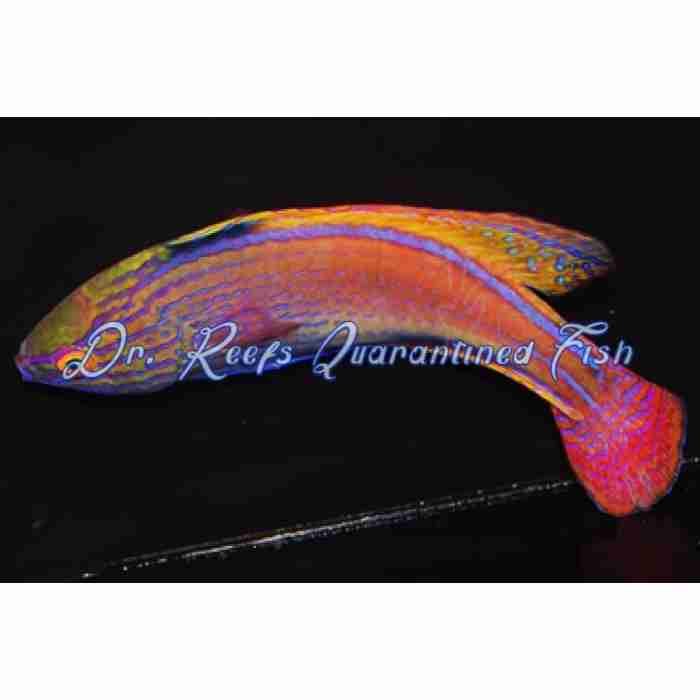
When reef hobbyists talk about bucket list fish, the Lineatus Wrasse comes up often. It is one of the most visually stunning wrasses in the world. It is also expensive, wild-caught, and not always easy to find in good condition.
Here is everything you need to know before making the investment.
What Is the Lineatus Wrasse?
The Lineatus Wrasse (Cirrhilabrus lineatus) is a fairy wrasse from the deeper reef zones of Australia and the southwestern Pacific. Males are breathtaking: a vivid orange-red body with horizontal blue and white lines running from head to tail, and flowing fins that shimmer under aquarium lighting. Females are considerably less colorful but still attractive.
It maxes out around 5 inches and is one of the larger fairy wrasses, which contributes to its bold visual presence in the tank.
Lineatus Wrasse for Sale at Dr. Reef’s
The Lineatus Wrasse is available at Dr. Reef’s Quarantined Fish. This is a species where buying a quarantined, eating specimen is not just preferable but practically essential. Wild-caught Lineatus Wrasses that have not been properly managed can be difficult to transition to prepared foods and are vulnerable to shipping stress.
Why Is It So Expensive?
A few factors combine to push the price of the Lineatus Wrasse above most other reef fish:
- It is not captive-bred, so supply depends entirely on collection from the wild
- It comes primarily from Australia, which has strict export regulations that limit supply
- Collection requires diving to depths of 60 to 120 feet, adding cost to every fish
- The visual quality of a full-color male is genuinely exceptional, creating strong demand
- Mortality during shipping is higher than average, so vendors price accordingly
This is not artificial scarcity. The price reflects real constraints in how this fish reaches the market.
Care Requirements
The Lineatus Wrasse needs a minimum of 75 gallons, though 100 gallons or more is better. It is an active swimmer and needs open water to move freely. Provide a tight-fitting lid because fairy wrasses are jumpers, and a missing Lineatus Wrasse is an expensive loss.
Feed it two to three times daily with frozen mysis, enriched brine shrimp, and quality marine pellets. Once eating well, it stays on prepared foods without issue. Water parameters should sit in the standard reef range with stable, high-quality chemistry.
Is It Reef Safe?
Yes. The Lineatus Wrasse is fully reef safe and will not harm corals or most invertebrates. Like all wrasses it may eat very small ornamental shrimp, so keep that in mind if you have small cleaner shrimp or peppermint shrimp in the tank.
Common Questions
Can I keep multiple males? Only in very large tanks, 200 gallons or more, with plenty of territory. Two males in a smaller space will fight. One male with one or two females works well.
How do I get it eating? Start with live or frozen brine shrimp and transition to mysis over time. Most quarantined specimens from reputable vendors are already eating when they ship.
Is it worth the money? For hobbyists who want a centerpiece fish with no equal for color and fin display in the fairy wrasse family, yes. For hobbyists on a tight budget, there are easier and cheaper options.
A Fish That Earns Its Price
Not many fish in the reef hobby genuinely justify a high price just on visual impact alone. The male Lineatus Wrasse is one of them. The combination of rich color, flowing fins, and active swimming behavior makes it one of the most impressive fish you can keep.
Browse available Lineatus Wrasses at drreefsquarantinedfish.com.