
Blog
Kole Tang

Kole Tang for Sale: A Hardy and Useful Algae Grazer for Saltwater Aquariums
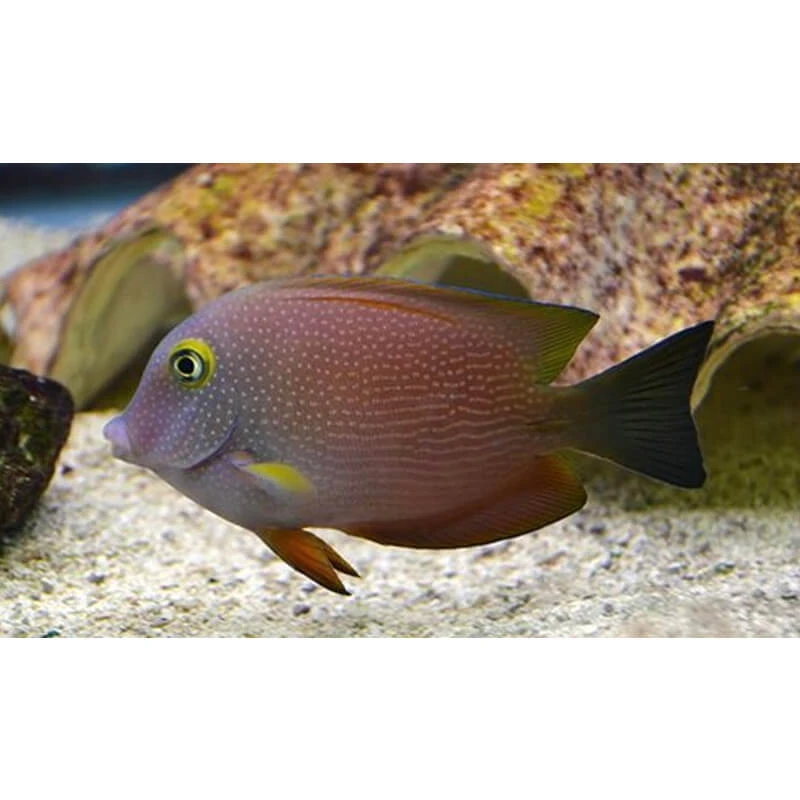
If you’ve been looking for a hardworking, visually striking fish that keeps your reef tank clean and thriving, the Kole Tang (Ctenochaetus strigosus), also known as the Yellow Eye Tang or Spotted Surgeonfish, deserves a top spot on your list. With its rich brown body, vibrant yellow eye ring, and tireless grazing behavior, this reef-safe tang is one of the most practical and rewarding additions you can make to a saltwater aquarium.
At Dr. Reef’s Quarantined Fish, we take pride in offering only healthy, fully quarantined Kole Tangs that are ready to get to work in your tank from day one. When you buy from Dr. Reef’s, you’re choosing a fish that has been professionally cared for, not just collected and shipped.
What Makes the Kole Tang a Must-Have for Reef Keepers?
The Kole Tang is widely regarded as one of the best algae-eating fish for saltwater aquariums. It uses its specialized comb-like teeth to graze on detritus, diatoms, and film algae that accumulate on rocks, sand, and glass surfaces. This makes it an incredibly effective and natural solution for controlling nuisance algae in reef tanks and FOWLR setups alike.
Unlike some tangs that can become territorial and aggressive, the Kole Tang is generally considered peaceful and one of the more reef-safe tang species available to hobbyists. It is compatible with a wide range of tank mates and rarely causes conflict, making it a smart choice for community reef aquariums.
The Size Reality: Smaller Than Most Tangs, Big on Value
Let’s talk numbers. Kole Tangs are a manageable species, typically reaching 5 to 7 inches in adulthood. This makes them one of the more apartment-friendly tang options for hobbyists who want the benefits of a surgeonfish without needing a massive display tank.
That compact size is a genuine advantage. You get all the algae-grazing power of a tang in a fish that fits comfortably in mid-sized reef systems. Don’t let the smaller stature fool you though. These fish are active, confident, and present a strong visual impact in any aquarium.
Growth Timeline: What to Expect
Kole Tangs grow at a moderate, steady pace over two to three years. A juvenile brought home at 2 inches will reach 4 inches within the first year with good nutrition and stable water conditions. By year two, most specimens approach their adult size of 5 to 7 inches. Full coloration and adult patterning typically develop alongside their physical growth, rewarding patient hobbyists with a genuinely beautiful fish.
Tank Requirements: Room to Roam and Graze
Given their active swimming style and constant grazing behavior, Kole Tangs need enough space to move naturally throughout the day. A minimum 70-gallon aquarium is recommended for a single adult, with larger systems always being better for long-term health and happiness.
Why does space matter so much? Kole Tangs are on the move constantly. They work every surface of the rockwork, patrol the sandbed, and investigate every corner of the tank. A cramped environment leads to stress, faded color, and increased disease susceptibility.
What They Need to Thrive
These aren’t delicate fish, but they do have specific needs that must be met consistently. Water temperature should stay between 72 and 82 degrees Fahrenheit with salinity held at 1.020 to 1.025 SG. Plenty of established live rock gives them natural grazing surfaces throughout the day. Supplement their grazing with nori sheets, spirulina, and quality herbivore frozen foods to keep their nutrition complete and their colors vibrant.
Temperament and Tank Mates
Their manageable size and peaceful nature make Kole Tangs one of the easiest surgeonfish to keep in a community reef setting. They coexist well with a wide variety of tank mates and rarely initiate conflict. The main exception is housing them with other Ctenochaetus species in smaller systems, where territorial behavior can emerge. Give them space, give them tank mates of similar temperament, and the Kole Tang will reward you with years of peaceful, productive grazing.
Planning for a Long and Rewarding Commitment
Kole Tangs can live 7 to 10 years or more in well-maintained aquariums. You are not just buying an algae solution. You are adding a long-term resident with its own personality, rhythm, and presence in your reef. That longevity makes your starting point critically important.
The Smart Start: Why Quarantine Changes Everything
When you’re committing to a fish that will live in your care for nearly a decade, starting with the healthiest possible specimen is not optional. It is the foundation of everything that follows.
Professionally quarantined Kole Tangs have already navigated the most dangerous window: the initial transition from collection to captivity. They have proven they can eat, remain disease-free under observation, and display the active behavior that predicts long-term success. You are not hoping your new tang pulls through. You are welcoming a fish that has already shown it can thrive.
Why Dr. Reef’s Stands Out
Dr. Reef’s Quarantined Fish understands exactly what Kole Tangs need during the critical quarantine period. Every specimen goes through a rigorous 4 to 6 week quarantine, receiving preventative treatments, varied nutrition, and daily observation before it is ever offered for sale.
When your Kole Tang arrives from Dr. Reef’s, it is already grazing actively, eating prepared foods, and displaying the confident, alert behavior that makes this species so satisfying to keep. You skip the stressful weeks of wondering whether your fish will make it. Instead, you get straight to enjoying a healthy, established tang that is ready to clean your tank and settle into your reef community.
You also protect your existing livestock from the risk of introducing parasites or disease, an invaluable benefit that experienced hobbyists never overlook.
Your Long-Term Success Starts Now
Kole Tangs are hardy, useful, beautiful, and peaceful. But like every fish, they deserve a strong start. Begin with adequate space, stable water conditions, and a varied diet. Most importantly, begin with a healthy, quarantined specimen that has already proven it can flourish.