
Blog
How to Quarantine Marine Fish

How to Quarantine Marine Fish: The Complete Guide to Protecting Your Reef
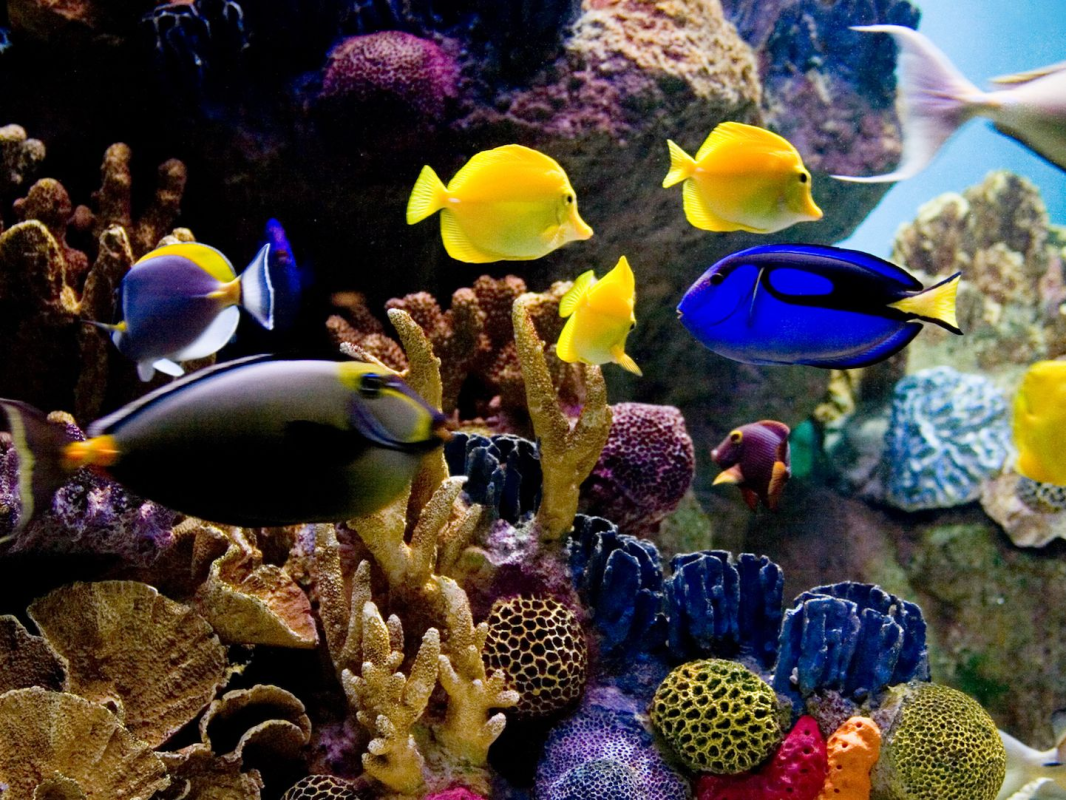
You’ve just gotten your hands on a stunning new fish, maybe a vibrant blue tang or a gorgeous flame angelfish. You’re excited. You want to add it to your display tank right now. But there’s one critical step standing between you and disaster, and that is quarantine.
Quarantine sounds like extra work. It means setting up another tank, waiting weeks, and testing your patience. Skipping quarantine is the mistake that wipes out entire reef tanks. One sick fish can devastate years of work and thousands of dollars in livestock.
Quarantine doesn’t have to be complicated. With the right approach, you can protect your tank and give your new fish the best possible start. Let’s dive into exactly how to quarantine marine fish the right way.
Why Quarantine Is Non-Negotiable
Understanding what you’re protecting against makes the process feel less like a chore and more like insurance. Most saltwater fish sold today are wild-caught. Even aquacultured specimens can carry problems.
External Parasites:
- Marine ich – the saltwater version of freshwater ich
- Marine velvet – far more deadly than ich
- Flukes and other skin parasites
Internal Parasites:
- Intestinal worms
- Gill flukes
- Uronema
- Various protozoan infections
Bacterial Infections:
- Can be opportunistic or primary
- Often stress-related
- May not show symptoms immediately
Stress and Shipping Damage:
- Weakened immune systems
- Injuries from transport
- Osmotic stress
A fish can look perfectly healthy and still be carrying parasites or disease. Symptoms often don’t appear until the fish is stressed by introduction to a new environment.
The Cost of Skipping Quarantine
Skip quarantine, and you’re rolling the dice. The potential consequences:
- Loss of the new fish
- Introduction of parasites to your entire tank
- Having to catch and quarantine all your fish
- Treating your entire display tank
- Months of battling outbreaks
- Potentially losing your entire livestock collection
At Dr. Reef’s Quarantined Fish, we’ve heard these horror stories countless times. That’s why every fish we ship has already completed our rigorous quarantine protocol.
Common Quarantine Mistakes
Mistake 1: Drip Acclimation
When fish are bagged, CO2 builds up and pH drops. This converts toxic ammonia to less-toxic ammonium. Once you open the bag and introduce oxygen, pH rapidly increases, converting ammonium back to toxic ammonia.
The Result: Fish experience ammonia burn during what should be a gentle acclimation.
Do This Instead:
- Float bag for 30 minutes
- Release the fish directly into the quarantine tank
- Don’t worry about salinity mismatch
Mistake 2: Using Activated Carbon
Carbon removes medication from the water. If you’re treating parasites, carbon is your enemy. Save it for after quarantine when you’re polishing water.
Mistake 3: Overcrowding the QT Tank
One fish per 20 gallons is a good rule during medication. Medications stress fish, and overcrowding compounds that stress.
Mistake 4: Skipping Copper Testing
If you’re using copper, test daily. Copper levels that are too low won’t kill parasites. Levels too high will kill your fish. There’s a narrow therapeutic window.
Mistake 5: Rushing the Process
Parasite life cycles can take 3-4 weeks to complete. A fish that looks healthy at day 10 might be harboring parasites that emerge at day 20.
Protecting Your Investment
Marine fish aren’t cheap. Between the fish itself, shipping, and the risk of introduction, each new addition represents a significant investment.
Quarantine is how you protect that investment. It’s how you protect the community you’ve already built. It’s how you avoid the heartbreak of watching a tank crash because you were impatient.
Ready to add healthy, fully quarantined saltwater fish to your reef? Every fish at Dr. Reef’s has completed our rigorous protocol. No QT tank needed on your end, just acclimate and enjoy.