
Blog
How Much Is Angelfish?

How Much Is Angelfish? Understanding Marine Angelfish Pricing
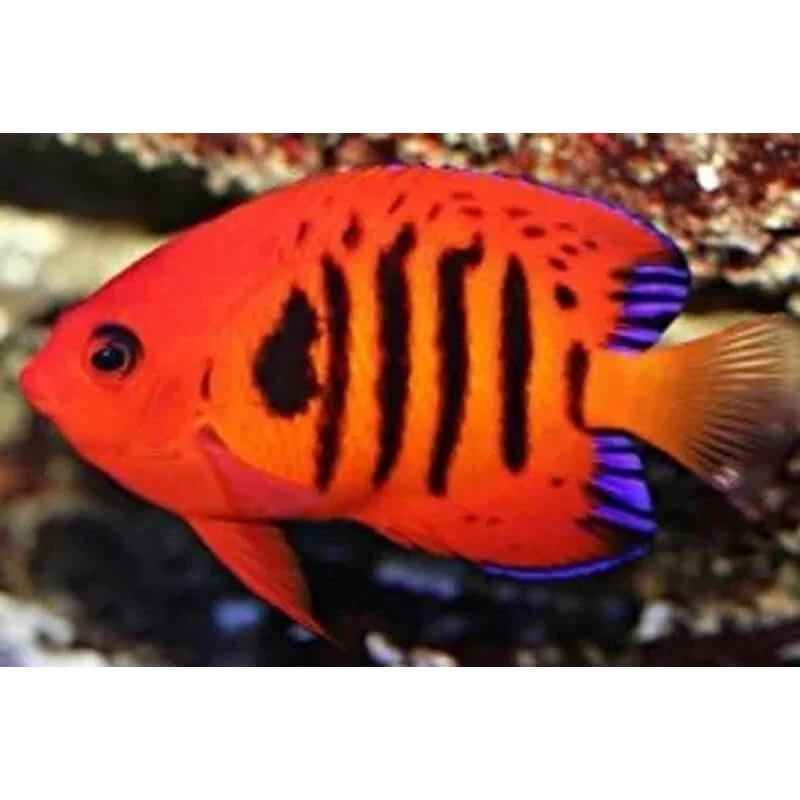
So you’ve fallen for the elegance of marine angelfish. Maybe it’s the regal emperor angel gliding past coral formations, or the vibrant flame angel darting through rockwork, or perhaps the stunning queen angel that’s captured your imagination. Whatever species has stolen your heart, you’re probably wondering: what’s this going to cost me?
The answer is more nuanced than you might expect, and understanding why pricing varies so dramatically will help you make smarter purchasing decisions.
The Price Spectrum: From Affordable to Investment-Worthy
Marine angelfish pricing varies wildly depending on several critical factors. Here’s what you can generally expect:
Dwarf Angelfish (Centropyge species): These smaller species, including coral beauties, flame angels, and bicolor angels, represent the most accessible entry point. Their compact size (3 to 5 inches) and relative ease of collection keep prices moderate. Expect to pay $80 to $99 for common varieties, with rarer color morphs commanding $100 to $500+.
Mid-Sized Angelfish: Species like half-moon angels, majestic angels, and similar medium-sized fish fall into this range. Their larger size and somewhat more challenging collection increase costs accordingly.
Large Angelfish: 150 to $600+
The showstoppers like emperor angels, queen angels, french angels, and similar species command premium prices. Their impressive size, stunning coloration, and collection difficulty justify the investment. Juvenile specimens typically cost less than adults due to size and coloration differences.
What Drives Angelfish Pricing?
Understanding these factors helps explain why two seemingly similar fish might have vastly different price tags:
Collection Location and Difficulty
Angelfish from remote Pacific islands or deep water require specialized collection efforts, dramatically increasing costs. Common Caribbean species collected in shallow water cost significantly less.
Size and Maturity
Larger, more mature specimens command higher prices. A 2-inch juvenile emperor angel might cost $207, while a stunning 6-inch sub-adult displaying adult coloration could fetch $400 or more.
Color Morphs and Rarity
Standard coloration costs less than unusual variants. Regional color differences, aberrant patterns, or naturally rare species exponentially increase prices.
Source and Health
Here’s where things get really interesting, and where smart hobbyists separate themselves from the crowd.
The Hidden Cost of “Cheap” Angelfish
That $60 flame angel sounds like a bargain compared to the $200 specimen at another store. But is it really?
Consider what you’re actually buying. A newly imported, unconditioned, potentially parasite-laden angelfish might initially cost less, but factor in:
- Medications and treatments for inevitable parasites
- Potential losses to your existing tank inhabitants if disease spreads
- The stress and time invested in home quarantine
- The real possibility the fish won’t survive acclimation
- Lost time and emotional investment
Suddenly that “bargain” doesn’t look so economical.
The True Value Proposition: Professionally Quarantined Angelfish
Here’s what experienced hobbyists understand: the lowest initial price rarely represents the best value.
What Quarantine Actually Provides
Professionally quarantined angelfish have undergone weeks of observation, preventative treatments, and acclimation to aquarium foods. They’ve proven they can survive the critical transition from ocean to captivity. You’re not gambling on survival. You’re investing in success.
The Dr. Reef’s Difference
Dr. Reef’s Quarantined Fish approaches angelfish differently. Every specimen undergoes comprehensive quarantine protocols ensuring you receive a robust, actively feeding fish ready to thrive immediately in your display aquarium.
Yes, their angelfish might cost more upfront than newly imported specimens at your local store. But consider what that premium actually buys:
- Peace of mind knowing your fish is parasite-free
- Immediate feeding and active behavior from day one
- Protection for your existing tank inhabitants
- No need for expensive home quarantine setups
- Significantly higher survival rates
When you factor in the true cost of ownership, professionally quarantined angelfish often represent better value than cheaper alternatives. You’re paying slightly more initially to avoid significantly larger expenses and heartbreak down the line.
You can browse their current selection of quarantined angelfish, complete with transparent pricing and detailed information about each specimen, at https://drreefsquarantinedfish.com/product-category/saltwater-fish/angelfish/. Their inventory includes everything from affordable dwarf species to premium showpiece angels, all backed by professional quarantine protocols.
Making the Smart Investment
Marine angelfish represent investments in living art that can grace your aquarium for 10 to 20 years. Spending an extra $50 to $100 for professional quarantine on a fish you’ll enjoy for decades isn’t an expense. It’s insurance.
The question isn’t just “how much does an angelfish cost?” The better question is “what’s the smartest way to invest in long-term success?” Smart hobbyists know the answer: start healthy, start quarantined, start right. When you’re ready to make that investment, choosing a source that prioritizes fish health over quick sales makes all the difference in your long-term enjoyment and success.