

What Does a Bamboo Shark Eat?

What Does a Bamboo Shark Eat? A Simple Guide for Aquarists
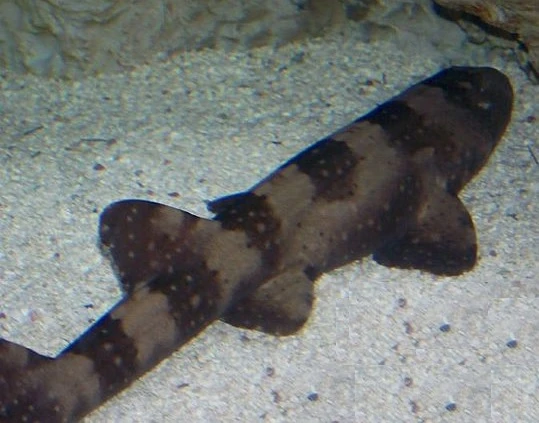
If you have ever watched a bamboo shark glide effortlessly across a sandy tank bottom, you already know why these animals are among the most fascinating species in the home aquarium hobby. But keeping one thriving long-term starts with one essential question: what does a bamboo shark eat?
At Dr. Reef’s Quarantined Fish, we believe informed aquarists are successful aquarists. Here is everything you need to know about feeding bamboo sharks the right way.
Understanding the Bamboo Shark
Bamboo sharks are small, bottom-dwelling sharks native to the Indo-Pacific. The two species most common in home aquariums are the Whitespotted Bamboo Shark (Chiloscyllium plagiosum) and the Brownbanded Bamboo Shark (Chiloscyllium punctatum). They are nocturnal, slow-moving, and well-suited to aquarium life in tanks of 180 gallons or more.
In the wild, they are opportunistic carnivores that forage along reef bottoms, using specialized electroreceptors to detect prey hiding beneath sand. Their natural diet includes small fish, crustaceans, mollusks, squid, and marine worms.
What to Feed a Bamboo Shark in Captivity
Replicating their natural diet as closely as possible is the foundation of good care. The best food options include:
- Fresh or frozen squid, shrimp, clam strips, and silversides — these are ideal staples that closely mirror wild nutrition
- Whole prey items such as shell-on shrimp or small whole fish, which encourage natural feeding behavior
- Krill and mysis shrimp, especially helpful for juveniles or newly introduced specimens
One important rule: avoid freshwater feeder fish like goldfish. Fed regularly, these cause thiamine deficiency, a serious and preventable health issue. Always keep food choices marine-based.
How Often Should You Feed?
Adult bamboo sharks do well on two to three feedings per week. Juveniles may benefit from feeding every other day. Overfeeding is one of the most common mistakes in shark keeping and quickly degrades water quality. Remove any uneaten food promptly after each feeding session.
Practical Feeding Tips
Use feeding tongs or a feeding stick rather than your hands. This builds a safe feeding routine and protects both you and the shark. Feed during evening hours or with lights dimmed, since bamboo sharks are naturally nocturnal and feed most confidently in low light. Rotate food types regularly to ensure a balanced nutritional profile.
A healthy bamboo shark will have a slightly rounded belly after eating. Consistent food refusal or visible weight loss are signs to consult a marine aquatic veterinarian promptly.
Why Quarantine Changes Everything
Even the best feeding routine cannot compensate for a shark that arrived sick. Bamboo sharks can carry parasites or infections that are invisible at the time of purchase. Introducing an unquarantined animal into your display tank puts every inhabitant at risk.
This is exactly why Dr. Reef’s Quarantined Fish exists. Every animal in our inventory goes through a rigorous quarantine protocol before reaching any customer. When you purchase a bamboo shark through Dr. Reef, it has already been observed, assessed, and confirmed feeding on appropriate foods. You are not just buying a fish. You are buying confidence.
Final Thoughts
Feeding a bamboo shark well is straightforward once you understand their instincts and nutritional needs. Stick to marine-based whole proteins, vary the diet, feed two to three times per week, and always source from a trusted, quarantine-focused supplier.