
Blog
How Long Do Peacock Mantis Shrimp Live?

How Long Do Peacock Mantis Shrimp Live? Lifespan, Care, and Longevity Guide
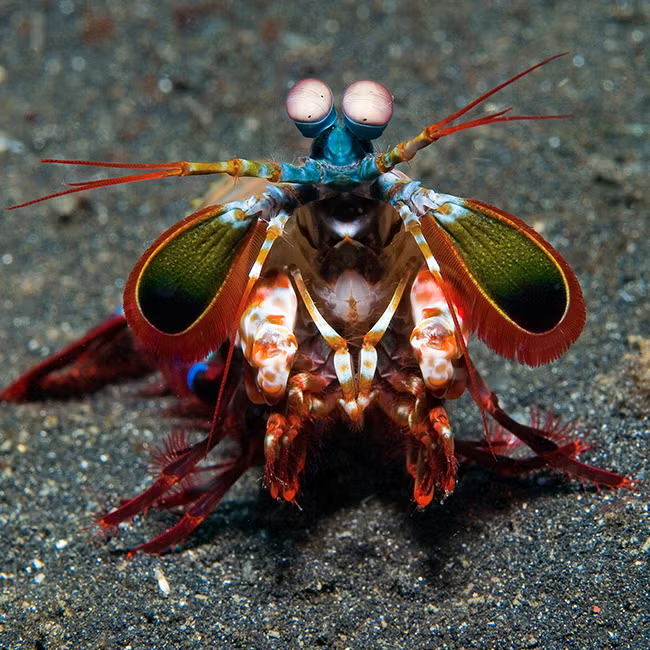
You’re scrolling through Dr. Reef’s inventory when a product listing stops you cold. A peacock mantis shrimp. The photos show a creature wearing every color at once, electric green, blazing orange, rich red, deep blue, like a living piece of stained glass that also happens to punch with the force of a .22 caliber bullet.
How long is this commitment? Fish can live for a decade or more. Some corals outlive their owners. Understanding their lifespan and what drives it is the foundation for giving your peacock mantis the long, healthy life it’s capable of living.
The Numbers: How Long Peacock Mantis Shrimp Actually Live
Their typical lifespan is between three and six years, though some individuals have lived to be twenty. That’s a remarkable spread, and it’s not a typo. The difference between a three-year peacock mantis and a twenty-year one isn’t random luck; it comes down almost entirely to the quality of care they receive.
Lifespan Summary at a Glance:
- Wild average: 3 to 6 years
- Wild maximum: 6 to 10 years
- Captivity average with basic care: 4 to 8 years
- Captivity with excellent care: 8 to 15 years
In the wild, peacock mantis shrimp typically live 6 to 10 years, but in captivity, they have been known to survive up to 20 years. The captivity advantage comes from the absence of predators, consistent food access, and stable water conditions, advantages that don’t exist in the ocean but that you can absolutely provide in your aquarium.
Peacock mantis shrimp can live for up to 20 years in both captivity and in the wild; most other mantis shrimps usually only live for 2 to 7 years. This positions Odontodactylus scyllarus as genuinely long-lived by mantis shrimp standards. Most other species in the order Stomatopoda top out at seven years or less, making the peacock mantis shrimp an outlier in longevity as well as in its extraordinary visual system, punch speed, and intelligence.
Why Peacock Mantis Shrimp Live Longer Than Other Mantis Species
Not all mantis shrimp are created equal when it comes to lifespan, and understanding what makes the peacock mantis a longer-lived species explains a lot about how to care for one.
Peacock mantis shrimp are one of the larger species in their order. Peacock mantis shrimp are one of the larger mantis shrimp species, measuring 1.2 to 7.1 inches in length. In the animal kingdom, larger body size generally correlates with longer lifespan, and this holds for stomatopods. The zebra mantis shrimp, which can reach 15 inches, lives up to 8 years. Smaller mantis shrimp species inhabiting sandy bottoms may only survive 1 to 3 years on average.
The Life Stages of a Peacock Mantis Shrimp
Understanding how peacock mantis shrimp move through their life stages helps you appreciate what their lifespan actually looks like in practice, and what to expect when caring for one at different ages.
Larval Stage (First Weeks of Life): The journey begins as larvae hatch from eggs carried by the female. Typically, stomatopod eggs are carried in a mass by the female, who cares for them until they hatch. The larvae are planktonic initially, drifting in open water before settling and beginning development toward their adult form. This stage is essentially invisible to aquarium keepers; you’ll virtually never acquire a larval specimen.
Juvenile Stage (Months 1-12): As they reach their juvenile life stage, they begin forming their shells, which they shed as they grow into adulthood. Juveniles are sexually immature, still developing their full adult coloration and raptorial appendage strength. At this stage, they’re generally smaller, somewhat less aggressive than adults, and grow rapidly with consistent feeding. This is often the stage at which keepers first acquire their peacock mantis.
Sub-Adult Stage (Months 12-24): The shrimp grows rapidly, approaching adult size, and begins exhibiting the full territorial behaviors that define the species. Striking power increases significantly during this period. Color deepens and intensifies. Personality becomes pronounced, you’ll start recognizing whether your individual is bold and interactive or more reclusive.
Adult Stage (Year 2 Onward): Full adult size is typically reached between one and two years of age. From this point, the peacock mantis maintains its size through regular molting but doesn’t grow appreciably larger. This is the longest phase of their life, and the one during which their fascinating behaviors, recognition of individual humans, learned feeding routines, and territorial displays are fully expressed.
Senior Stage (Years 6-10+): Well-maintained peacock mantis shrimp in their senior years show few obvious signs of aging until close to the end of their lives. Activity levels may decrease modestly. Strike speed may slow slightly. Appetite can become more selective. Molting frequency typically decreases. These are gradual changes rather than a sudden decline.
The Dr. Reef’s Advantage: Starting With a Quarantined Specimen
The lifespan of your peacock mantis shrimp is heavily influenced by what happened before it arrived at your door. Wild-caught specimens that go straight from collection to shipping to your tank carry disease, parasites, collection stress, and acclimation trauma that silently chip away at their longevity before you’ve even named them.
At Dr. Reef’s Quarantined Fish, every peacock mantis shrimp completes a minimum invertebrate quarantine protocol before being shipped to customers. This isn’t a brief observation period; it’s a substantial conditioning phase that addresses the very factors that shorten captive mantis shrimp lifespans.
Final Thoughts: Is a Peacock Mantis Shrimp the Right Long-Term Commitment?
Ready to add a peacock mantis shrimp to your species tank? Dr. Reef’s Quarantined Fish offers peacock mantis shrimp that have completed a quarantine. All specimens are observed for health, appetite, molting success, and behavioral activity before shipping. Visit Dr. Reef’s Quarantined Fish to check current availability and learn more about our quarantined invertebrate selection.