
Blog
Copperband Butterflyfish

Copperband Butterflyfish for Sale – A Delicate and Rewarding Species for Experienced Aquarists
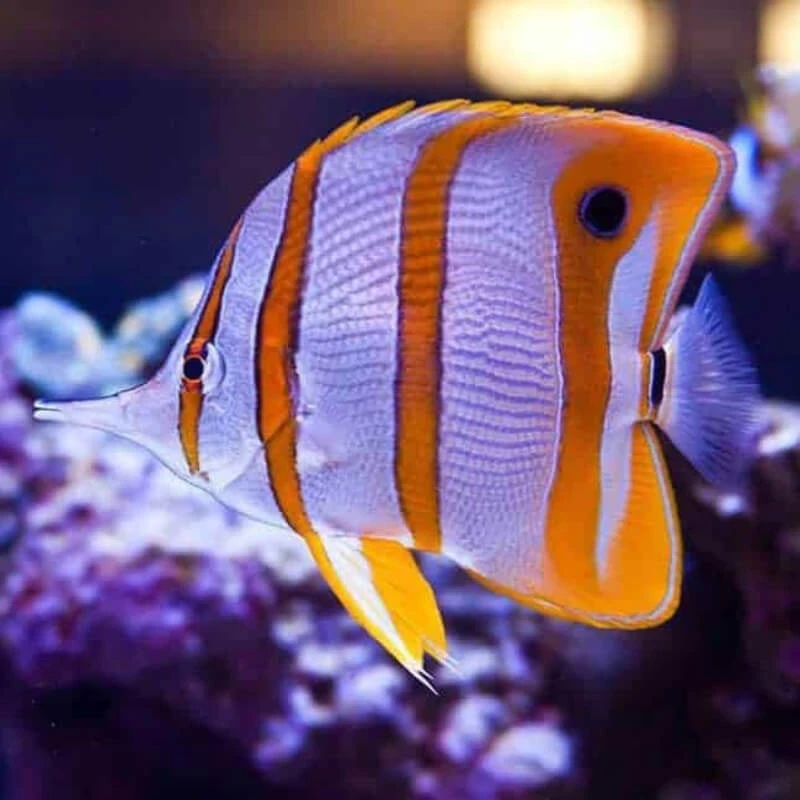
Few fish in the marine hobby command attention quite like the Copperband Butterflyfish (Chelmon rostratus). With its elegant copper-orange banding, elongated snout, and graceful movement through the water column, it is a species that experienced aquarists dream of keeping. At Dr. Reef Quarantined Fish, every Copperband is fully quarantined and confirmed eating before it ever ships to you.
A Fish Unlike Any Other
The Copperband Butterflyfish is native to the Indo-Pacific and the waters around Australia’s Great Barrier Reef, where it inhabits shallow coastal reefs, lagoons, and estuaries. It uses its long, narrow snout to probe rock crevices for small worms, crustaceans, and soft-bodied invertebrates. That same snout makes it one of the few fish reliably known to consume Aiptasia anemones, a notorious reef pest, which has made it particularly sought after among reef aquarists dealing with nuisance blooms.
Appearance and Size
The Copperband is immediately recognizable by its series of bright copper-orange vertical bands running across a white body, with a distinctive false eyespot near the rear of the dorsal fin. Adults typically reach around 8 inches in length. The species carries itself with a slow, deliberate elegance that makes it a standout presence in any system large enough to house it comfortably.
Aquarium Requirements
The Copperband Butterflyfish requires a well-established, stable marine system. A minimum of 75 gallons is recommended, with a mature reef or fish-only setup that offers plenty of live rock for grazing and exploration. Water quality must be pristine. This species is sensitive to elevated nitrate, dissolved organics, and any trace of copper in the water column. Consistent parameters, excellent filtration, and regular water changes are essential for long-term success.
Feeding
Getting a Copperband to accept prepared foods is the central challenge of keeping this species. In the wild it feeds almost exclusively on live benthic prey, and transitioning it to frozen or prepared foods in captivity requires patience and a thoughtful approach. Frozen mysis shrimp, chopped clam, and small pieces of marine worm are good starting points. Target feeding near live rock, where the fish naturally forages, tends to produce the best results. A tank with abundant microfauna and natural grazing opportunities also makes the transition easier.
This is precisely why our quarantine process matters. At Dr. Reef, we do not offer a Copperband for sale until it is actively and consistently accepting food. That step alone dramatically improves the odds of long-term success in your system.
Temperament and Tank Compatibility
The Copperband is generally peaceful but can show territorial behavior toward its own kind. It should not be kept with aggressive species that may outcompete it at feeding time. It is considered reef safe with caution, as it may nip at featherduster worms, certain ornamental shrimp, and other small soft-bodied invertebrates. Introducing it to a calm, established community gives it the best chance to settle in and begin feeding confidently.
Why Buy from Dr. Reef
The Copperband Butterflyfish has a reputation for being difficult, and much of that reputation comes from fish purchased in poor condition or before they have learned to accept captive foods. At Dr. Reef Quarantined Fish, every Copperband goes through an extended quarantine and feeding program before being offered for sale. Each fish is observed, treated prophylactically for common marine parasites, and trained onto frozen foods. We will not ship a fish that is not eating reliably.
That commitment is what sets our livestock apart and gives you the foundation for a genuinely rewarding experience with one of the most beautiful fish in the hobby.