
Blog
Chocolate Tang

Chocolate Tang for Sale – A Distinctive and Challenging Species for Experienced Marine Hobbyists
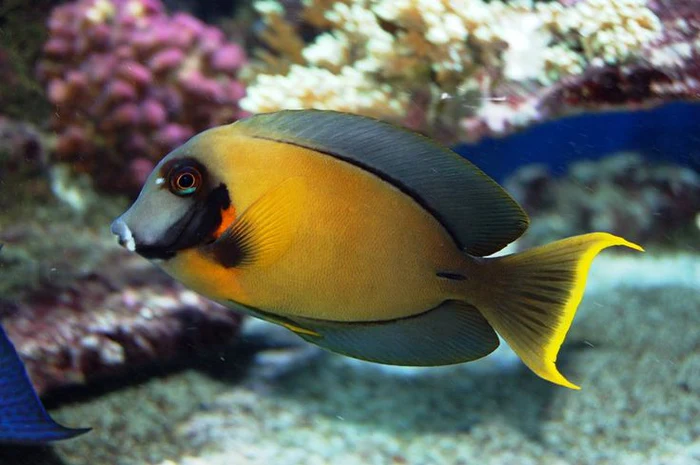
Few tangs in the marine hobby carry the quiet elegance of the Chocolate Tang (Acanthurus pyroferus). With its warm, rich brown tones and clean, understated appearance, this Indo-Pacific surgeonfish stands apart from the more colorful members of its family. It is a species that rewards experienced aquarists who appreciate subtlety and have the setup and knowledge to meet its specific needs. At Dr. Reef Quarantined Fish, every Chocolate Tang is fully quarantined and confirmed eating before it ships to you.
A Tang With a Fascinating Juvenile Stage
One of the most intriguing aspects of the Chocolate Tang is its juvenile coloration. Young specimens mimic the appearance of Centropyge dwarf angelfish, displaying bright yellow bodies that closely resemble species such as the Lemonpeel or Flameback Angelfish. This mimicry is believed to offer juveniles a degree of protection in the wild by associating them with the more established social presence of angelfish on the reef. As the fish matures, it gradually transitions into the warm chocolate brown coloration of the adult form, a transformation that unfolds slowly and makes juveniles particularly interesting to raise in captivity.
Appearance and Size
Adult Chocolate Tangs display a smooth, warm brown to orange-brown body with subtle tonal variation across the flanks and a clean, streamlined profile. The coloration is understated compared to many reef fish but carries a natural elegance that suits a sophisticated, well-arranged reef system. Adults typically reach 10 to 12 inches in length, making this a substantial fish that requires generous swimming space and a well-established environment to thrive over the long term.
Aquarium Requirements
The Chocolate Tang is a large, active swimmer that requires a spacious and stable aquarium. A minimum of 180 gallons is recommended, with larger systems being strongly preferable for adult specimens. Strong water movement, excellent oxygenation, and consistent water parameters are essential. This species originates from the coral-rich waters of the Indo-Pacific, where it inhabits areas with strong current and abundant algae growth. A mature biological filter and disciplined maintenance routine are non-negotiable for keeping this tang in good health over time. Like all members of the surgeonfish family, it is sensitive to declining water quality and elevated organic loads.
Feeding
The Chocolate Tang is a herbivore that grazes continuously on algae and organic matter in the wild. In captivity a diet rich in plant-based foods is essential for maintaining its health and immune function. Dried seaweed sheets offered on a clip, high-quality herbivore pellets, and frozen preparations containing spirulina and marine algae should form the foundation of its diet. Supplementing with meaty foods such as mysis shrimp adds nutritional variety and supports overall condition. Frequent feeding throughout the day, rather than one or two large meals, more closely mirrors the natural grazing behavior of this species and keeps it in the best possible condition.
Temperament and Tank Compatibility
The Chocolate Tang can be territorial toward other tangs, particularly those of similar body shape. In a large enough system with sufficient open territory, this behavior is usually manageable, but introductions require careful planning and observation. Toward non-tang species it is generally peaceful and compatible with a wide range of reef fish. It is considered reef safe and will not disturb corals or most invertebrates, making it a suitable addition to a mature reef system. The sharp caudal spine common to all surgeonfish should be handled with care during transport and acclimation.
Why the Chocolate Tang is Considered Challenging
The Chocolate Tang has earned its reputation as a demanding species primarily because of its feeding requirements and sensitivity to water quality. Specimens that arrive without an established feeding response or that are placed into unstable systems frequently decline. The key to success with this species is purchasing a fish that is already eating reliably and introducing it into a mature, well-maintained aquarium from the start. Skipping either of those steps significantly increases the risk of failure with this otherwise rewarding species.
Why Buy from Dr. Reef
At Dr. Reef Quarantined Fish, every Chocolate Tang undergoes an extended quarantine and observation period before being offered for sale. Each fish is treated prophylactically for common marine parasites, carefully monitored for health and appetite, and confirmed eating a varied diet before it ships. We do not offer a fish for sale until it is actively feeding and visibly thriving in our care. That preparation addresses the two biggest risk factors associated with this species and gives your new tang the strongest possible foundation in your system.