
Basslet Fish for Sale: Care Guide and Tank Setup

Basslet Fish for Sale: Care Guide and Tank Setup
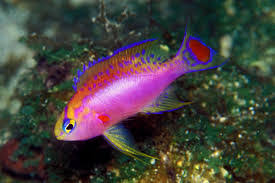
There is a fish in the saltwater hobby that most beginners walk right past. It sits quietly in a corner of the store tank. It is small. It is not flashy from a distance. But the moment you look closely, your jaw drops.
That fish is the basslet.
Basslets are some of the most intensely colored, personality-packed fish in the entire reef hobby. They are also one of the best-kept secrets for reef keepers who want stunning color without a huge tank or a complicated care routine.
This guide covers everything you need to know about buying and keeping basslets, including the real prices you should expect to pay.
What Is a Basslet Fish?
Basslets are small, carnivorous marine fish from the family Grammatidae and related groups. They typically stay between two and four inches as adults. They prefer to live near rock structures, caves, and overhangs, which is exactly what a well-built reef tank provides.
What makes basslets special is their color intensity. These are not subtle fish. They are jewel-bright, deeply saturated, and absolutely stunning under reef lighting.
They are also reef safe. Basslets will not bother your corals, clams, or most invertebrates. They are entirely focused on small meaty foods and will not give your reef a second thought.
Best Basslet Species to Keep
The black cap basslet is one of the most sought-after species in the hobby. Its body is a deep, velvety purple with a sharp black cap covering the top of its head. Under blue reef lighting, it practically glows.
Black cap basslets come from deeper water, which means they appreciate dimmer lighting and plenty of caves in the rock work. They are hardy once established and accept most frozen and prepared meaty foods.
At Dr. Reef’s Quarantined Fish, the black cap basslet is available starting at $119.99, with pricing up to $137.99 depending on size. For a fish this rare and visually stunning, that price reflects genuine quality and the assurance of professional quarantine before it ever reaches your tank.
The yellow gold assessor basslet is another extraordinary species. It is a clean, bright yellow with a soft golden shimmer. Unlike many reef fish that swim upright, the assessor basslet has a delightful habit of swimming upside down along cave ceilings and overhangs. Watching one explore your rock work is genuinely mesmerizing.
Assessor basslets are peaceful, hardy, and reef safe. They do best with plenty of hiding spots and appreciate low to moderate flow areas in the tank.
At Dr. Reef’s Quarantined Fish, the yellow gold assessor basslet starts at $159.99 and goes up to $183.99 depending on size. This is a species that rarely shows up in local fish stores, making Dr. Reef’s one of the best places to find a healthy, quarantined specimen.
Basslet Tank Setup
Basslets do not need large tanks. A 30-gallon reef tank is sufficient for a single basslet. They spend most of their time hovering near rock structures rather than swimming in open water, so what matters more than tank size is the quality of your aquascape.
Give your basslet at least one cave or overhang to claim as its territory. Once it has a home base, it becomes significantly more confident and visible. Without a hiding spot, basslets tend to stay hidden and stressed.
Water parameters should be stable. Salinity between 1.025 and 1.026, temperature between 75 and 80 degrees Fahrenheit, and good biological filtration are all you need to keep a basslet thriving.
Feed meaty foods. Frozen mysis shrimp, frozen brine shrimp, and high-quality carnivore pellets are all accepted by well-adjusted basslets. Feed small amounts twice daily.
One important note about basslets and aggression. Most basslets are peaceful toward fish of completely different shapes and sizes. But they can be territorial toward fish that look similar to them, including other basslets. Keep only one basslet per tank unless your system is very large with extensive rock work.
Why Quarantined Basslets Are Worth It
Basslets are not the cheapest fish in the hobby. A quality specimen represents a real investment. The last thing you want is to spend over a hundred dollars on a black cap basslet and watch it die within two weeks because it arrived carrying parasites from an unquarantined facility.
Dr. Reef’s Quarantined Fish holds every basslet through a full quarantine before it ships. That means you are not buying a question mark. You are buying a fish that has been observed, treated if needed, confirmed eating, and cleared for display tank life.
Questions and Answers
Q: Are basslets reef safe?
A: Yes. Basslets are fully reef safe and will not bother corals, clams, anemones, or most invertebrates. They are exclusively focused on small meaty prey.
Q: Can I keep two basslets together?
A: Rarely recommended unless the tank is large with extensive rock work. Basslets can be territorial toward fish that look similar to them. One basslet per display tank is the safest approach.
Q: What do basslets eat?
A: Frozen mysis shrimp, frozen brine shrimp, and high-quality carnivore pellets. They are not fussy eaters once settled.
Q: How much do basslets cost?
A: Quality quarantined basslets range from around $119.99 for a black cap basslet to $183.99 for a yellow gold assessor basslet at Dr. Reef’s Quarantined Fish. These prices reflect properly quarantined, healthy specimens ready for your display tank.
Add a Basslet to Your Reef
Basslets are one of the most underrated fish in the saltwater hobby. They bring extraordinary color, fascinating behavior, and a level of personality that far exceeds their small size.
Shop black cap basslets and yellow gold assessor basslets at Dr. Reef’s Quarantined Fish today and add something truly special to your reef.