
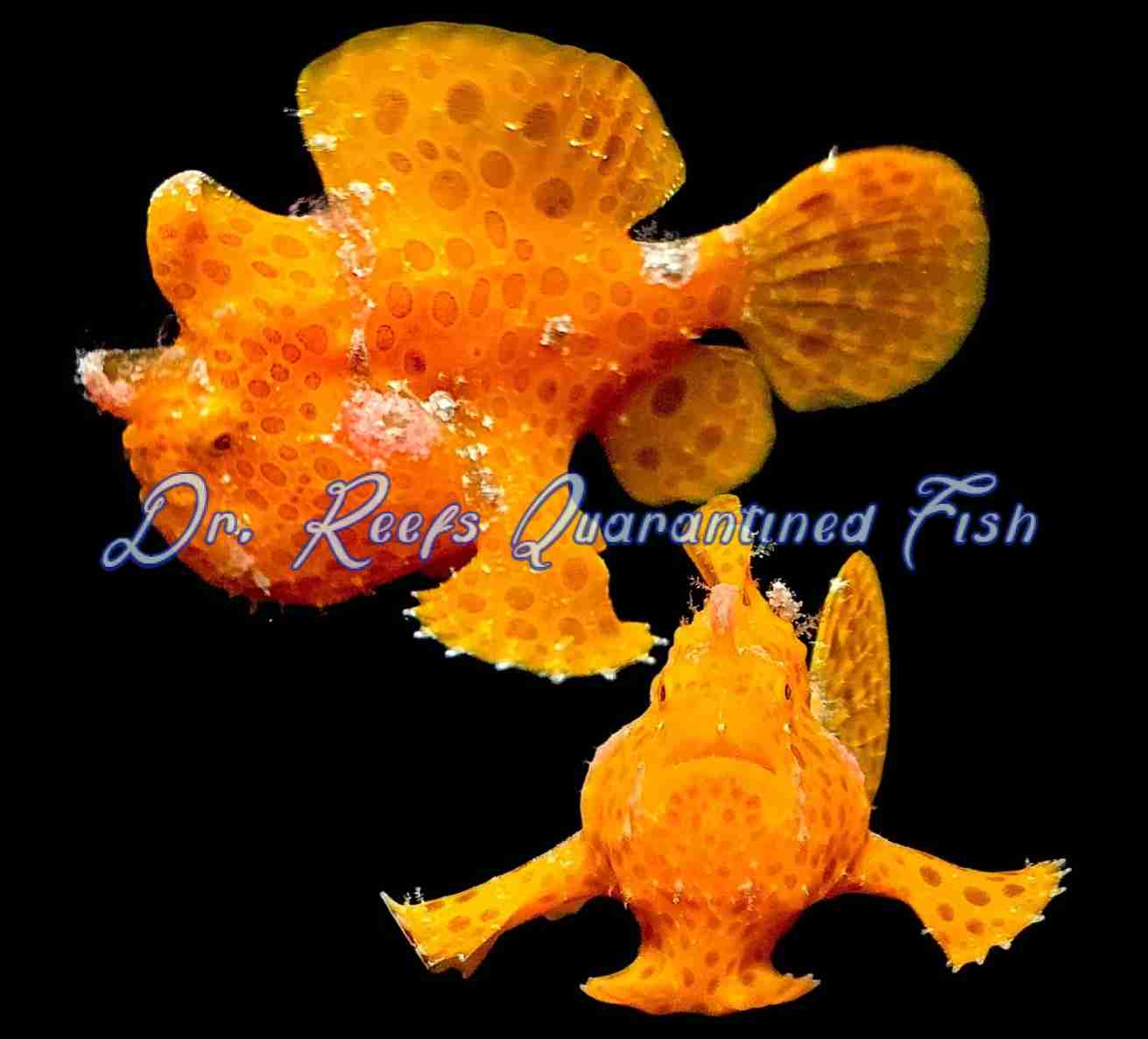

Orange Angler
$139.99
Antennarius sp.
| Care Level | Moderate |
| Temperament | Semi Aggressive |
| Color Form | Orange |
| Diet | Carnivore |
| Reef Compatible | With Caution |
| Water Conditions | 72–78°F (22–26°C), Sg: 1.023–1.025, pH: 8.1–8.4, dKH: 8–12 |
| Max Size | 5″ |
| Minimum Tank Size | 50 gallons |
Approximate Purchase Size: Small: 1-2.5″; Medium: 2.5-3.75″; Large: 3.75-4.5″
Description
The Radiant Ambush Artist: Keeping the Orange Anglerfish in the Home Aquarium
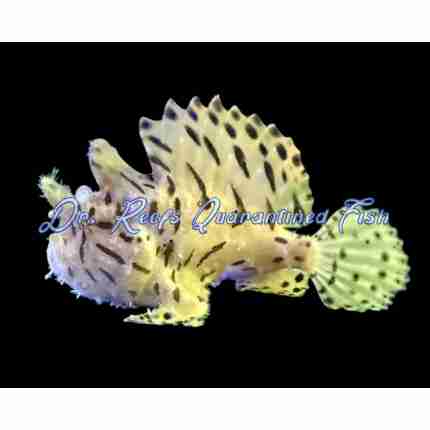
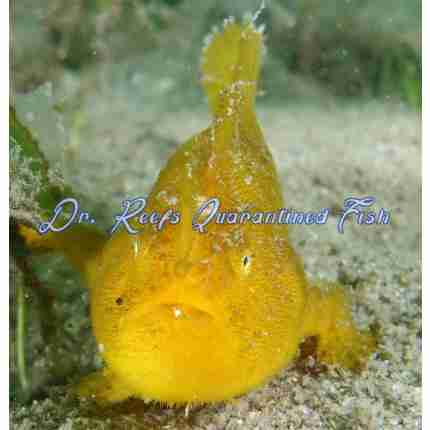
For marine aquarists looking to add a striking burst of color and a totally unique behavioral dynamic to their setup, the Orange Anglerfish (Antennarius sp.) is an exceptional choice. Often referred to as the Orange Frogfish, this captivating predator perfectly replicates the look of bright orange sea sponges or encrusting orange tunicates. While its brilliant coloration makes it an instant visual centerpiece, its sedentary lifestyle and predatory nature require a highly specialized care protocol.
Precision Hunting: Feeding and Diet
The defining characteristic of the Orange Anglerfish is its highly evolved hunting mechanic. It remains completely motionless, blending seamlessly into the reef, while deploying a modified dorsal spine (illicium) tipped with a fleshy lure (esca). By twitching this lure, it mimics a small swimming creature to draw in prey, engulfing them in a lightning-fast strike.
In a home aquarium, keeping this predator healthy requires strict nutritional discipline:
- The Critical Risk of Overfeeding: Because they rarely swim, Orange Anglers have an incredibly slow metabolism. Overfeeding is the most common cause of mortality in captivity; food left sitting in the gut will rot before it can be digested, producing lethal internal gases.
- The Feeding Routine: Limit feedings to just once or twice a week.
- Portion Control: Offer a single, nutritious meal that creates a slight, visible bulge in the angler’s abdomen, and then stop feeding.
- Dietary Variety: Initial feedings usually require live, gut-loaded ghost shrimp or saltwater-acclimated mollies. Avoid freshwater goldfish or rosy red minnows, as they lack marine fatty acids and will cause fatal fatty liver disease. Over time, use a clear acrylic feeding stick to gently wiggle frozen silversides, squid, or krill near the fish to mimic live movement and transition them to frozen foods.
The Compatibility Paradox: Choosing Tank Mates
An Orange Anglerfish presents a unique husbandry challenge: it is an aggressive, opportunistic predator to smaller fish, yet completely defenseless against larger, active species.
- The Swallowing Hazard: An angler’s mouth and stomach can expand to swallow tank mates equal to or even slightly larger than its own body size. Small reef fish, firefish, gobies, and ornamental shrimp will inevitably become prey.
- Protecting the Lure: Because anglers are slow and passive, active or nippy tank mates—such as large wrasses, puffers, triggerfish, and angelfish—will often mistake the angler’s delicate fleshy fishing lure for a real worm and bite it off, severely stressing the fish.
- The Best Approach: The safest and most rewarding way to keep an Orange Angler is in a dedicated species-only aquarium.
Habitat Design and System Maintenance
Because they spend days perched on a single rock or tucked into a crevice, a single adult Orange Angler does not require a large swimming area; a 20 to 30-gallon aquarium is generally sufficient. However, its biological impact requires careful planning:
- Managing Load Spikes: While they eat infrequently, their large meals result in sudden, massive spikes of organic waste. Robust filtration, a dependable protein skimmer, and a strict water change regimen are necessary to maintain pristine water quality and keep nitrates low.
- Aquascaping: Provide a mature aquascape rich in live rock, caves, and deep overhangs. Orange Anglers love to anchor themselves to rocks using their hand-like pectoral fins, changing their body posture to perfectly mimic the surrounding topography.
- Flow Rates: These fish are notoriously poor swimmers, preferring to “walk” across the substrate or use jet-propulsion from their gill tubes. Avoid high-powered, direct laminar flow from heavy-duty wavemakers; use low-to-moderate, diffuse water movement instead.
By respecting their slow metabolism and providing a dedicated, low-stress environment, the Orange Anglerfish will thrive for years, offering a fascinating, front-row seat to one of the ocean’s most sophisticated evolutionary survival strategies.
Reviews (0)
You must be logged in to post a review.
Shipping & Delivery
Reviews
There are no reviews yet.