
Regal Angelfish for Sale: Care Guide, Diet, and Reef Compatibility

Regal Angelfish for Sale: Care Guide, Diet, and Reef Compatibility
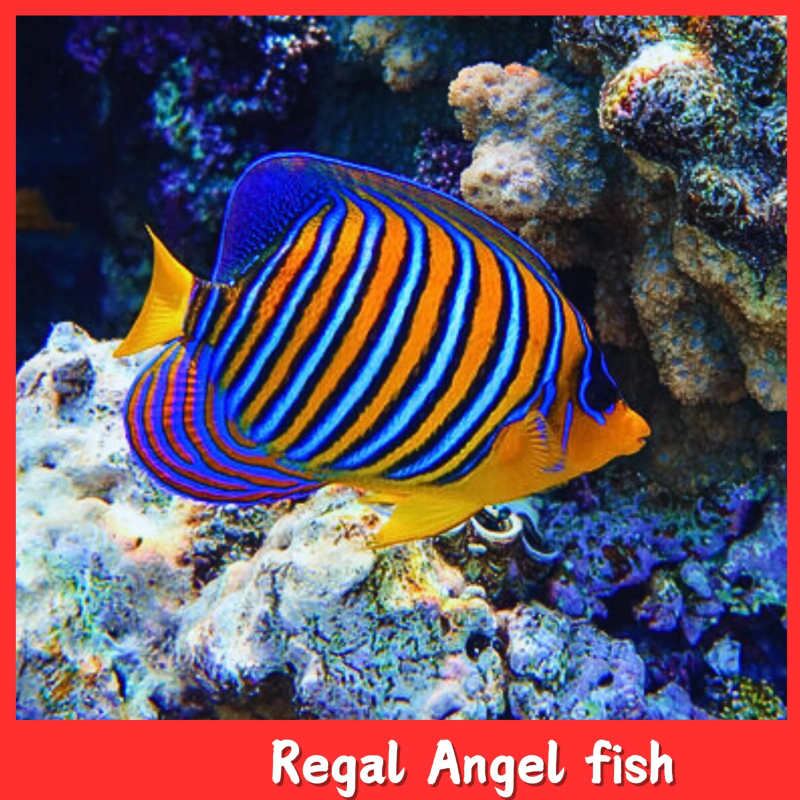
Few fish in the marine hobby carry the word “regal” in their common name and actually live up to it. The Regal Angelfish (Pygoplites diacanthus) does. Bold vertical stripes of white, orange, and yellow edged in vivid black cover a body that moves through the water with the kind of unhurried confidence that only comes from being genuinely striking. The rear portion of the body transitions into deep blue, and the flowing fins carry their own complex patterning that makes this fish look different depending on the angle you view it from. It is, without question, one of the most visually complex and beautiful large angelfish available in the hobby.
It also comes with a reputation for being challenging. That reputation is fair — but it is also much more manageable with a properly quarantined specimen from a trusted source like Dr. Reef’s Quarantined Fish than it is with a fish pulled straight from a wholesaler tank and shipped to your door the next day.
Red Sea vs. Bali: Which Regal Angelfish Should You Choose?
Dr. Reef’s offers two variants of the Regal Angelfish: the Red Sea Yellow Belly and the Bali Grey Belly. These are not just cosmetic differences. The Red Sea yellow belly variant (Pygoplites diacanthus flavescens) displays a distinctive bright yellow to orange chest that is widely considered the more visually stunning of the two. More importantly, Red Sea specimens have a strong reputation in the hobby for being hardier and adapting more readily to captivity. This has less to do with the fish’s genetics and more to do with the fact that Red Sea collection, handling, and shipping standards are exceptional. Fish from this region tend to arrive in better condition and transition more smoothly into home aquariums.
The Bali grey belly variant is breathtakingly beautiful in its own right, with a blue-grey chest that creates a cooler, more dramatic contrast against the striped body. Captive-bred specimens from Bali have become available and represent a significant improvement in survival rates compared to wild-caught Pacific specimens. If you want a captive-bred Regal Angelfish with better adaptability and disease resistance, the Bali captive-bred option is worth considering.
For current pricing on both variants, visit drreefsquarantinedfish.com/shop. Pricing varies by size and availability.
Tank Requirements
The Regal Angelfish needs a mature, well-established aquarium. Do not introduce this fish into a tank that has been running for less than six months. Adults reach 10 inches and require a minimum of 125 to 180 gallons, with larger systems always preferred. The tank must have extensive live rock with caves, ledges, crevices, and overhangs. This fish is naturally cautious and needs secure hiding spots to feel safe enough to come out and show itself.
Water parameters:
- Temperature: 72°F to 78°F
- pH: 8.1 to 8.4
- Specific Gravity: 1.021 to 1.023
- dKH: 8 to 12
Water quality must be pristine and stable. The Regal Angelfish is sensitive to parameter swings and does not forgive a poorly maintained system. A strong protein skimmer and regular water changes are non-negotiable.
Diet
In the wild, Regal Angelfish feed primarily on sponges and tunicates, supplemented by filamentous algae and small benthic invertebrates. Getting a captive specimen to accept prepared foods is the most important early hurdle in keeping this fish.
Feed small portions three to five times daily, especially in the first weeks. Offer frozen mysis shrimp, enriched brine shrimp, chopped clams, mussels, and scallops as meaty options. For plant matter, nori sheets, Spirulina, and marine algae preparations are essential. The most important specialty item is a high-quality marine angelfish formula that contains actual sponge material — this is now available from several manufacturers and is genuinely important for long-term health and coloration. Quality pellets like Masstick or Easy Reefs DKI pellets are excellent options for well-acclimated fish.
Dr. Reef’s quarantine process conditions every Regal Angelfish to accept a variety of prepared foods before shipping, which dramatically reduces the early feeding challenges that cause most failures with this species.
Reef Compatibility
The Regal Angelfish is generally considered one of the more reef-safe large angelfish species. It will not destroy a reef the way a French or Emperor Angel would, but it may nip at LPS corals, soft corals, and clam mantles, especially if underfed. Many aquarists keep Regals successfully in mixed reef tanks with careful attention to feeding. Others prefer to house them in FOWLR systems to eliminate the risk entirely. If you try it in a reef, feed generously and watch the fish’s behavior closely. For broader guidance on what works well in a coral system, see Dr. Reef’s blog post on reef-safe fish for coral tanks.
Behavior and Tank Mates
The Regal Angelfish is naturally shy and cautious, particularly when first introduced. It will spend a lot of time hiding in rockwork as it adjusts to its new surroundings. Give it time. Introduce it before more assertive fish, not after, so it has a chance to establish territory and confidence before dealing with competition.
Do not house multiple Regals together under any circumstances, not even opposite sexes. Do not pair it with larger aggressive angelfish from Pomacanthus or Holacanthus genera — see Dr. Reef’s compatibility chart for reference. Avoid boisterous feeders that will out-compete it at mealtimes. The ideal tank mates are peaceful, similarly sized fish: tangs from different genera, reef-safe wrasses, anthias, chromis, cardinalfish, and calm butterflyfish.
Keep the area around the tank quiet and low-traffic while the fish is settling in. Dimmer lighting initially also helps this naturally cautious species feel secure enough to venture out.
Why Quarantine Is Everything With This Fish
The Regal Angelfish’s historical difficulty in captivity is almost entirely tied to the condition of the fish at the point of purchase. A stressed, parasite-laden fish that has been sitting in a wholesaler’s tank for weeks before sale is starting from a terrible position. A fish that has been through Dr. Reef’s full quarantine protocol, which means a treated, observed, conditioned to eat prepared foods, and confirmed healthy, is starting from the best possible position.
That difference, more than any other factor, determines whether keeping a Regal Angelfish is a success story or a frustrating loss. Once your fish arrives, follow Dr. Reef’s acclimation guide to give it the smoothest possible transition into your system.
Visit drreefsquarantinedfish.com to check the current availability of both the Red Sea Yellow Belly and Bali Grey Belly Regal Angelfish. Place your request, and Dr. Reef will source, quarantine, and prepare your fish to the same standard that has earned this store its reputation among serious reef hobbyists across all 50 states.