
Frags for Sale: How to Choose Healthy Coral Frags and Avoid Common Mistakes

Frags for Sale: How to Choose Healthy Coral Frags and Avoid Common Mistakes
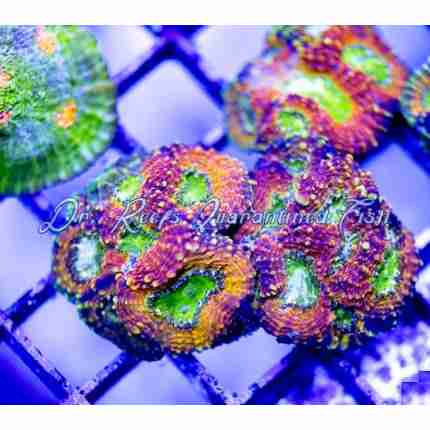
If you are building a reef tank, coral frags are one of the most exciting parts of the journey. A single frag today can become a massive, colorful colony in a year. But not all frags are created equal. Choosing the wrong frag, or making a few common beginner mistakes, can mean losing money, losing time, and losing the coral altogether. The good news is that with the right knowledge and the right source, building a stunning reef with healthy frags is very achievable. Dr. Reef makes that process easier than ever by offering properly quarantined, healthy frags that are ready to grow from the moment they arrive at your door.
What Is a Coral Frag?
A coral frag is a small piece of coral that has been cut or broken from a larger parent colony. The word frag is short for fragment. Fragging is a completely natural process. Corals in the wild break apart during storms and strong currents, and those broken pieces land on the reef, attach to rock, and grow into new colonies on their own. In the aquarium hobby, reefers replicate this process intentionally by carefully cutting healthy colonies and mounting the pieces onto small plugs, tiles, or rubble rock.
Frags are one of the most popular ways to expand a reef tank. They are more affordable than full colonies. They are easier to ship safely. And when they are healthy and well-sourced, they grow quickly and reward the reefer with a beautiful piece of living reef.
The key phrase there is healthy and well-sourced. That is where Dr. Reef stands apart from the rest.
Why Source Matters More Than Anything Else
Before getting into what to look for in a healthy frag, it is worth understanding why the source of your frag matters so much. The coral hobby has a serious problem with disease transmission. Pests like Acropora-Eating Flatworms, Montipora-Eating Nudibranchs, Zoanthid-Eating Spiders, and the dreaded Rapid Tissue Necrosis can hitch a ride on a frag and devastate an entire reef tank in days.
Many sellers in the hobby move frags quickly without properly observing them first. A frag can look perfectly healthy on the surface while carrying pests or early-stage disease that is not yet visible. When that frag goes into your display tank, the problem spreads to every coral you have worked so hard to grow.
Dr. Reef solves this problem at the source. Every frag sold by Dr. Reef goes through a dedicated quarantine and observation period before it is ever listed for sale. This means each frag has been watched closely, fed, checked for pests, and confirmed healthy before it ships to you. When your frag arrives from Dr. Reef, it is not unknown. It is a verified, healthy piece of coral that is ready to thrive.
That peace of mind is priceless when you have an established reef tank full of corals you care about.
How to Identify a Healthy Coral Frag
Whether you are shopping online or browsing a local frag swap, knowing what a healthy frag looks like gives you a major advantage. Here are the signs to look for.
Full and Extended Polyps
A healthy coral frag shows extended, open polyps. Soft corals like zoanthids and mushrooms should be fully open and showing vibrant color. LPS corals like Hammer, Torch, and Frogspawn should have puffy, extended tentacles. SPS corals like Acropora and Montipora should show polyp extension across the surface, especially under good lighting and flow. Polyps that are retracted, shriveled, or closed for extended periods are a sign of stress or disease.
Strong, Saturated Color
Healthy frags display rich, saturated color. A well-fed, well-lit coral will look vivid and bright. Pale, washed-out, or bleached areas on a frag are red flags. Bleaching happens when a coral is stressed and expels the zooxanthellae living in its tissue. A slightly pale frag can recover, but a heavily bleached frag is already fighting for survival and is a risky purchase.
Clean Tissue and Base
Look at the base of the frag plug and the tissue near the bottom of the coral piece. Healthy frags have clean tissue all the way to the mounting surface. Tissue recession, which looks like the coral pulling back and exposing the bare skeleton, is a serious warning sign. Even a small amount of tissue recession at the base can spread quickly and kill the entire frag.
No Visible Pests or Unusual Marks
Look closely at the frag for anything that seems out of place. Tiny white dots, unusual discoloration, small worms, or patches where the tissue looks eaten away are all signs of pest activity. With zoanthids in particular, look at the base and between the polyps, where small predatory nudibranches and spiders like to hide.
Active Feeding Response
If you have the chance to see a frag fed before buying it, take it. A coral that responds eagerly to food by extending its tentacles and actively capturing particles is a coral in good health. A coral that shows no feeding response at all over multiple feeding attempts is worth being cautious about.
Common Mistakes New Frag Buyers Make
Even reefers who know what a healthy frag looks like can fall into traps when buying. Here are the most common mistakes and how to avoid every single one of them.
Skipping Quarantine at Home
This is the biggest mistake in the hobby. Even when buying from a trusted source like Dr. Reef, setting up a dedicated quarantine tank at home is one of the smartest investments you can make. A simple 10 to 20-gallon tank with basic lighting, a heater, and a small pump is all you need.
Place every new frag in the quarantine tank for two to four weeks before it enters your display tank. Watch it carefully during this time. Any pest, disease, or stress reaction that is going to show up will appear during this window, safely away from the rest of your corals. This one habit protects everything you have already built.
Placing Frags in the Wrong Spot Immediately
Every frag needs time to adjust to your tank’s specific lighting and flow conditions. Even if you know the coral prefers high light, blasting a new frag with full intensity from day one is a recipe for bleaching. Start new frags lower in the tank with gentler flow. Over two to three weeks, slowly move the frag toward its permanent home while it adapts. This gradual acclimation process makes a dramatic difference in how quickly a frag heals, attaches, and starts growing.
Buying Too Many Frags at Once
It is easy to get carried away at a frag sale or when browsing Dr. Reef’s listings. The variety is incredible, and the excitement of building a reef is real. But adding too many new frags at once puts stress on your water chemistry and makes it much harder to catch a problem early if one frag brings in something unexpected. Add frags in small batches and give each group time to settle before adding more.
Ignoring Water Parameters
A frag from a healthy, stable system can decline quickly when placed into a tank with unstable water chemistry. Before adding any new coral, make sure your alkalinity, calcium, magnesium, and salinity are all dialed in and consistent. Swings in alkalinity, in particular, are one of the leading causes of coral stress and tissue necrosis. Test your water regularly and address any instability before spending money on new frags.
Choosing Price Over Quality
Cheap frags are tempting. But a frag that costs less because it was not properly cared for, quarantined, or observed is not actually a bargain. The real cost shows up later when that frag introduces disease or pests into your display tank. Buying quality frags from a reputable source like Dr. Reef protects your entire investment. The slightly higher upfront cost is nothing compared to the cost of losing a full reef to an avoidable pest outbreak.
What Makes Dr. Reef Frags Different
Dr. Reef is not just another frag seller. Every single piece of coral available through Dr. Reef has been through a thorough quarantine process, observed for signs of health and stability, and confirmed ready before it ships. The team at Dr. Reef genuinely cares about the health of every coral and the success of every customer.
Reefers who buy from Dr. Reef consistently report frags that arrive in excellent condition, show polyp extension quickly after acclimation, and begin growing sooner than expected. That is not luck. That is the result of a careful, consistent process that puts coral health above everything else.
Dr. Reef also offers honest, detailed care information for every coral listed. You will never be left guessing about placement, lighting, flow, or feeding. The knowledge is right there alongside the coral, so you have everything you need to succeed from day one.
Ready to Build Something Beautiful?
Frags are where reef tanks come to life. Each one is a small beginning that, with the right care and the right starting point, grows into something truly spectacular. Dr. Reef’s Quarantined Fish gives you the best possible starting point with every frag.
Browse the current frag selection at Dr. Reef today. Whether you are just starting your reef or adding to a mature display, you will find healthy, stunning corals that are ready to grow and ready to impress.
Your reef deserves the best. Dr. Reef delivers exactly that.