
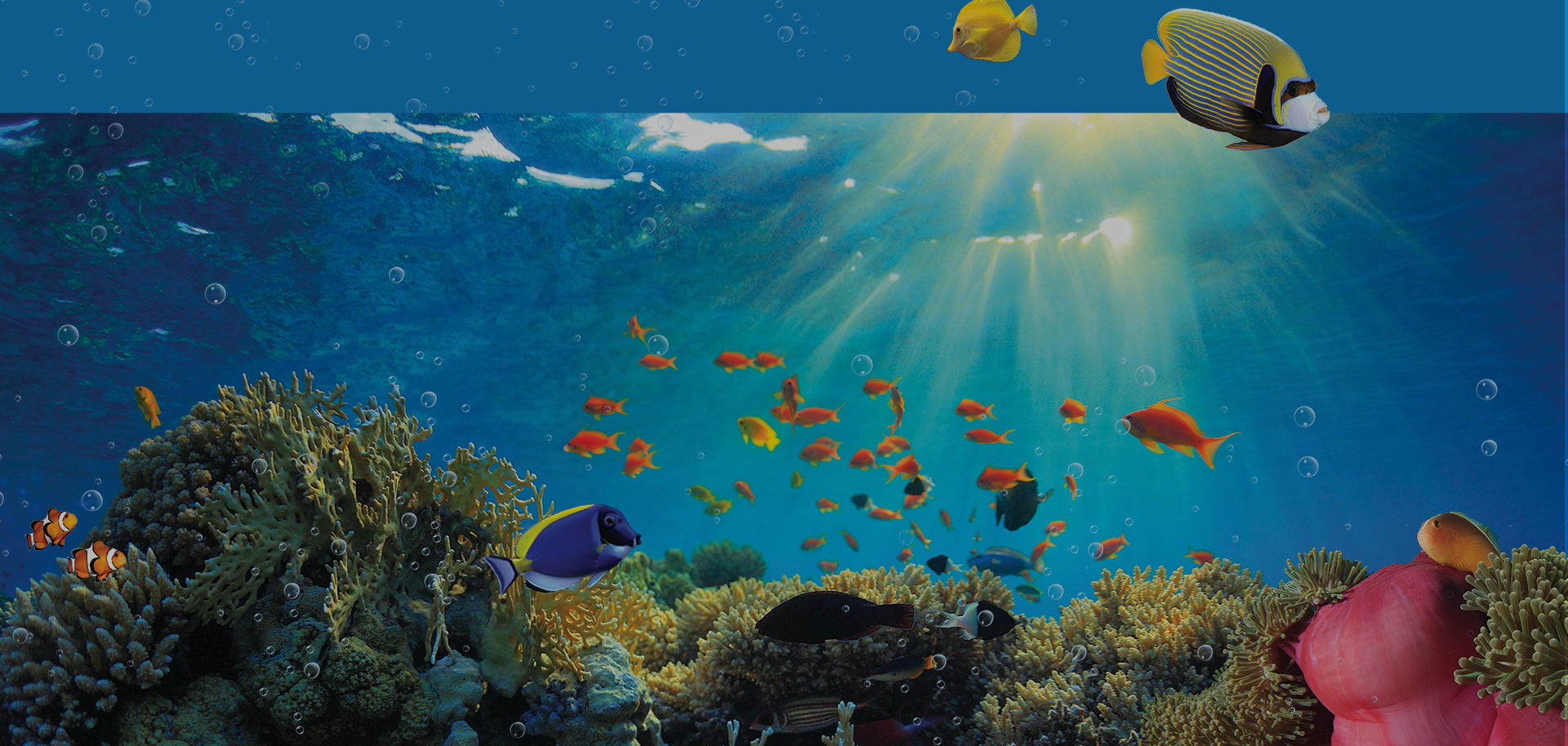
Frag Coral for Sale: How to Start a Reef Tank with Coral Frags

Frag Coral for Sale: How to Start a Reef Tank with Coral Frags
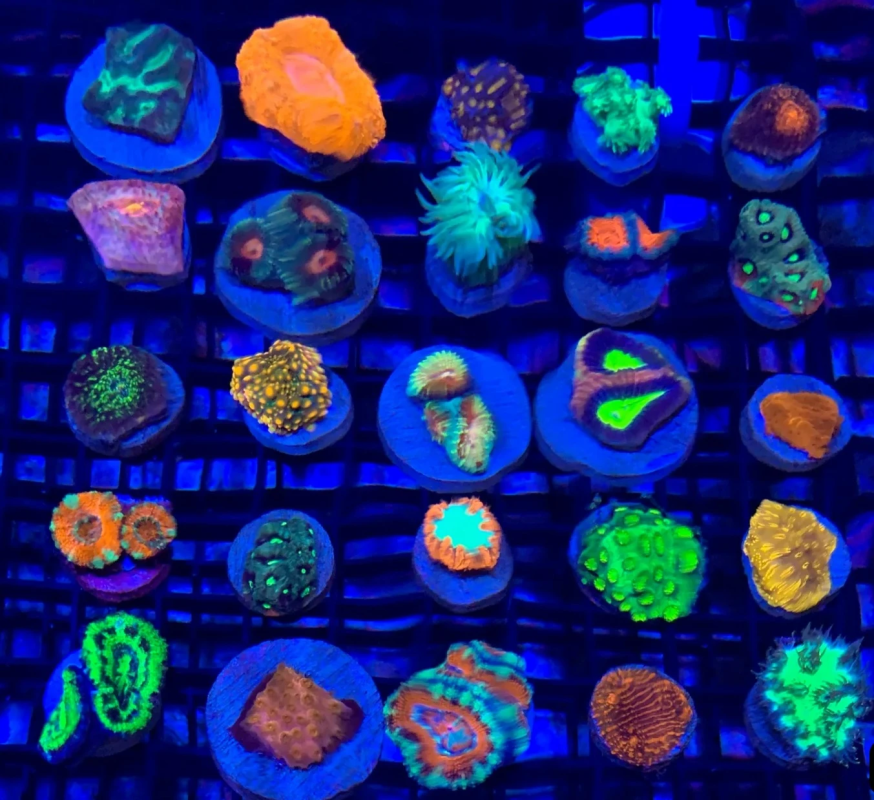
Coral frags are small, aquaculture propagated pieces of coral attached to a small plug or fragment of rock. They are the smartest, most sustainable, and most beginner accessible way to start building a reef tank with live coral. Dr. Reef’s Quarantined Fish carries a broad selection of quarantined coral frags across more than 20 coral categories including Acropora, Hammer, Frogspawn, Torch Corals, Zoas, Mushrooms, Montipora, Blastomussa, Chalice, Goniopora, Lobophyllia, Leathers, Favia, Galaxea, Stylophora, Birds Nests, Acans, Cyphastrea, Lepto, Diploastrea, and Misc. Corals, plus Frag Packs and Coral Packs and Colonies, all at drreefsquarantinedfish.com.
What Is a Coral Frag?
A coral frag is a small fragment cut or broken from a larger coral colony and attached to a frag plug, a small disc usually made of ceramic, epoxy, or rubble rock. The fragment heals over the plug over several weeks and eventually grows into a full coral colony given appropriate light, flow, and water chemistry.
Frags allow coral hobbyists to propagate and share coral without harvesting from wild reefs. They are the foundation of the coral trading and fragging culture that has made reef keeping more sustainable, more accessible, and more community driven over the past two decades. Buying frags from a trusted source like Dr. Reef’s means your coral arrived from an aquaculture propagated source rather than being collected directly from a natural reef.
Why Buy Quarantined Coral Frags?
This is the most important question new reef keepers rarely think to ask. Most coral sold online and in local stores has not been quarantined. Unquarantined coral can introduce flatworms, montipora eating nudibranchs, Acropora eating flatworms, zoanthid eating spiders, bacterial infections, and various other pests directly into your display tank. Once these hitchhikers are in your reef they are extremely difficult to remove without significant disruption or loss.
Dr. Reef’s coral frags are sold as quarantined only, consistent with their policy across all livestock categories. The product listing clearly states that all corals are quarantined before they ship. This protection is especially valuable for new reef keepers who may not yet have the experience to identify and treat coral pests before they spread through an entire collection.
Dr. Reef’s also notes on their category page that product photos are representative and that actual items may show some variation in markings or shades of color, which is completely normal for living coral. This transparency is a positive trust signal.
What Coral Frags Does Dr. Reef’s Carry?
Dr. Reef’s coral frag catalog is organized into the following confirmed categories directly from their website navigation.
SPS corals, small polyp stony corals, include Acropora, Montipora, Stylophora, Birds Nests, Cyphastrea, and Galaxea. These are generally the more demanding coral types that require higher light and more stable water chemistry but offer extraordinary growth forms and coloration.
LPS corals, large polyp stony corals, include Hammer, Frogspawn, Torch Corals, Favia, Goniopora, Lobophyllia, Blastomussa, Chalice, Lepto, Diploastrea, and Acans. LPS corals are generally more forgiving of moderate water parameters and are often recommended as the starting point for new coral keepers.
Soft corals and other categories include Mushrooms, Leathers, Zoas, and Misc. Corals. Mushrooms and Zoas are among the most beginner friendly corals available anywhere in the hobby.
Frag Packs bundle multiple frags together for keepers who want to start with variety rather than a single specimen.
Coral Packs and Colonies provide larger, more established coral pieces for keepers who want to skip the early growth phase.
Which Coral Frags Are Best for Beginners?
If you are starting your first reef tank with coral, these categories from the Dr. Reef’s catalog are the most beginner friendly in order of accessibility.
- Mushroom corals are at the top of the beginner list. They tolerate a wide range of lighting conditions from low to moderate, accept moderate water flow, and are extremely forgiving of minor water parameter swings. They reproduce readily and are genuinely hard to kill with basic reef care.
- Zoas, also called zoanthids, come in an extraordinary range of colors and patterns. They grow well under moderate lighting, tolerate moderate to high flow, and are generally hardy once established. New reef keepers often start with Zoas because the color variety is immediately rewarding and individual polyps are affordable entry points.
- Blastomussa, Favia, and Lobophyllia are all forgiving LPS corals that do well under moderate lighting and lower flow conditions. They are visually striking and generally more tolerant of imperfect water chemistry than SPS corals.
- Leathers are soft corals that require minimal special care beyond appropriate lighting and flow. They are fast growing and very tolerant of a range of conditions.
- Hammer, Frogspawn, and Torch Corals are popular intermediate LPS corals with dramatic sweeping tentacle displays. They need moderate to good lighting and moderate flow. They are toxic to neighboring corals if placed too close, so spacing matters.
- Acropora and most SPS corals are for established reef keepers with stable, mature systems and consistent dosing programs. They are not beginner corals but they are the pinnacle of reef keeping coloration and growth form diversity.
What Tank Parameters Do Coral Frags Need?
- Coral parameter requirements vary by type but these are the general baselines for a successful reef tank housing a variety of frag types.
- Temperature 76 to 80 degrees Fahrenheit with consistency being more important than the exact number. Salinity 1.025 to 1.026. pH 8.1 to 8.4. Alkalinity 8 to 11 dKH. Calcium 380 to 450 ppm. Magnesium 1250 to 1350 ppm. Nitrate under 10 ppm for SPS, under 20 ppm for LPS and softs. Phosphate under 0.1 ppm.
- Consistency is the key word across all parameters. Corals can adapt to a range of values. What they cannot tolerate is rapid swings in any direction. Stable chemistry maintained through regular water changes and testing is the foundation of healthy coral growth.
Lighting Requirements for Coral Frags
Lighting is the most commonly misunderstood variable in reef keeping and the one that causes the most new keeper frustration. Different coral categories have genuinely different lighting needs and placing a high light coral under low light, or a low light coral under blasting intensity, will stress or kill it regardless of how perfect your water chemistry is.
Mushrooms and most soft corals do well under low to moderate PAR levels of 50 to 150. Many LPS corals including Hammer, Frogspawn, Blastomussa, and Goniopora thrive in the 75 to 200 PAR range. Acropora and high light SPS corals require 200 to 400 PAR or more depending on species.
When new frags arrive, always place them lower in the tank first regardless of their eventual target placement. Allow two to three weeks for acclimation before gradually moving them toward their final position. This prevents light shock, which is one of the most common causes of frag failure after purchase.
Flow Requirements for Coral Frags
Water flow removes waste from coral surfaces, delivers nutrients, and prevents dead spots that encourage pest growth. Different coral types need different levels of flow.
Soft corals generally prefer low to moderate, gentle flow that makes their bodies move naturally without being blown flat. LPS corals prefer indirect, moderate flow that creates gentle water movement without directly blasting the polyp opening. SPS corals need moderate to high, randomized flow that mimics natural reef surge.
Wavemakers with randomized programs work better than single directional pumps for most reef setups because they create the varied, non-directional flow that reef corals evolved in.
How to Place New Frags in Your Tank
Placement matters both for the coral’s health and for the long term aesthetics of your reef. Here are the practical steps that apply to every frag purchase from Dr. Reef’s or anywhere else.
Acclimate the frag to your tank water temperature by floating the sealed bag for 15 to 20 minutes. Follow the acclimation guide at drreefsquarantinedfish.com for full step by step instructions specific to their livestock.
Place the frag on the sandbed or at the lowest point in your aquascape first regardless of its eventual target placement. Observe for one to two weeks before moving it higher toward stronger light.
Give corals space. A 2 to 3 inch minimum gap between different coral species prevents chemical warfare, sweeper tentacle damage, and territorial aggression between species. LPS corals with sweeping tentacles need more space than that from their neighbors.
Do not place new frags directly next to established coral colonies until you have confirmed the new frag is healthy, opening normally, and showing no signs of stress or disease.
Frag Packs: The Best Value Starting Point
For new reef keepers who want to start with variety rather than a single species, the Frag Packs category at Dr. Reef’s bundles multiple quarantined frags together at better combined value than buying individual pieces. This is one of the most efficient ways to begin populating a new reef system with a mix of coral types while keeping the total purchase in a manageable price range.
Browse the current Frag Packs selection at drreefsquarantinedfish.com under Coral Frags.
Frequently Asked Questions About Coral Frags
Q: What is the difference between a frag and a coral colony?
A: A frag is a small fragment of coral on a plug, the beginning of a colony. A colony is a larger, more established piece that is already showing significant growth. Dr. Reef’s carries both frags and colonies under separate categories.
Q: Why buy quarantined coral frags?
A: Unquarantined coral introduces pests like flatworms, nudibranchs, and bacterial infections directly into your display tank. Dr. Reef’s sells all corals as quarantined only, protecting your entire reef investment from day one.
Q: What are the easiest coral frags for beginners?
A: Mushrooms, Zoas, Blastomussa, Leathers, and Favia are among the most forgiving and beginner accessible species in the Dr. Reef’s coral catalog.
Q: What lighting do coral frags need?
A: It depends on the species. Mushrooms and soft corals need low to moderate light. Most LPS need moderate light. SPS like Acropora need high light. Always start new frags low in the tank and acclimate gradually.
Q: How many coral frags can I put in a new reef tank?
A: This depends on your tank size, filtration, and water parameters. Start with a small number, observe how your system responds, and add more gradually as your tank stabilizes and matures.
Q: Does Dr. Reef ship coral frags to all 50 states?
A: Yes. Dr. Reef ships to all 50 states overnight via UPS. Free shipping on orders over $500.
The Bottom Line on Coral Frags
Starting a reef tank with quarantined coral frags from a trusted source is the smartest, safest, and most sustainable path into coral reef keeping. Dr. Reef’s Quarantined Fish carries frags across more than 20 coral categories, from beginner friendly Mushrooms and Zoas to advanced Acropora and SPS, all quarantined before shipping overnight via UPS from Tulsa, Oklahoma.