
White Tail Bristletooth Tang for Sale

White Tail Bristletooth Tang for Sale – A Peaceful and Reef-Safe Tang for Marine Aquariums
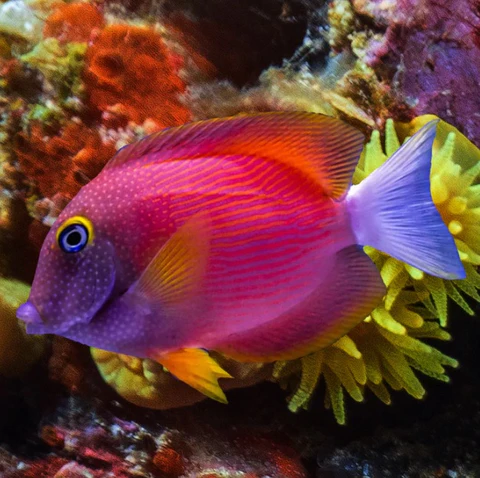
The White Tail Bristletooth Tang (Ctenochaetus flavicauda) is one of the most underrated fish in the marine aquarium hobby. It is not as flashy as some of the more well-known tangs, but what it offers is something many reef keepers value just as much. It is peaceful, reef-safe, hardy, and incredibly useful at keeping algae under control. If you have been searching for a White Tail Bristletooth Tang for sale, this guide will help you understand exactly what this fish needs and how to find a healthy specimen worth bringing home.
What Is the White Tail Bristletooth Tang?
The White Tail Bristletooth Tang is a member of the Ctenochaetus genus, a group of tangs known for their bristle-like teeth that are perfectly designed for grazing algae and detritus off rock surfaces. It is native to the reefs of the central and western Pacific Ocean, where it spends its days grazing constantly across hard coral and rocky substrate.
Its appearance is understated but attractive. The body is a deep brown to olive color with fine horizontal lines running along the sides. The tail is distinctly white or pale, which is where its common name comes from. As it matures, the colors become richer and the white tail more defined, making it a quietly elegant fish in a reef setting.
What sets this tang apart from more aggressive species is its calm, non-confrontational nature. It gets along well with other fish and rarely causes trouble in a community tank, making it one of the easiest tangs to work with in a mixed reef setup.
Why the White Tail Bristletooth Tang Is Great for Reef Tanks
If you keep a reef aquarium, this fish earns its place very quickly. Here is what makes it such a popular choice among reef aquarists:
It controls algae naturally. The White Tail Bristletooth Tang grazes almost constantly throughout the day. Its bristle teeth are designed to rake filamentous algae, film algae, and detritus off live rock and glass surfaces. This makes it one of the most effective natural algae management tools available for a reef tank.
It is genuinely reef-safe. Unlike some tangs that nip at corals or clams, the White Tail Bristletooth Tang focuses entirely on algae and does not bother coral polyps, clams, or other invertebrates. You can keep it confidently in a full reef setup.
It is peaceful with other fish. This tang does not have the aggressive territorial behavior that some other tang species are known for. It coexists well with most peaceful to semi-aggressive tank mates and rarely initiates conflict.
It is hardy once established. Compared to more delicate tang species, the White Tail Bristletooth Tang is a resilient fish that adapts well to aquarium life when it comes from a quality source and is given stable conditions.
Why Buying a Quarantined Specimen Makes All the Difference
No matter how hardy a fish species may be, the way it is sourced and handled before it reaches you has a huge impact on how well it does in your tank. This is especially true for tangs, which are known to be susceptible to ich and other parasitic infections, particularly when stressed during transport.
At Dr. Reef’s Quarantined Fish, every White Tail Bristletooth Tang goes through a thorough quarantine process before being offered for sale. Each fish is observed closely for signs of disease, parasites, or stress-related conditions during this period. Any health issues are identified and treated before the fish ever leaves the facility.
Quarantine also gives the fish time to settle down after the stress of collection and shipping. By the time the fish is available for purchase, it is already calm, feeding reliably, and adjusted to captive conditions. This makes the transition into your display tank far smoother and greatly reduces the risk of early losses.
Skipping this step by buying from sources that do not quarantine their livestock is one of the most common reasons tangs fail in home aquariums. The short-term saving is rarely worth it.
What a Healthy White Tail Bristletooth Tang Looks Like
Knowing what to look for when buying a White Tail Bristletooth Tang for sale helps you make a confident and informed choice.
Good body weight. The fish should look full and rounded along the back and sides. A fish with a pinched or sunken belly has likely been underfed or stressed for an extended period.
Active grazing behavior. A healthy specimen grazes constantly. If you see a tang picking at rock surfaces or the sides of the tank, that is a great sign. A fish that sits still and shows no interest in grazing is cause for concern.
Clear, bright eyes. The eyes should be alert and responsive. Cloudy or dull eyes often indicate poor health or early disease.
Clean skin and fins. Look for smooth, intact fins without tears, white spots, or unusual markings. Small white spots can be an early sign of ich, which spreads quickly in a closed system.
Eating prepared foods. Ask the supplier whether the fish is eating dried algae sheets, frozen foods, or other prepared items. A fish that is already eating well in the supplier’s care will be much easier to feed in your own tank.
Tank Setup for a White Tail Bristletooth Tang
Before you look for a White Tail Bristletooth Tang for sale, make sure your aquarium can properly support this species.
Tank size should be at least 70 gallons. Tangs are active swimmers that need open water to move freely. A tank that is too small causes stress and can lead to health problems over time.
Plenty of live rock gives the tang surfaces to graze on throughout the day. This is one of the most natural and important parts of its environment. The more grazing surface you provide, the more settled and active the fish will be.
Stable water parameters are essential. Maintain salinity at 1.025 to 1.026, temperature between 74 and 80 degrees Fahrenheit, and pH between 8.1 and 8.3. Tangs are more sensitive to poor water quality than many other reef fish.
Good water flow and oxygenation are important for this active species. Make sure your tank has adequate circulation and surface agitation.
Peaceful tank mates are the best companions for this tang. It works well alongside other peaceful reef fish, clownfish, gobies, and wrasses. Avoid keeping it with highly aggressive species that may stress or bully it.
Feeding Your White Tail Bristletooth Tang
The White Tail Bristletooth Tang is a grazer by nature, and feeding it is relatively straightforward compared to some other reef fish.
Dried algae sheets, also known as nori, are the foundation of its diet in captivity. Clip a sheet to the glass or a rock and the tang will graze on it throughout the day. This closely mirrors its natural feeding behavior and keeps it well nourished.
Frozen herbivore foods such as frozen mysis with algae, spirulina-enriched brine shrimp, and prepared herbivore blends are excellent supplements to the diet.
A tank with established live rock and natural algae growth gives the fish additional grazing opportunities between formal feedings, which helps keep it active and content.
Feed at least once a day with algae sheets available at all times if possible. A well-fed tang is a healthier, more active, and more disease-resistant fish.
What Does a White Tail Bristletooth Tang Cost?
The White Tail Bristletooth Tang is generally reasonably priced compared to rarer tang species. Prices typically range from $50 to $120 depending on size and the level of care the supplier has invested before the sale.
As with any marine fish, a quarantined specimen from a reputable supplier is worth the extra cost. The price difference between a quarantined fish and a non-quarantined one is small compared to the cost of dealing with disease, treating your tank, or replacing lost livestock.
The Dr. Reef’s Quarantined Fish Advantage
When you buy a White Tail Bristletooth Tang from Dr. Reef’s Quarantined Fish, you are getting a fish that has been given the best possible start in captive life. Every specimen is individually quarantined, monitored for health, treated for any issues found, and conditioned to eat prepared foods before it ships to your door.
This means less stress for the fish, less risk for your existing tank inhabitants, and a much higher chance of long-term success for you as a hobbyist. The hard work of getting a new fish through the critical early period has already been done.
You are also protecting your reef. Introducing an untreated fish directly into a display tank is one of the fastest ways to trigger a disease outbreak. Quarantined livestock removes that risk and lets you add new fish with confidence.
Final Thoughts
The White Tail Bristletooth Tang might not be the loudest or most colorful fish in the hobby, but it is one of the most genuinely useful and enjoyable reef fish you can keep. It works hard, stays peaceful, leaves your corals alone, and adds quiet beauty to any marine aquarium.
If your tank has the space, the stable parameters, and the live rock to support it, this tang will quickly become one of your favorites. When you are ready to find a White Tail Bristletooth Tang for sale, choose Dr. Reef’s Quarantined Fish for a healthy, conditioned specimen that is ready to thrive from day one.