
Black Tip Reef Shark

Black Tip Reef Shark for Sale: A Striking Predator for Large Dedicated Marine Aquariums
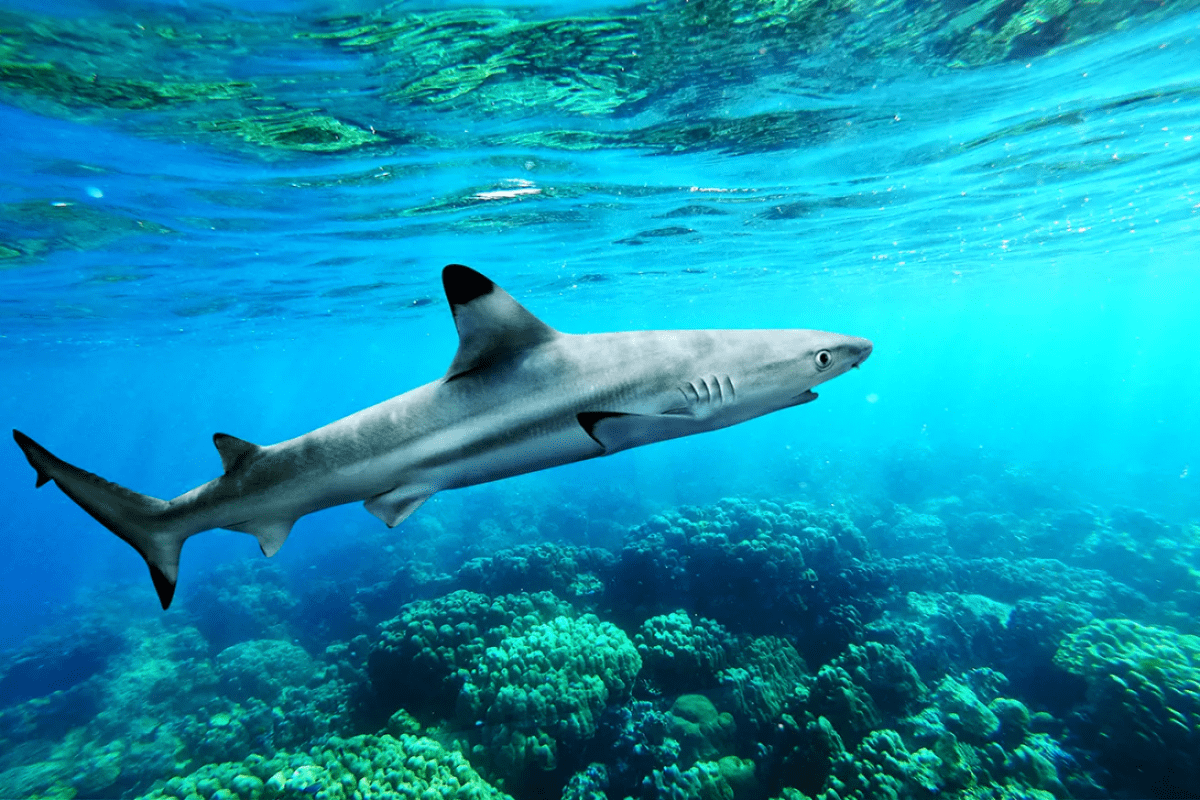
If you’ve been dreaming of keeping one of the ocean’s most iconic predators, the Blacktip Reef Shark (Carcharhinus melanopterus) is the species that defines what a dedicated, large-scale marine system can achieve. With its sleek torpedo-shaped body, striking black-tipped fins, and effortless gliding motion through the water, this is a fish that transforms an aquarium into something genuinely extraordinary.
At Dr. Reef’s Quarantined Fish, every Blacktip Reef Shark we offer has been carefully sourced, professionally conditioned, and is genuinely ready for the dedicated system of a fully prepared and experienced marine aquarist.
What Makes the Blacktip Reef Shark So Captivating?
The Blacktip Reef Shark is one of the most recognizable shark species in the world. Found throughout the shallow coastal waters and reef flats of the Indo-Pacific, it is built for speed, agility, and constant movement. Its distinctive black-tipped fins cut through the water with effortless precision, and its alert, predatory awareness gives it a presence that no other marine fish can replicate.
This is not a novelty purchase. Keeping a Blacktip Reef Shark is a serious, long-term commitment that demands purpose-built infrastructure, deep experience with large marine predators, and a genuine understanding of what this animal needs to thrive in captivity. For the hobbyist who is truly prepared, it is one of the most rewarding and awe-inspiring animals in the entire marine keeping hobby.
The Size Reality: A Predator That Commands Serious Space
Blacktip Reef Sharks are a substantial species. Adults in the wild regularly reach 5 to 6 feet in length, with some individuals exceeding that in ideal conditions. In well-maintained aquarium systems, specimens typically reach 4 to 5 feet, though growth depends heavily on system size, nutrition, and water quality.
This is not a fish that can be housed in a standard home aquarium and moved to something larger later. Planning for full adult size must begin before the animal ever enters your system. A shark housed in inadequate space develops serious physical and behavioral problems that are extremely difficult to reverse.
Growth Timeline: Steady and Consistent
Blacktip Reef Sharks grow steadily over several years. A juvenile of 12 to 18 inches will approach 24 to 30 inches within the first year under quality care and nutrition. By years two to three, healthy specimens commonly reach 36 to 42 inches. Full adult size develops over four to six years, rewarding dedicated keepers with a mature predator that commands every inch of its environment with quiet authority.
System Requirements: Purpose-Built Infrastructure Only
A minimum 3,000-gallon aquarium is the baseline recommendation for housing a single adult Blacktip Reef Shark long term, and larger purpose-built systems are strongly preferred. Circular or oval tank designs are ideal because they eliminate corners that cause stress and physical injury to a continuously swimming species.
Filtration must be exceptional. High-volume protein skimming, mechanical and biological filtration rated well beyond your system’s needs, and consistent water parameter monitoring are non-negotiable. Temperature between 74 and 82 degrees Fahrenheit, salinity at 1.021 to 1.025 SG, and near-zero ammonia and nitrite levels must be maintained without interruption.
Strong, consistent water flow is essential for a species that relies on ram ventilation to breathe. The Blacktip Reef Shark must keep moving to pass water over its gills, which means flow patterns, open swimming lanes, and tank geometry all directly affect its health and survival.
Feeding and Nutrition
Blacktip Reef Sharks are active carnivores that feed primarily on fish, squid, and crustaceans in the wild. In captivity, a varied diet of fresh and frozen whole fish, squid, and silversides should be offered several times per week. Target feeding using a feeding stick or tongs is recommended to ensure the shark is eating consistently and to monitor its appetite over time. A shark that stops eating is a shark under stress, and identifying that early is critical to resolving the underlying cause before health declines.
Compatibility and System Design
The Blacktip Reef Shark is best housed in a species-dedicated system or alongside large, robust fish that are too big to be considered prey. Suitable companions in appropriately sized systems include large groupers, jacks, and other open-water species that can match the shark’s pace and size. Any fish small enough to be eaten will eventually be eaten. This is a predator operating on instinct, and tank mate selection must reflect that reality without exception.
Legal and Ethical Considerations
Before purchasing a Blacktip Reef Shark, thoroughly research the legal requirements in your region. Some jurisdictions restrict or regulate the private keeping of shark species, and compliance with all applicable laws is the responsibility of the buyer. Dr. Reef’s is committed to ethical sourcing and will not facilitate sales that conflict with conservation standards or legal requirements. We encourage every prospective buyer to complete their legal due diligence before moving forward with a purchase of this nature.
Why Quarantine Matters at This Level
A shark arriving without professional quarantine and conditioning is an enormous risk. Wild-caught specimens are highly stressed from collection and transport, making them vulnerable to bacterial infections, parasites, and the feeding refusals that are among the most common causes of captive shark mortality. A professionally conditioned Blacktip Reef Shark has already proven it accepts captive feeding, remains stable under observation, and is displaying the behavior of a healthy, acclimated animal.