
Fowleri Tang

Fowleri Tang for Sale: A Bold and Fast-Moving Tang for Large Fish-Only Marine Systems
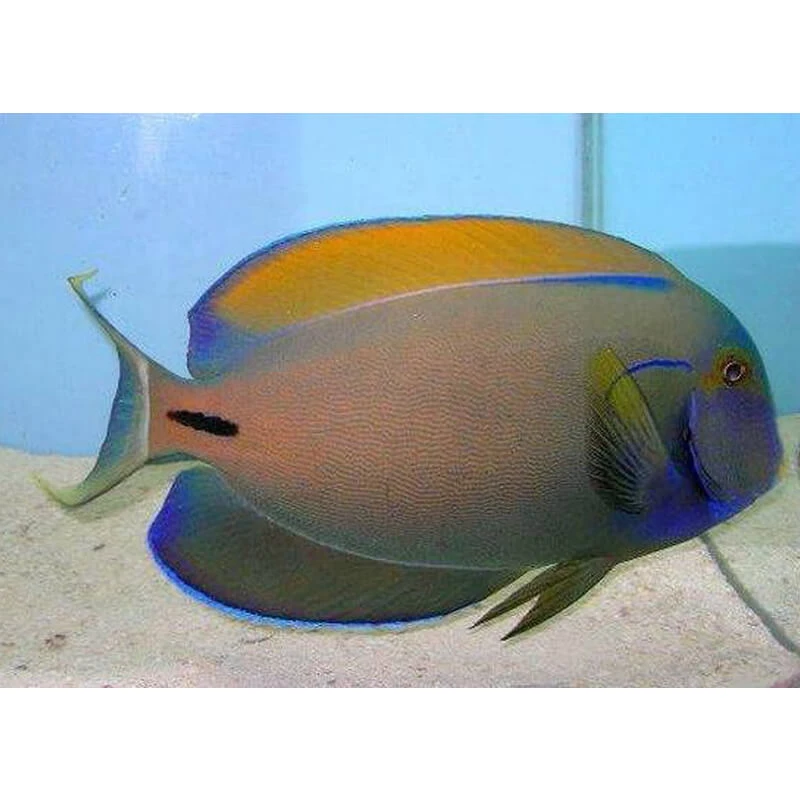
If you’ve been searching for a fast, powerful, and visually commanding fish to anchor a large fish-only marine system, the Fowleri Tang (Acanthurus fowleri), also known as the Fowler’s Surgeonfish, belongs at the top of your list. With its sleek elongated body, bold horizontal striping, and remarkable swimming speed, this is a fish that brings energy and presence to any system large enough to contain it.
At Dr. Reef’s Quarantined Fish, every Fowleri Tang we offer has completed our full quarantine protocol, is eating confidently, and is genuinely ready for the display tank of a prepared and experienced hobbyist.
What Makes the Fowleri Tang Stand Out?
The Fowleri Tang is not a fish you see in every marine store, and that rarity is part of its appeal. It is a deepwater surgeonfish native to the Indo-Pacific, built for speed and open water movement. Its body is streamlined and powerful, marked with distinctive horizontal lines that run the length of its frame, and it carries the commanding tail spine characteristic of all acanthurids.
This is a fish for hobbyists who want something beyond the ordinary. It is assertive, fast, and visually unlike most tangs commonly available in the hobby. When it is settled and thriving, the Fowleri Tang is one of the most impressive surgeonfish a dedicated marine aquarist can keep.
The Size Reality: A Fish That Grows Into Its Space
Fowleri Tangs are a large species. Adults in the wild regularly reach 18 inches, and well-kept aquarium specimens commonly grow to 14 to 16 inches over time. This is not a fish that stays small or slows down with age. It grows steadily and needs a system that can accommodate its adult size from the very beginning of your planning process.
That size translates directly into presence. A fully grown Fowleri Tang moving through a large display system is a genuinely breathtaking sight, and one that experienced hobbyists plan and prepare for deliberately.
Growth Timeline: What to Expect Over Time
Fowleri Tangs grow at a consistent pace over several years. A juvenile of 3 to 5 inches will approach 8 to 10 inches within the first two years under quality care and nutrition. By years three to four, most specimens reach 12 to 14 inches. Full adult coloration and size typically develop by year five to six, rewarding patient keepers with a fish that only improves with time and proper husbandry.
Tank Requirements: Size and Flow Are Non-Negotiable
A minimum 300-gallon aquarium is recommended for a single adult Fowleri Tang, and larger is always better. This is a fish-only or FOWLR species first and foremost. It is not considered reef-safe and is best housed in a dedicated fish-only system where its size, speed, and assertive nature can be properly managed.
Strong, consistent water flow is essential. The Fowleri Tang is built for life in open ocean environments with high oxygen levels and constant current. Temperature should be maintained between 72 and 82 degrees Fahrenheit with salinity at 1.020 to 1.025 SG and pristine water quality throughout.
Feeding and Nutrition
The Fowleri Tang is primarily herbivorous and needs a generous and varied plant-based diet to stay healthy and display its best coloration. Offer nori sheets regularly, supplement with spirulina-enriched frozen foods, and provide quality herbivore pellets as a dietary staple. Like all large surgeonfish, an underfed Fowleri Tang becomes stressed, pale, and prone to disease. Consistent, generous feeding is one of the most important things you can do to keep this species thriving long term.
Temperament and Tank Mates
The Fowleri Tang is bold and assertive, particularly toward other tangs and similarly shaped fish. In a system large enough to provide genuine territory, it can coexist with robust, large-bodied tank mates that hold their own without direct competition. Avoid housing it with passive, small, or timid species that will be stressed by its speed and dominant behavior. The best companions are large angelfish, groupers, and other confident fish-only species that complement rather than conflict with its presence.
The Smart Start: Why Quarantine Matters More Than Ever
A fish of this size, rarity, and long-term value demands the best possible start. Wild-caught Fowleri Tangs travel significant distances before reaching a hobbyist’s tank, and that journey creates stress conditions that leave even healthy fish vulnerable to parasites and disease. Starting with a professionally quarantined specimen removes that risk entirely.
Quarantined Fowleri Tangs have already proven they can eat prepared foods, remain stable under observation, and display the active behavior that signals genuine health. You are not introducing an unknown variable into a carefully built system. You are adding a fish that has already demonstrated it can thrive in captivity.
Why Dr. Reef’s Is the Right Choice
Dr. Reef’s Quarantined Fish was built for hobbyists who take their systems seriously, and the Fowleri Tang is exactly the kind of fish our protocols were designed to handle. Every specimen completes a minimum 4 to 6 week quarantine, receives preventative treatment for ich, flukes, and common marine parasites, and is confirmed eating a variety of prepared foods before being offered for sale.
We document the entire process. We share feeding videos and health updates on request. We never rush a fish to sale before it has completed the full benefit of our quarantine protocol, because we understand that your system and your investment deserve nothing less than that standard.
When your Fowleri Tang arrives from Dr. Reef’s, it is healthy, settled, and ready to become the bold centerpiece your large marine system has been built for.
Your System Deserves a Fish That Matches Its Ambition
The Fowleri Tang is not for every hobbyist, and that exclusivity is exactly what makes it so rewarding for those who are ready. It is a fish for experienced keepers who have built the space, developed the knowledge, and are prepared to provide the care this species genuinely demands.