
What Do Bamboo Sharks Eat?

What Do Bamboo Sharks Eat? Feeding Your Aquarium’s Gentle Giant
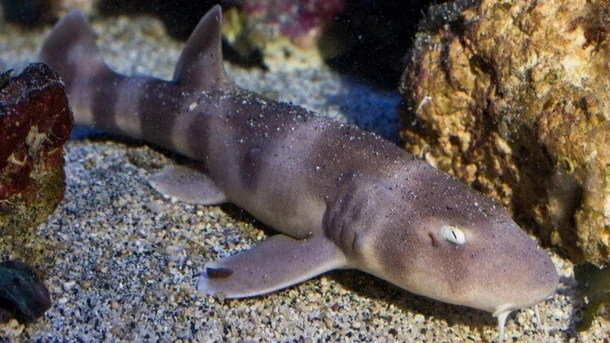
Bamboo sharks represent one of the most thrilling yet manageable additions you can make to a large home aquarium. These docile bottom-dwellers bring incredible wow factor to any setup, and understanding their dietary needs is essential for keeping them healthy. Let’s explore what fuels these fascinating creatures and why their feeding habits make them surprisingly practical aquarium residents.
The Natural Diet: Ocean Floor Hunters
In their native Indo-Pacific waters, bamboo sharks (Chiloscyllium species) are skilled nocturnal predators that patrol sandy bottoms and coral rubble zones. Their natural diet consists primarily of small invertebrates and fish that inhabit these substrate areas.
Wild bamboo sharks feast on crustaceans like crabs, shrimp, and lobsters. Their powerful jaws can crush through shells with ease. They also consume mollusks including small clams, snails, and occasionally squid. Small bottom-dwelling fish, worms, and sea urchins round out their diverse menu.
What makes bamboo sharks particularly interesting is their hunting method. Unlike active predators that chase prey, bamboo sharks use their highly developed sense of smell and electroreception to locate food buried in substrate. They’ll dig through sand with their snouts, creating small craters as they search. This behavior is captivating to watch in a home aquarium.
Aquarium Feeding: Easier Than You Think
Here’s the great news for prospective bamboo shark keepers: these animals adapt remarkably well to prepared foods. At Dr. Reef’s Quarantined Fish, we’ve already trained your bamboo shark to accept a variety of meaty foods that make feeding straightforward.
The foundation of a captive bamboo shark’s diet should be high-quality frozen seafood. Raw shrimp (heads, tails, and shells removed) makes an excellent staple. Scallops, squid, clams, and chunks of marine fish like silversides provide variety. Many keepers also offer frozen krill and fish fillets.
Feeding frequency depends on the shark’s size and age. Juveniles grow rapidly and should be fed daily, while adults typically eat 3-4 times per week. A good rule is to offer an amount roughly equal to the size of the shark’s head.
The Target Feeding Advantage
One of the best aspects of keeping bamboo sharks is how well they respond to target feeding. Using long feeding tongs, you can hand-deliver food directly to your shark. This ensures your shark gets adequate nutrition even in tanks with competitive feeders.
Most bamboo sharks quickly learn to recognize feeding time and will swim to their keeper. This intelligence makes them engaging pets, and the bond you develop through feeding sessions is genuinely rewarding.
Nutritional Variety: The Key to Success
Bamboo sharks benefit from dietary diversity. Rotating between different protein sources prevents nutritional deficiencies. Some aquarists supplement their shark’s diet with vitamin-enriched foods or marine vitamin powders.
Avoid feeding your bamboo shark freshwater fish or fatty meats like beef. Stick to marine-based proteins that mirror their natural diet. Also skip live feeder fish, which can introduce parasites and provide poor nutrition.
The Cleanliness Factor
Bamboo sharks are surprisingly clean eaters for predators. They rarely create feeding frenzies that some fish species do. Instead, they methodically consume their meals with minimal waste. Any uneaten food should be removed within a few hours to maintain water quality.
Why Bamboo Sharks Make Sense
Bamboo sharks combine impressive appearance with manageable care requirements. Their straightforward diet of readily available frozen foods, coupled with their calm demeanor and reasonable adult size (30-40 inches), makes them accessible to dedicated aquarists with appropriate tank space (180+ gallons).
At Dr. Reef’s Quarantined Fish, your bamboo shark arrives healthy, feeding consistently, and ready to become the centerpiece of your aquarium.