
What Do Longnose Hawkfish Eat in the Wild?

What Do Longnose Hawkfish Eat in the Wild? The Patient Predator’s Menu
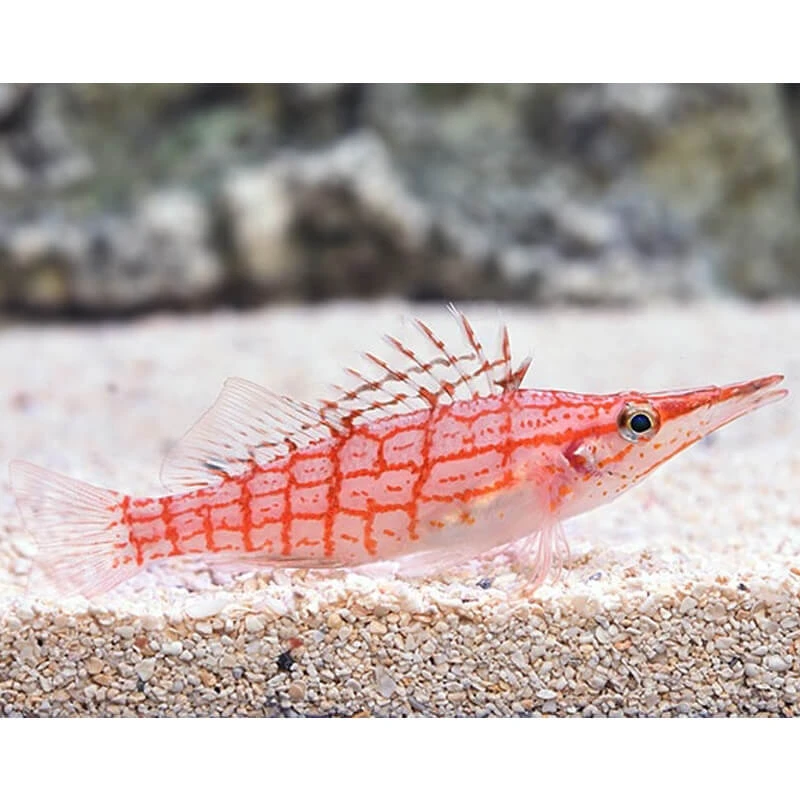
The longnose hawkfish (Oxycirrhites typus) is one of the reef’s most captivating hunters, and understanding their wild diet reveals why these fish make such fascinating aquarium residents. In their natural Indo-Pacific habitat, these distinctive red-and-white checkered fish have perfected a hunting strategy that’s equal parts patience and precision.
The Ambush Artist: How They Hunt
In the wild, longnose hawkfish are carnivorous specialists with a hunting technique that’s mesmerizing to observe. They perch motionless on branching corals, particularly favoring gorgonians and black coral colonies, their elongated snouts pointed downward like precision instruments. They’re scanning the water column with laser focus, waiting for the perfect moment to strike.
When suitable prey drifts within range, the hawkfish explodes into action with startling speed. That long, tubular snout allows them to pluck tiny prey from coral branches with surgical accuracy. The strike happens so quickly that prey rarely reacts. One moment the hawkfish is a statue; the next, it’s crunching down on an unfortunate crustacean.
The Wild Diet: Small Prey, Big Appetite
Longnose hawkfish in their natural habitat feed primarily on small crustaceans that drift past their perches or crawl among coral branches. Their menu includes copepods, amphipods, mysid shrimp, and small crabs. These protein-rich morsels fuel their metabolism and maintain their vibrant coloration.
The diet doesn’t stop at crustaceans. Longnose hawkfish are opportunistic feeders who readily consume small fish fry. Juvenile damselfish and chromis that venture too close become quick snacks.
They also feed on zooplankton during peak drift periods, particularly at dusk. The hawkfish will temporarily abandon their perches to make quick strikes into plankton-rich currents. This combination of ambush hunting and active feeding keeps them well-nourished.
The Feeding Schedule: Patience Meets Opportunity
In the wild, longnose hawkfish don’t follow rigid feeding schedules. They’re patient opportunists who may wait hours between meals, then suddenly feed multiple times within minutes if prey is abundant. This feast-or-famine approach is common among ambush predators.
Their metabolism is geared for this irregular pattern. Unlike constant grazers, longnose hawkfish can go extended periods between meals without stress. When food is plentiful, they’ll gorge themselves, storing energy for leaner times.
What This Means for Aquarium Success
Understanding the wild diet of longnose hawkfish is crucial for their long-term health. At Dr. Reef’s Quarantined Fish, we’ve already transitioned your hawkfish to accept prepared foods that mirror their natural prey. Our specimens eagerly consume frozen mysis shrimp, enriched brine shrimp, and carnivore pellets.
The key to thriving hawkfish is variety. Rotating between different frozen foods (mysis, brine shrimp, krill, cyclops) provides the diverse nutrition they’d get from hunting different prey types on the reef.
The Predatory Advantage
The longnose hawkfish’s carnivorous nature makes them incredibly rewarding aquarium residents. They bring genuine hunting behavior to your reef, perching alertly on rocks and corals just as they would in the wild. Watching them lock onto food during feeding time, their eyes tracking movement before the lightning-quick strike, never gets old.
Their wild diet also means they’re naturally hardy and adaptable. Unlike finicky herbivores requiring specific algae types, longnose hawkfish readily accept various meaty foods. This flexibility, combined with their bold personality and stunning appearance, makes them standout additions to reef communities.
The Bottom Line
Longnose hawkfish are specialized predators fine-tuned by evolution to catch small, mobile prey. This hunting prowess translates beautifully to aquarium life, where their feeding response and interactive behavior make every mealtime entertaining. Feed them well with varied meaty foods, and they’ll reward you with the same alert, predatory presence that makes them reef celebrities in the wild.