
What Do Tailspot Blennies Eat?

What Do Tailspot Blennies Eat? Complete Feeding Guide for This Reef Gem
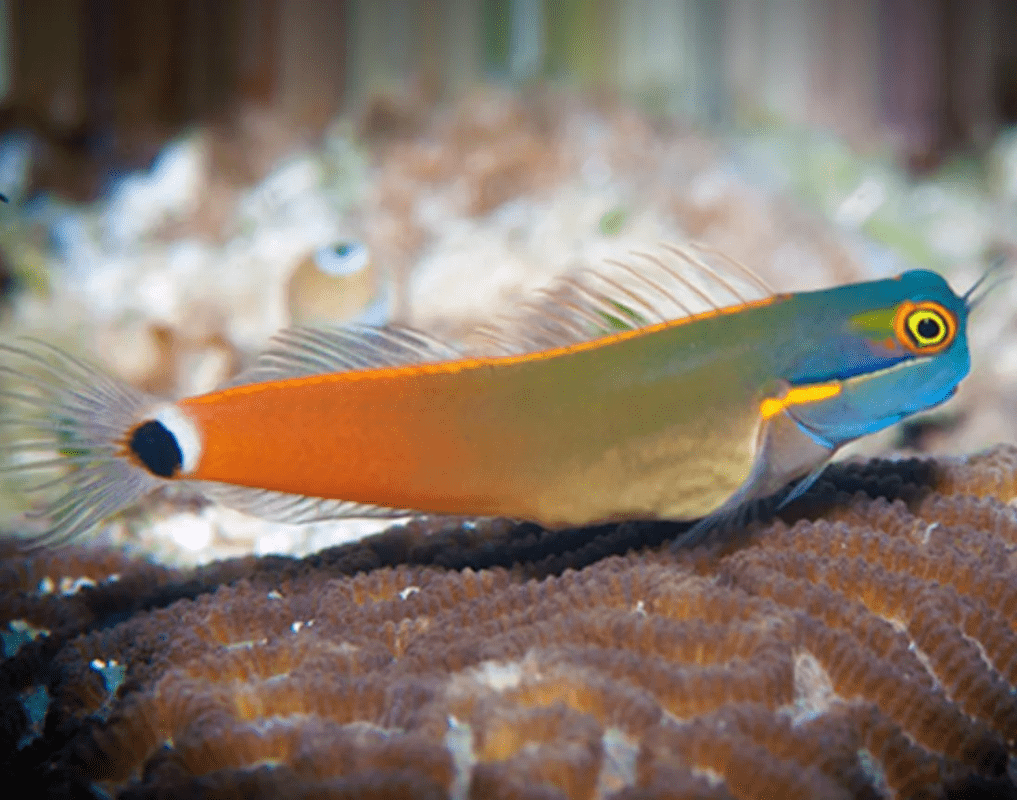
The tailspot blenny (Ecsenius stigmatura) is one of those perfect reef fish that checks every box. Compact size? Check. Peaceful temperament? Absolutely. Helpful algae control? You bet. Entertaining personality? Without question. But here’s the feeding question that stumps many new owners: what exactly do these charming little blennies need to thrive?
Understanding their dietary needs is simpler than you might think, and getting it right means years of enjoyment from one of the reef’s most endearing characters.
Nature’s Grazer: Their Wild Diet
In their natural coral reef habitat, tailspot blennies are primarily herbivorous grazers with opportunistic tendencies. They spend their days perched on rockwork, darting out to nibble various types of filamentous algae, diatoms, and microalgae growing on live rock surfaces. This constant grazing behavior serves double duty: keeping them well-fed while helping control nuisance algae in their territory.
Occasionally, they’ll supplement their plant-based diet with tiny zooplankton, copepods, and other microscopic crustaceans drifting past their perches. Think of them as mostly vegetarian with occasional protein snacks.
Feeding Your Tailspot Blenny in Captivity
The beauty of tailspot blennies is their adaptability. These eager eaters readily accept aquarium foods, making them genuinely beginner-friendly once you understand their preferences.
The Algae Foundation
Marine algae should form the cornerstone of your tailspot blenny’s diet. Offer dried nori (seaweed sheets) clipped to the aquarium glass 3 to 4 times weekly. Most tailspot blennies eagerly graze on nori throughout the day, exhibiting their natural browsing behavior.
If your aquarium has established live rock with natural algae growth, your blenny will constantly pick at it between feedings. This natural foraging provides both nutrition and mental enrichment, keeping your blenny active and engaged.
Quality Herbivore Preparations
High-quality herbivore pellets and flakes designed for algae-eating fish work excellently. Look for spirulina-based formulations with added vitamins. These convenient foods ensure balanced nutrition even when natural algae growth is limited.
Many tailspot blennies also accept algae wafers, though smaller pieces work better for their compact mouths.
Protein Supplements
While primarily herbivorous, tailspot blennies benefit from occasional protein. Offer small portions of frozen mysis shrimp, brine shrimp, or finely chopped krill 2 to 3 times weekly. This mirrors the incidental protein they consume in the wild and supports overall health.
Fresh Vegetable Options
Some tailspot blennies readily accept blanched vegetables like romaine lettuce or spinach. While not essential, these add variety and enrichment to their diet.
Feeding Schedule and Behavior
Feed your tailspot blenny 2 to 3 times daily in small portions. Keep nori available throughout the day for natural grazing behavior. Their small size and active metabolism mean they do better with multiple small meals rather than one large feeding.
Watch your blenny’s feeding behavior closely during the first weeks. Most are bold eaters that compete successfully for food, but occasionally shy individuals need extra attention to ensure they’re getting adequate nutrition.
The Critical Acclimation Period
Here’s something many new tailspot blenny owners don’t realize: these fish can be initially shy and stressed when first introduced to new aquariums. Newly imported specimens sometimes refuse food for several days while adjusting, a concerning situation that leads to weight loss and compromised health.
This acclimation challenge is where most problems occur, and it’s completely avoidable.
Starting Strong: The Quarantine Advantage
The difference between a tailspot blenny that thrives immediately versus one that struggles often comes down to a single factor: was it professionally quarantined before arriving at your home?
Why Quarantine Changes Everything
Professionally quarantined tailspot blennies have already navigated the stressful transition from ocean to captivity. They’re confidently eating varied aquarium foods, free from parasites, and displaying the bold, curious behavior that makes this species so enjoyable.
The Dr. Reef’s Difference
Dr. Reef’s Quarantined Fish provides tailspot blennies that have completed comprehensive quarantine protocols spanning 4 to 6 weeks minimum. During this critical period, every fish receives:
- Professional health screening and observation
- Treatment targeting external parasites (chloroquine phosphate or copper)
- Internal parasite elimination using praziquantel and metronidazole
- Medicated food containing fenbendazole for stubborn parasites
- Twice-daily feeding with quality frozen foods and herbivore preparations
- Gradual acclimation to varied diet including nori, pellets, and frozen foods
When your tailspot blenny arrives from Dr. Reef’s, it’s not a stressed, newly imported fish hiding and refusing food. It’s a confident, actively feeding specimen ready to immediately begin grazing your rockwork and accepting your feeding routine.
You skip the anxious acclimation period entirely. Your blenny starts eating from day one, displays bold personality immediately, and integrates seamlessly into your reef community. You also protect your existing tank inhabitants from potential parasite introduction.
Set Yourself Up for Success
Tailspot blennies are wonderful reef additions with straightforward dietary needs: quality marine algae as their foundation, supplemented with herbivore preparations and occasional protein. Their helpful algae-grazing behavior and entertaining personalities make them favorites among experienced reef keepers.
Start with a healthy, quarantined specimen already thriving on varied foods, and you’ll enjoy years of algae control and entertainment from one of the reef’s most charming small fish. Sometimes the smartest investments are the ones that simply work from day one.