
How Big Is a Blacktip Reef Shark?

How Big Is a Blacktip Reef Shark? Everything You Need to Know
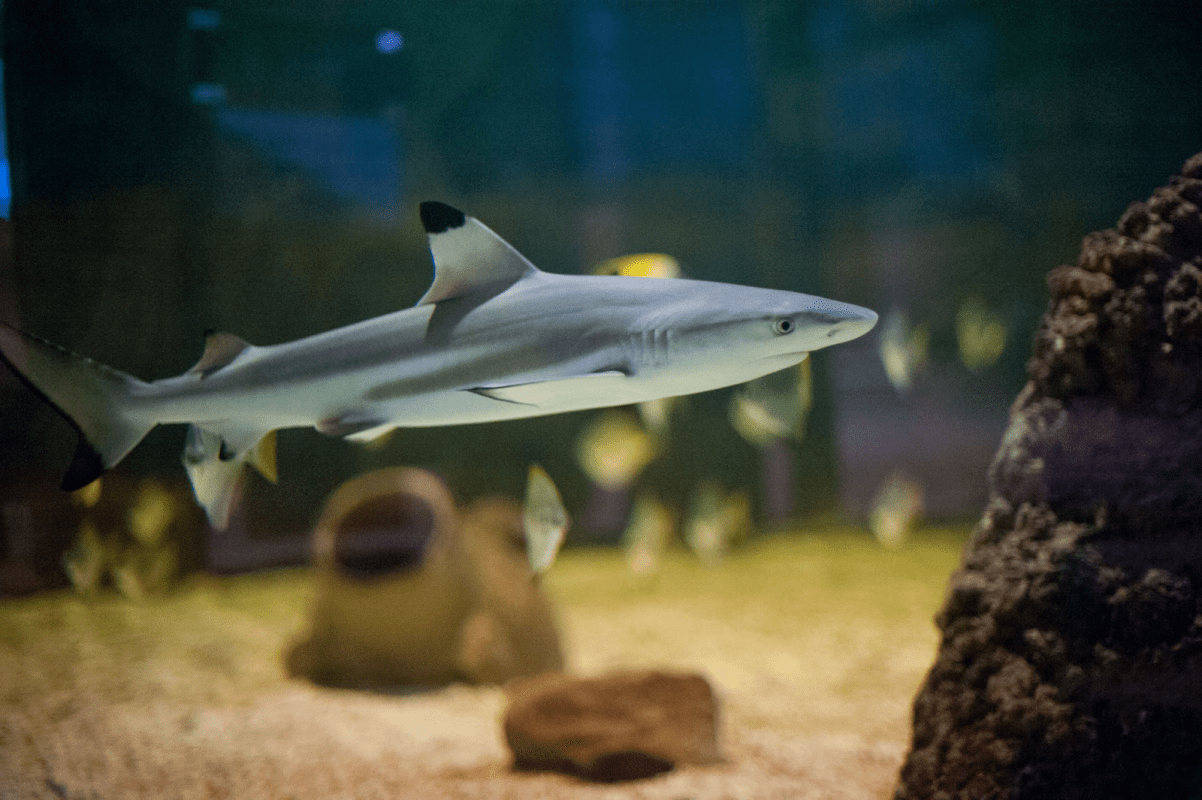
If you’ve ever snorkeled around a coral reef and spotted a sleek shark gliding through the shallows with distinctive black-tipped fins cutting through the water, you’ve probably encountered one of the ocean’s most recognizable residents, the blacktip reef shark. But just how big do these fascinating predators get?
Let’s dive into the world of blacktip reef sharks and answer all your burning questions about their size, growth, and what makes them such unique members of the reef community.
Breaking Down the Size by Gender
Like many shark species, blacktip reef sharks show some interesting differences between males and females when it comes to size.
Males:
- Reach sexual maturity at 3-3.25 feet (91-100 cm)
- Can grow up to 5.9 feet (1.8 m) maximum
- Typically mature faster than females
Females:
- Mature at slightly larger sizes: 3.15-3.7 feet (96-112 cm)
- Usually maxes out around 4.3 feet (1.3 m)
- Tend to be the larger of the two sexes in most populations
- The maximum recorded size for this species is about 6.6 feet (200 cm), with a maximum weight of around 30 pounds (13.6 kg).
How Blacktip Reef Sharks Grow
Baby blacktip reef sharks, called pups, start their lives already equipped for survival. When they’re born, they measure a respectable 13-20 inches (33-52 cm).
Early Years (0-2 years): Growth happens fast. Juvenile blacktip reef sharks can pack on about 9 inches (23 cm) per year during their first couple of years. That’s like growing from the size of a loaf of bread to the length of a guitar in just one year!
Adolescence and Beyond: As they get older, the growth rate slows down considerably to about 2 inches (5 cm) per year. This slower pace continues through their teenage years and into adulthood.
Sexual Maturity: Males typically reach maturity around 4 years old, while females take a bit longer at 7-8 years. By this time, they’ve reached their “adult” size and are ready to contribute to the next generation of reef sharks.
Geographic Variations in Size
Interestingly, blacktip reef sharks don’t grow to the same size everywhere. Scientists have noticed some geographic variations.
Indian Ocean and Northern Australia: Newborn pups tend to be on the larger side, measuring 16-20 inches (40-50 cm) at birth
Pacific Islands: Pups can be as small as 13 inches (33 cm) at birth
Different Maturation Sizes: Sharks off northern Australia mature at slightly smaller sizes (37-38 inches) compared to those off Aldabra (41-43 inches)
It’s nature’s way of optimizing each population for its specific habitat.
Blacktip Reef Sharks in Aquariums
At Dr. Reef’s Quarantined Fish, we understand the importance of providing our marine enthusiasts with healthy, well-quarantined specimens. While blacktip reef sharks are sometimes kept in larger home aquariums by advanced hobbyists, they require very specific conditions.
Why Size Matters for Aquarium Care: Even though blacktip reef sharks are “small” for sharks, they’re still active, fast-swimming predators that need significant space. A 5-foot shark in a small tank is like keeping a marathon runner in a closet.
That’s why at Dr. Reef’s Quarantined Fish, we focus on providing quarantined fish that are appropriate for home reef aquariums. Our rigorous quarantine protocols ensure that whatever marine life you bring home is healthy, disease-free, and suitable for your setup.
The Bottom Line
So, how big is a blacktip reef shark? Most adults range from 3 to 5 feet in length, with exceptional individuals reaching up to 6.6 feet. They’re perfectly sized for life on tropical coral reefs, where they can navigate shallow waters, hunt efficiently, and thrive in environments that larger sharks can’t access.
Understanding the size and growth of blacktip reef sharks gives us a greater appreciation for these important members of the reef ecosystem.
At Dr. Reef’s Quarantined Fish, we’re committed to promoting healthy marine environments and providing properly quarantined fish and corals to hobbyists. All carefully monitored to ensure they arrive healthy and ready to thrive in your home reef.