
What Do Sailfin Tangs Eat?

What Do Sailfin Tangs Eat? The Complete Nutrition Guide
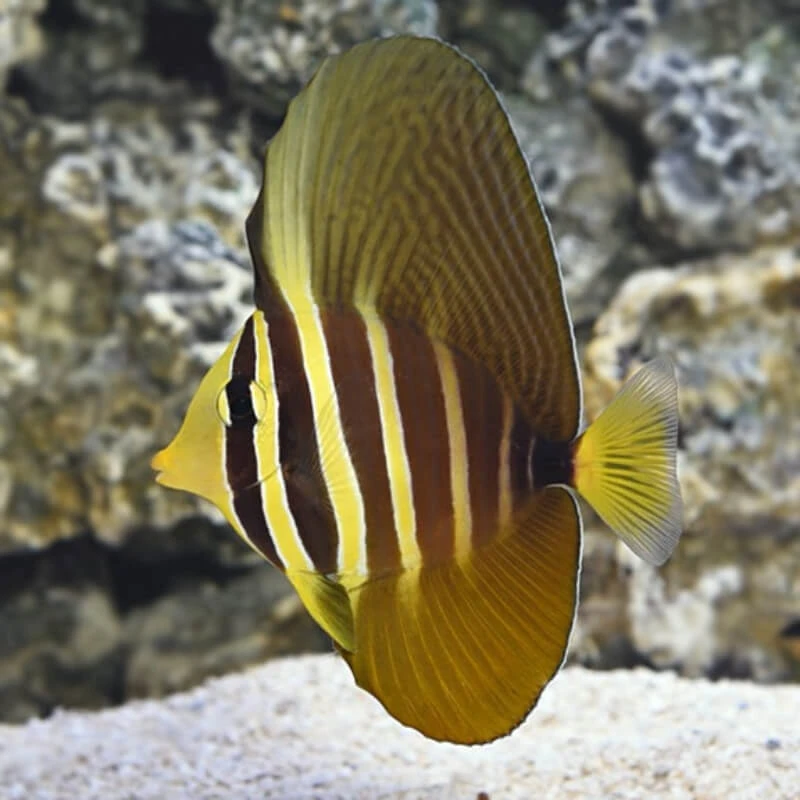
The sailfin tang (Zebrasoma velifer) is a stunning showpiece fish that commands attention in any marine aquarium. With their dramatically flowing dorsal and anal fins, bold striping patterns, and graceful swimming style, these tangs are truly breathtaking. But here’s the secret to keeping that magnificent sail-like fin healthy and vibrant: proper nutrition.
Let’s dive into exactly what sailfin tangs need to thrive.
Nature’s Menu: What They Eat in the Wild
In their natural coral reef habitat, sailfin tangs are primarily herbivores with a mission: grazing. These fish spend their days methodically browsing across rocks and coral rubble, consuming various types of marine algae. Their natural diet consists mainly of filamentous algae, macroalgae, and detritus containing vegetable matter.
Unlike some fish that hunt or scavenge opportunistically, sailfin tangs are dedicated grazers. They nibble constantly throughout the day, maintaining the algae balance on the reef while fueling their active lifestyles and supporting that impressive fin development.
Feeding Your Sailfin Tang in Captivity
The key to sailfin tang nutrition is simple: think green, think variety, think frequent.
Algae: The Foundation
Marine algae should form the cornerstone of your sailfin tang’s diet. Nori (dried seaweed sheets) is the most popular and convenient option. Use a veggie clip to secure nori sheets to the aquarium glass, allowing your tang to graze naturally throughout the day. Many experienced hobbyists offer fresh nori daily or even twice daily.
Other excellent algae options include:
- Dried kelp
- Spirulina sheets
- Fresh macroalgae like Gracilaria or Chaetomorpha (if you maintain a refugium)
Prepared Herbivore Foods
High-quality herbivore pellets and flakes designed specifically for tangs provide balanced nutrition with added vitamins. Look for formulations rich in spirulina, chlorella, and other algae-based ingredients. Soak pellets briefly before feeding to improve digestibility and prevent bloating.
Supplemental Foods
While primarily herbivorous, sailfin tangs benefit from occasional protein supplements. Offer mysis shrimp, brine shrimp, or finely chopped seafood once or twice weekly. This mirrors the small invertebrates they might incidentally consume while grazing in the wild.
Fresh Vegetables
Some sailfin tangs readily accept blanched vegetables like romaine lettuce, spinach, or zucchini. While not essential, these can add variety and enrichment to their diet.
Feeding Schedule: Little and Often
Sailfin tangs have fast metabolisms and are designed to graze continuously. Rather than one large feeding, offer food multiple times daily. Keep nori available throughout the day, supplemented with 2-3 feedings of quality pellets or flakes.
Consistent access to plant matter prevents nutritional deficiencies and keeps your tang’s digestive system functioning optimally. It also reduces territorial aggression, as well-fed tangs are generally more peaceful.
The Critical Role of Vitamin Supplementation
Here’s something many hobbyists miss: sailfin tangs are particularly susceptible to head and lateral line erosion (HLLE), a condition often linked to nutritional deficiencies, especially lack of vitamins A and C. High-quality foods supplemented with marine vitamins help prevent this disfiguring condition.
Consider soaking nori and pellets in vitamin supplements designed for marine herbivores. This simple step can make the difference between a merely surviving tang and a truly thriving specimen.
Starting Strong: The Quarantine Advantage
Even with perfect nutrition planned, your success begins with the fish you choose. A sailfin tang that’s stressed, diseased, or refusing food will struggle regardless of how well you’ve prepared.
Why Quarantined Matters
Professionally quarantined sailfin tangs arrive at your home already acclimated to aquarium foods, actively eating a variety of preparations, and free from common parasites like marine ich. They’ve been carefully observed during the critical adjustment period when many wild-caught fish struggle or fail.
The Dr. Reef’s Difference
Dr. Reef’s Quarantined Fish specializes in sailfin tangs that have completed rigorous health protocols. Their specimens don’t just survive quarantine; they thrive through it. By the time a sailfin tang leaves their facility, it’s eagerly consuming nori, accepting quality pellets, and displaying robust health and vibrant coloration.
When you receive a quarantined sailfin tang, you’re not gambling on whether it will adapt to captive feeding. You’re welcoming a proven, healthy fish ready to flourish in your carefully maintained reef system. You also protect your existing tank inhabitants from introducing parasites or disease.
For detailed information about their comprehensive quarantine process and available sailfin tangs, visit https://drreefsquarantinedfish.com/.
Creating the Ideal Environment
Beyond nutrition, sailfin tangs need space. These are large, active fish requiring minimum 125-gallon tanks with plenty of swimming room. Provide ample live rock with natural algae growth for grazing between feedings. Excellent water quality with strong filtration supports their health and vibrant coloration.
Set Yourself Up for Success
Sailfin tangs are magnificent fish that reward proper care with years of beauty and grace. Their nutritional needs are straightforward but non-negotiable: consistent access to quality marine algae, vitamin-enriched foods, and occasional protein supplements.
Start with a healthy, quarantined specimen already trained to accept varied foods, and you’ll skip the stressful acclimation period entirely. Combine that foundation with consistent, quality nutrition, and you’ll enjoy watching your sailfin tang display those dramatic fins in all their glory for many years to come.