
How Big Do Blue Hippo Tangs Get

How Big Do Blue Hippo Tangs Get? Everything You Need to Know
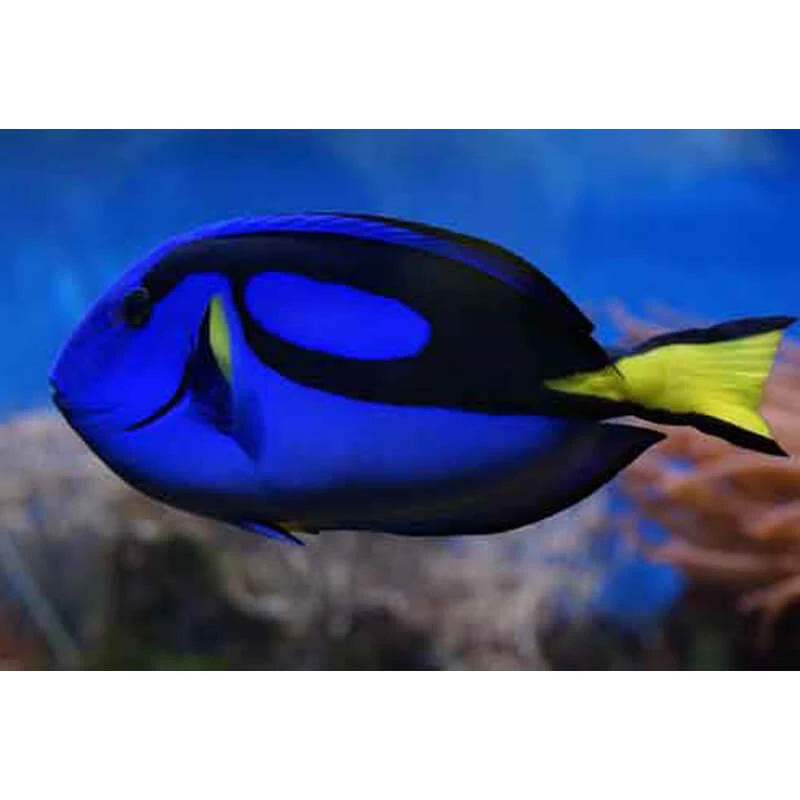
The blue hippo tang (Paracanthurus hepatus) is one of the most sought-after fish in the marine aquarium hobby, and for good reason. With their stunning royal blue coloration, yellow tail accents, and constantly active personalities, these fish bring unmatched vibrancy to any reef system. But before you add this spectacular species to your collection, understanding their size requirements is essential for their long-term health and your success as a hobbyist.
Adult Size and Growth Rate
Blue hippo tangs grow into impressive specimens, typically reaching 10 to 12 inches in length when fully mature in home aquariums. In the wild, they occasionally exceed this size on expansive Pacific reefs. What surprises many aquarists is how quickly these fish develop. During their first year, blue hippo tangs often grow to 3 to 4 inches, then continue growing at a steadier pace over the following years until reaching full size around 3 to 5 years of age.
The difference between a thriving tang and a struggling one often comes down to how they start their journey in captivity. Fish that arrive healthy, parasite-free, and properly acclimated will develop vibrant coloration, exhibit natural behaviors, and reach their full genetic potential. This is where professional quarantine makes all the difference.
Tank Size Requirements
Blue hippo tangs are tireless swimmers that patrol every corner of their territory throughout the day. A minimum tank size of 100 gallons is recommended for juvenile tangs, but planning ahead is crucial. As your fish matures toward its adult size, upgrading to 150 gallons or larger becomes necessary. These active fish prioritize horizontal swimming space over tank height, so longer aquariums are ideal.
Here’s a critical fact every tang owner should know: blue hippo tangs are highly susceptible to marine ich (Cryptocaryon irritans) and other parasitic diseases, particularly during the stressful acclimation period. Studies show that up to 90% of disease outbreaks in marine aquariums occur within the first 30 days of introducing new fish. This is precisely why professionally quarantined specimens offer such tremendous value. When your tang arrives after completing a rigorous quarantine protocol, you eliminate the most common cause of failure and heartbreak in the hobby.
Creating the Ideal Environment
Blue hippo tangs thrive in aquariums that mirror their natural Indo-Pacific reef habitat. Successful setups include abundant live rock for grazing on microalgae, multiple caves and overhangs for security, and robust water flow that replicates ocean currents. Despite their size, these fish are generally peaceful community members and coexist well with most tankmates. They may display territorial behavior toward other tang species, but this is easily managed in appropriately sized systems.
Nutrition directly impacts growth rate, coloration, and immune health. Offer a varied diet rich in marine algae, quality spirulina, nori sheets, and occasional high-protein foods like mysis shrimp. Well-nourished tangs develop the deep blue coloration and yellow highlights that make this species so captivating.
Why Starting Right Matters
Blue hippo tangs can live 8 to 20 years in captivity when provided proper care. That’s potentially two decades of enjoyment from a single fish. However, the foundation for this success is laid in the first few weeks.
When you choose a pre-quarantined blue hippo tang, you’re investing in peace of mind. These fish have already navigated the dangerous acclimation period under expert supervision. They’ve been observed for parasites, treated preventatively, and conditioned to accept prepared foods. The result? A fish that adapts quickly to your display tank, shows immediate color and activity, and lets you skip straight to the rewarding part of the hobby.
At Dr. Reef’s Quarantained Fish, every blue hippo tang completes our comprehensive quarantine process before reaching your aquarium. You receive a fish that’s eating vigorously, displaying natural behavior, and ready to become the centerpiece of your reef for years to come. Why risk the alternative when you can start with confidence?