
What Do Diamond Gobies Eat

What Do Diamond Gobies Eat? A Complete Feeding Guide
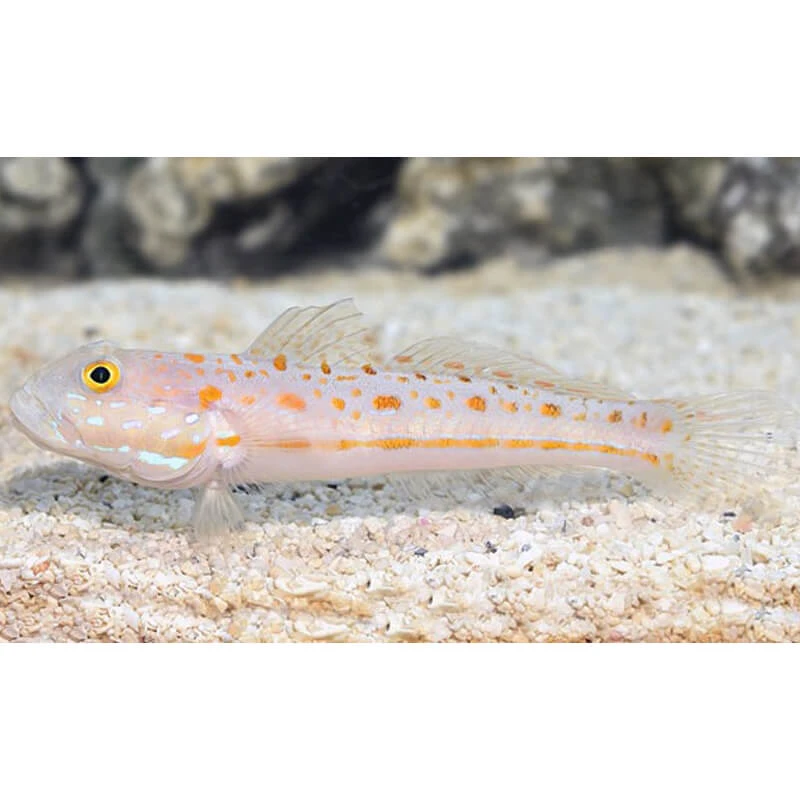
Diamond gobies, scientifically known as Valenciennea puellaris, are highly valued sand-sifting fish that provide essential substrate maintenance in reef aquariums. Often called the orange spotted diamond goby or maiden goby, these peaceful bottom dwellers are prized for their sand-cleaning abilities and attractive appearance. Understanding their dietary requirements is crucial for maintaining these specialized fish in optimal health throughout their potential 3 to 5 year captive lifespan.
Natural Diet and Feeding Behavior
In their natural Indo-Pacific reef habitats, diamond gobies are specialized sand sifters that spend most of their waking hours processing substrate through their mouths. They feed primarily on microscopic organisms, algae, detritus, and small invertebrates found within the sand bed. Their diet consists largely of benthic copepods, amphipods, foraminifera, diatoms, and organic matter settled into the substrate.
These gobies use a distinctive feeding method, taking mouthfuls of sand and filtering edible material through their gill rakers before expelling the cleaned sand through their gill openings. This constant sifting behavior provides both nutrition for the fish and valuable aeration and cleaning of the aquarium substrate.
Appropriate Foods for Captivity
Diamond gobies require supplemental feeding beyond what they obtain from sand sifting, particularly in established aquariums where substrate organisms may be limited. Many diamond gobies perish in captivity due to inadequate supplemental feeding, making proper nutrition critical.
Frozen Foods: Frozen mysis shrimp should form the foundation of supplemental feeding due to its high protein content and palatability. Frozen brine shrimp is readily accepted as well. Finely chopped frozen cyclops, copepods, and other small meaty foods work excellent for these fish with relatively small mouths. The key is offering appropriately sized particles that diamond gobies can easily consume.
Prepared Foods: High-quality sinking pellets and granules designed for carnivorous bottom feeders are important dietary components. Diamond gobies will pick these from the sand surface as they sift. Products containing marine proteins and formulated for sand-sifting species are ideal. Powdered or finely ground foods that settle into the substrate can supplement their natural sifting behavior.
Live Foods: Live blackworms, live brine shrimp, and live copepods are enthusiastically accepted and provide valuable nutrition. Maintaining live copepod populations in the sand bed through regular seeding helps provide continuous natural food sources.
Feeding Frequency and Amount
Diamond gobies require feeding at least twice daily due to their constant activity and the energy demands of their sand-sifting behavior. Because they’re grazing continuously, they benefit from multiple small feedings rather than one or two large meals.
Target feeding near their preferred sifting areas helps ensure diamond gobies receive adequate nutrition, especially in community tanks where more aggressive fish may consume food before it reaches the substrate. Using a feeding tube or turkey baster to place food directly on the sand bed near the goby improves feeding success.
The Challenge of Supplemental Feeding
A common misconception is that diamond gobies can survive solely on organisms found in the sand bed. While they do consume micro-fauna naturally present in substrate, established aquariums rarely contain sufficient quantities to sustain these active fish long-term. Without adequate supplemental feeding, diamond gobies gradually lose weight and condition, eventually starving despite appearing busy sifting sand.
Observing your diamond goby’s body condition is essential. These fish should maintain a rounded belly and robust appearance. Visible thinness, particularly along the lateral line or behind the head, indicates inadequate nutrition requiring immediate dietary intervention.
Nutritional Requirements
As carnivores with specialized feeding adaptations, diamond gobies require protein-rich diets with adequate fats and nutrients. Their nutritional needs include animal proteins, essential fatty acids, vitamins, and minerals found in marine organisms. Insufficient nutrition leads to weakened immune systems, susceptibility to disease, and shortened lifespan.
Dr. Reef’s Pre-Acclimated Specimens
At Dr. Reef’s Quarantined Fish, our diamond gobies undergo comprehensive quarantine where we verify they’re accepting supplemental frozen and prepared foods in addition to their natural sand-sifting behavior. This crucial acclimation ensures the fish are already trained to recognize and consume supplemental feedings before arrival.
Dr. Reef’s quarantine process includes careful monitoring of body condition and feeding response. We verify each diamond goby maintains healthy weight and actively consumes offered foods multiple times daily. This preparation dramatically increases survival rates compared to newly imported specimens that haven’t been trained to accept supplemental feeding.
Indicators of Proper Nutrition
A properly fed diamond goby maintains good body condition with a rounded belly, displays active sand-sifting behavior throughout the day, shows bright coloration, and demonstrates normal gill movement and respiration. Signs of inadequate nutrition include visible thinness, reduced activity, faded coloration, and labored breathing.
Diamond gobies are beneficial and fascinating aquarium inhabitants when provided proper nutrition. Regular supplemental feeding with quality meaty foods, combined with their natural consumption of sand bed organisms, supports their health and allows them to perform their valuable substrate maintenance role. Starting with properly quarantined and feeding-trained specimens from Dr. Reef’s Quarantined Fish ensures your diamond goby arrives ready to thrive from day one.