
What Do Clownfish Eat?

What Do Clownfish Eat? A Complete Guide to Feeding Your Nemo
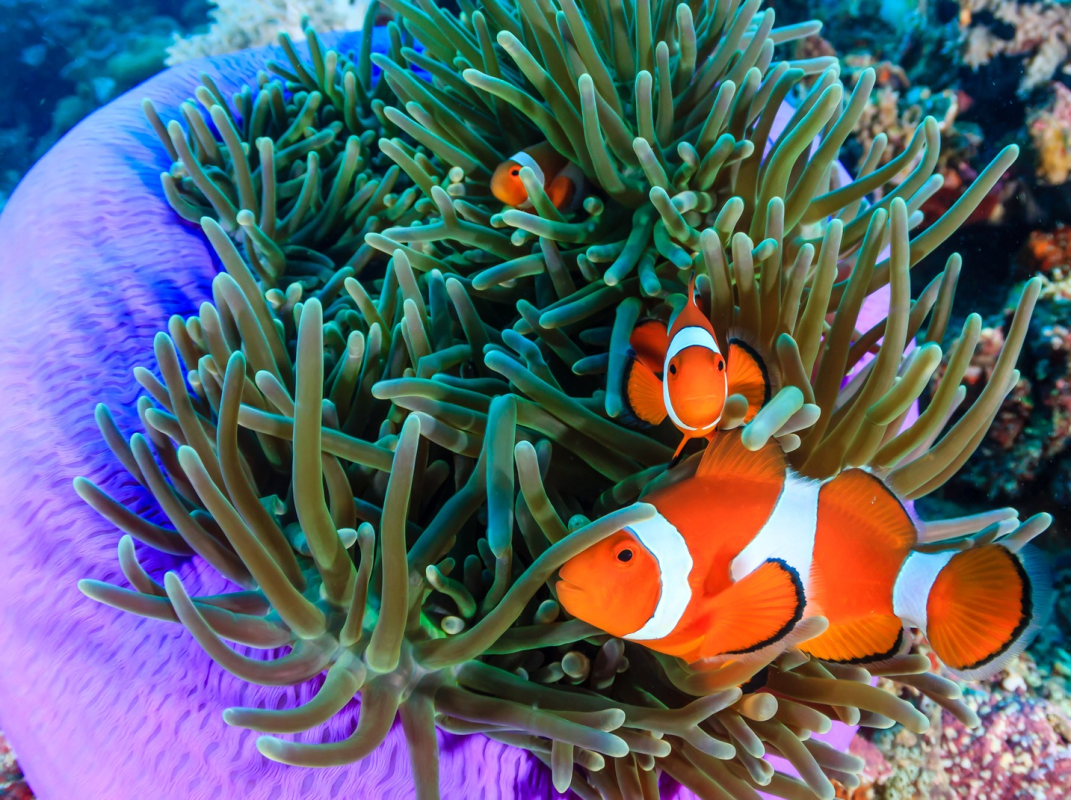
If you watch your clownfish playing cheerfully through your tank, you might wonder what keeps these charismatic little fish so vibrant and full of life. The answer is simpler than you might think. It is probably about understanding their dietary needs. Proper nutrition is the foundation of their health and happiness. Let us dive into knowing about feeding these beloved aquarium stars.
Understanding Clownfish as Omnivores
Clownfish are natural omnivores. They eat both meaty foods and plant matter in the wild. This brings the advantage of dietary flexibility, and for this reason, they’re so hardy and beginner-friendly. Clownfish nibble on zooplankton drifting in the current, catch tiny crustaceans that wander too close to their anemone homes and munch on algae growing nearby.
By replicating this varied diet in your aquarium, you can maintain strong immune systems, brilliant coloration and energetic personalities.
What Foods Should You Feed Your Clownfish?
Clownfish will accept virtually all aquarium foods once established.
High-Quality Pellets and Flakes
These High-Quality Pellets and Flakes provide balanced nutrition and are convenient for daily feeding. These are formulated for omnivorous fish. It contains,
- Color-enhancing formulas that bring out those stunning oranges and maroons
- Spirulina-based options for added nutrition
Frozen Foods (The Gold Standard)
Frozen foods help maintain vibrant coloration and support overall health.
- Premium mysis shrimp – The absolute favorite of most clownfish
- Enriched brine shrimp – Great for variety and conditioning
- Chopped krill – Packed with nutrients
Your clownfish will eagerly anticipate feeding time when you offer these treats!
Plant-Based Foods
Plant matter aids digestion and provides essential vitamins that keep your clownfish healthy.
- Nori sheets (broken into small pieces)
- Marine algae
- Herbivore pellets with plant content
Live Foods
Live foods are optional but beneficial.
- Live brine shrimp or live copepods make excellent occasional treats.
How Often Should You Feed Clownfish?
The feeding schedule matters just as much as what you feed, but here’s where many aquarists get it wrong.
Recommended Feeding Schedule:
- Offer portions they can consume within 2-3 minutes
- 2-3 small meals per day rather than one large feeding
- Remove any uneaten food to maintain water quality
At Dr. Reef’s Quarantined Fish, all our clownfish have been acclimated to accept a variety of prepared foods during their quarantine period. You won’t need to worry about getting them to eat because they’re already trained!
Common Feeding Mistakes to Avoid
Overfeeding
This is the number one mistake. Excess food degrades water quality, leading to algae blooms and stressed fish. Remember: if they can’t finish it in 2-3 minutes, it’s too much.
Lack of Variety
Feeding the same food every day is like eating nothing but cereal for every meal. Rotate between pellets, frozen foods, and plant matter to ensure complete nutrition.
Poor Quality Foods
Not all fish foods are created equal. Cheap, low-quality foods lack essential nutrients and can actually harm long-term health. Invest in premium brands, your clownfish will thank you with vibrant colors and years of active life.
Feeding at Irregular Times
Try to maintain a consistent feeding schedule. Fish thrive on routine, and regular mealtimes reduce stress.
Signs Your Clownfish is Well-Fed
How do you know you’re doing it right? Healthy, well-fed clownfish display:
- Bright, vibrant coloration
- Active swimming and outgoing behavior
- Rounded (but not bloated) belly
- Eager response at feeding time
- Healthy growth rates
- Clear eyes and smooth, intact scales
The Dr. Reef’s Advantage: Pre-Conditioned, Ready to Thrive
One of the biggest challenges new aquarists face is getting fish to accept prepared foods. This is where purchasing from Dr. Reef’s Quarantined Fish makes all the difference. During our comprehensive few weeks quarantine protocol, every clownfish is:
- Health-screened and treated preventatively if needed
- Dietary conditioned to accept all types of prepared foods
- Stress-tested to ensure hardy, resilient specimens
Final Thoughts: The Joy of Feeding Time
By providing a varied, nutritious diet and maintaining a consistent feeding schedule, you’re not just keeping your clownfish alive, you’re helping them truly thrive. Their vibrant colors, playful antics, and long lifespan will be your reward for the care you invest. Because when you start with a healthy fish, everything else becomes easier.
One thought on “What Do Clownfish Eat?”